
Plan Your Boiler Installation Quote in Ashford Before a Breakdown Happens
Planning ahead before your boiler fails can make the entire process far less stressful. It gives homeowners the opportunity to understand likely costs, assess different heating solutions, and arrange installation at a more convenient time. Requesting a boiler installation quote ashford homeowners can rely on before an emergency occurs is not simply about pricing. It…

Why you can trust our content
We understand that the boiler industry can be confusing, with plenty of outdated or misleading information. That’s why we rely only on trusted, proven sources to guide our advice and installations:
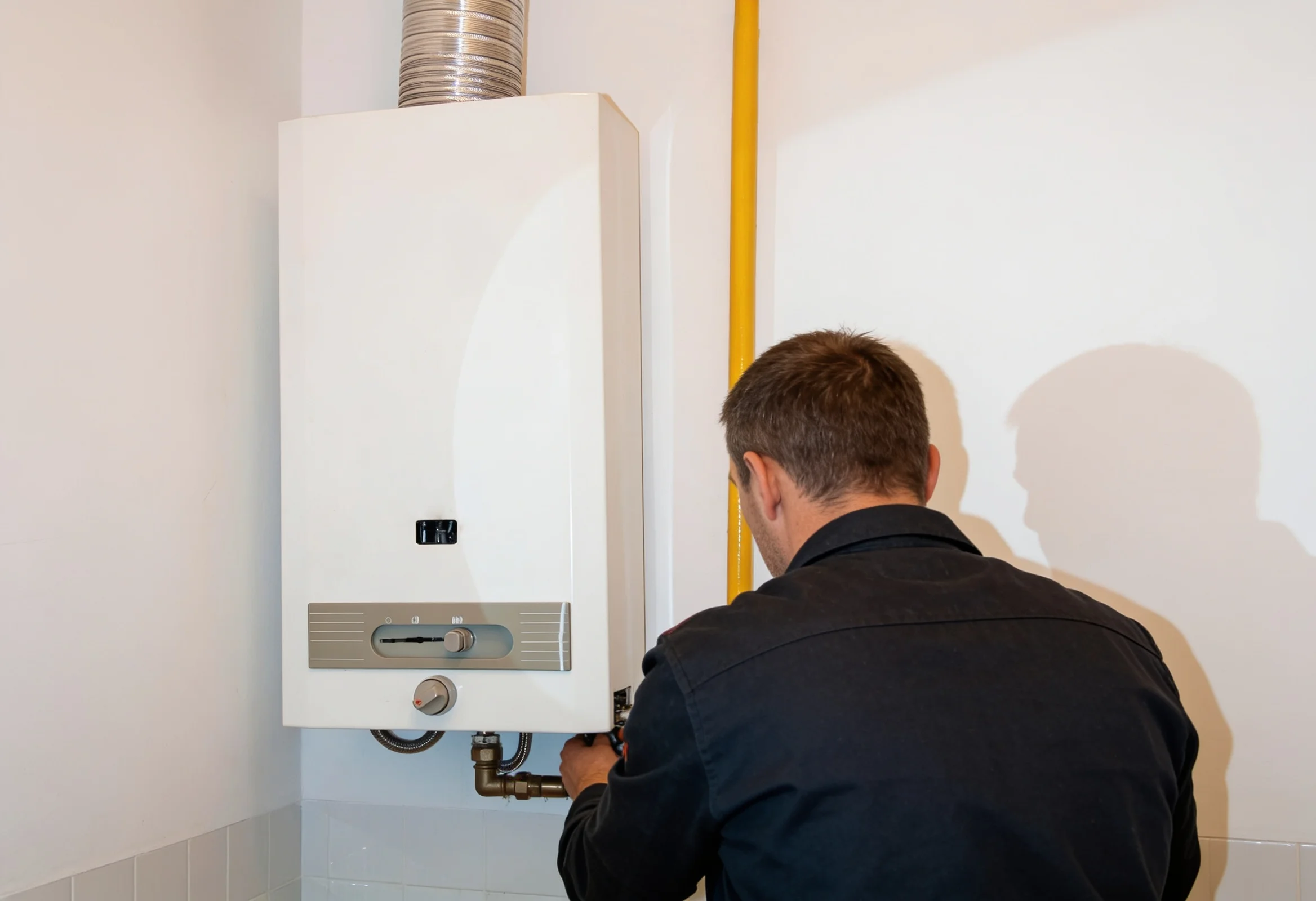
Planning ahead before your boiler fails can make the entire process far less stressful. It gives homeowners the opportunity to understand likely costs, assess different heating solutions, and arrange installation at a more convenient time.
Requesting a boiler installation quote ashford homeowners can rely on before an emergency occurs is not simply about pricing. It is also about understanding the condition of the current heating system and preparing for future reliability.
If your boiler has become unreliable or difficult to maintain, our team can help you explore suitable replacement options before problems escalate.
Why Do Many Boiler Replacements Happen Under Pressure?
Heating systems often deteriorate gradually over time. Homeowners may notice occasional pressure loss, strange noises, or intermittent hot water months before complete failure occurs.
Because the boiler still functions most of the time, replacement discussions are often delayed.
Common reasons homeowners postpone replacement include:
- Repair costs seem manageable initially
- The boiler still works intermittently
- Replacement feels like a major expense
- Uncertainty about available options
- Lack of immediate urgency
Eventually, however, an unexpected breakdown forces urgent decisions about heating and hot water.
Planning ahead reduces the risk of rushed choices and temporary heating disruption during colder periods.
What Should a Boiler Quote Include?
A professional quotation should cover far more than the price of the boiler itself.
A detailed installation quote may include:
|
Quotation Area |
Why It Matters |
|
Boiler model recommendation |
Matches property demand |
|
Labour costs |
Covers installation work |
|
Heating controls |
Improves efficiency |
|
System flushing |
Protects the new boiler |
|
Flue work |
Ensures safe operation |
|
Warranty information |
Provides long-term reassurance |
Without a clear breakdown, homeowners may struggle to compare quotes properly or understand what work is actually included.
Detailed quotations also help identify whether wider heating system improvements may be recommended during installation.
Why Is Early Planning Important?
Planning replacement before a complete breakdown gives homeowners more flexibility and control.
This can help with:
- Comparing boiler types
- Understanding warranty options
- Budgeting more effectively
- Booking convenient installation dates
- Avoiding winter emergencies
- Discussing future heating needs
Emergency replacements are often arranged quickly because heating and hot water are urgently needed. While understandable, this can limit the time available to explore suitable long-term solutions.
Early planning also allows installers to carry out proper surveys rather than rushing assessments during an emergency callout.
Which fuel powers your boiler?
It just takes 2 minutes
And then you can book a free consultation
What Affects the Cost for New Boiler Installation?
The overall cost for new boiler installation depends on several factors linked to both the boiler itself and the wider heating system.
These may include:
- Property size
- Number of bathrooms
- Boiler type
- Pipework condition
- Existing radiator performance
- Heating controls
- Installation complexity
A straightforward replacement where the new boiler matches the current setup is often simpler than changing system type completely.
For example, converting from a regular boiler to a combi arrangement may involve additional pipework and system modifications.
Should Homeowners Replace a Boiler Before It Stops Working?
In many cases, yes.
Repeated breakdowns, rising repair bills, and declining efficiency often indicate that a boiler is approaching the end of its practical lifespan.
Replacing the system before total failure can reduce:
- Emergency repair stress
- Winter heating disruption
- Temporary accommodation concerns
- Limited installer availability
- Urgent decision-making pressure
Homeowners also have more time to research boiler models and understand long-term running costs when replacement is planned rather than reactive.
If your current system is becoming unreliable, speak to our team about arranging a professional heating survey and tailored quotation.
What Happens During a Heating Survey?
Before providing a proper quotation, installers usually assess the property’s heating requirements carefully.
The survey may involve:
- Inspecting the current boiler
- Reviewing radiator condition
- Assessing hot water demand
- Checking water pressure
- Examining flue arrangements
- Evaluating pipework and controls
This helps ensure the recommended boiler is correctly sized for the household rather than simply replacing the old appliance with a similar model.
Incorrect boiler sizing can reduce efficiency and affect long-term reliability.
Could Existing System Problems Affect Installation?
Yes. During surveys, installers sometimes identify wider heating system issues that may also need attention.
Common examples include:
- Sludge within pipework
- Corroded radiators
- Poor circulation
- Faulty valves
- Ageing thermostats
If left unresolved, these issues may affect the performance of the new boiler after installation.
Although additional work can increase upfront costs slightly, it often improves long-term reliability and efficiency.
A properly prepared heating system helps protect the investment homeowners are making in the new appliance.
A Typical Example of Poor Planning
A homeowner experiences several boiler breakdowns during autumn but delays replacement because repairs continue restoring temporary heating.
During winter, the boiler fails completely.
Because heating is urgently needed, installation must be arranged quickly. The homeowner has limited time to compare systems, discuss warranties, or explore efficiency improvements.
During installation, further issues are discovered involving sludge and ageing controls, increasing both labour requirements and project complexity.
Situations like this are common when replacement planning only begins after complete system failure.
Can Modern Boilers Reduce Long-Term Heating Costs?
Modern condensing boilers are generally far more efficient than many older systems still operating in UK homes.
Potential benefits may include:
- Lower energy consumption
- More reliable hot water
- Faster heating response
- Improved temperature control
- Quieter operation
- Reduced likelihood of breakdowns
However, long-term performance also depends on the quality of installation and the condition of the wider heating system.
Good controls, balanced radiators, and clean pipework all contribute to efficient operation.
What Questions Should You Ask Before Accepting a Quote?
Homeowners often feel more confident when they fully understand the installation process beforehand.
Useful questions may include:
- Is the recommended boiler correctly sized?
- Does the system need flushing?
- What warranty is included?
- Are controls being upgraded?
- Will additional work be required?
- How long will installation take?
Clear communication helps reduce misunderstandings and ensures expectations remain realistic from the start.
What Should Homeowners Do Next?
If your boiler has started becoming unreliable, arranging a heating survey before a complete breakdown occurs can help reduce stress and provide more time to consider suitable replacement options.
A professional quotation should explain not only the appliance being recommended but also any wider system improvements that may affect long-term performance and reliability.
The Ashford Boiler Company supports homeowners with tailored heating assessments, professional installation advice, and reliable replacement solutions designed around the needs of the property and household.
To request a tailored quotation or discuss your current heating system, contact The Ashford Boiler Company for professional guidance and support.
Related articles



Which fuel powers your boiler?
At a glance
Planning ahead before your boiler fails can make the entire process far less stressful. It gives homeowners the opportunity to understand likely costs, assess different heating solutions, and arrange installation at a more convenient time.
Requesting a boiler installation quote ashford homeowners can rely on before an emergency occurs is not simply about pricing. It is also about understanding the condition of the current heating system and preparing for future reliability.
If your boiler has become unreliable or difficult to maintain, our team can help you explore suitable replacement options before problems escalate.
Why Do Many Boiler Replacements Happen Under Pressure?
Heating systems often deteriorate gradually over time. Homeowners may notice occasional pressure loss, strange noises, or intermittent hot water months before complete failure occurs.
Because the boiler still functions most of the time, replacement discussions are often delayed.
Common reasons homeowners postpone replacement include:
- Repair costs seem manageable initially
- The boiler still works intermittently
- Replacement feels like a major expense
- Uncertainty about available options
- Lack of immediate urgency
Eventually, however, an unexpected breakdown forces urgent decisions about heating and hot water.
Planning ahead reduces the risk of rushed choices and temporary heating disruption during colder periods.
What Should a Boiler Quote Include?
A professional quotation should cover far more than the price of the boiler itself.
A detailed installation quote may include:
|
Quotation Area |
Why It Matters |
|
Boiler model recommendation |
Matches property demand |
|
Labour costs |
Covers installation work |
|
Heating controls |
Improves efficiency |
|
System flushing |
Protects the new boiler |
|
Flue work |
Ensures safe operation |
|
Warranty information |
Provides long-term reassurance |
Without a clear breakdown, homeowners may struggle to compare quotes properly or understand what work is actually included.
Detailed quotations also help identify whether wider heating system improvements may be recommended during installation.
Why Is Early Planning Important?
Planning replacement before a complete breakdown gives homeowners more flexibility and control.
This can help with:
- Comparing boiler types
- Understanding warranty options
- Budgeting more effectively
- Booking convenient installation dates
- Avoiding winter emergencies
- Discussing future heating needs
Emergency replacements are often arranged quickly because heating and hot water are urgently needed. While understandable, this can limit the time available to explore suitable long-term solutions.
Early planning also allows installers to carry out proper surveys rather than rushing assessments during an emergency callout.
Which fuel powers your boiler?
It just takes 2 minutes
And then you can book a free consultation
What Affects the Cost for New Boiler Installation?
The overall cost for new boiler installation depends on several factors linked to both the boiler itself and the wider heating system.
These may include:
- Property size
- Number of bathrooms
- Boiler type
- Pipework condition
- Existing radiator performance
- Heating controls
- Installation complexity
A straightforward replacement where the new boiler matches the current setup is often simpler than changing system type completely.
For example, converting from a regular boiler to a combi arrangement may involve additional pipework and system modifications.
Should Homeowners Replace a Boiler Before It Stops Working?
In many cases, yes.
Repeated breakdowns, rising repair bills, and declining efficiency often indicate that a boiler is approaching the end of its practical lifespan.
Replacing the system before total failure can reduce:
- Emergency repair stress
- Winter heating disruption
- Temporary accommodation concerns
- Limited installer availability
- Urgent decision-making pressure
Homeowners also have more time to research boiler models and understand long-term running costs when replacement is planned rather than reactive.
If your current system is becoming unreliable, speak to our team about arranging a professional heating survey and tailored quotation.
What Happens During a Heating Survey?
Before providing a proper quotation, installers usually assess the property’s heating requirements carefully.
The survey may involve:
- Inspecting the current boiler
- Reviewing radiator condition
- Assessing hot water demand
- Checking water pressure
- Examining flue arrangements
- Evaluating pipework and controls
This helps ensure the recommended boiler is correctly sized for the household rather than simply replacing the old appliance with a similar model.
Incorrect boiler sizing can reduce efficiency and affect long-term reliability.
Could Existing System Problems Affect Installation?
Yes. During surveys, installers sometimes identify wider heating system issues that may also need attention.
Common examples include:
- Sludge within pipework
- Corroded radiators
- Poor circulation
- Faulty valves
- Ageing thermostats
If left unresolved, these issues may affect the performance of the new boiler after installation.
Although additional work can increase upfront costs slightly, it often improves long-term reliability and efficiency.
A properly prepared heating system helps protect the investment homeowners are making in the new appliance.
A Typical Example of Poor Planning
A homeowner experiences several boiler breakdowns during autumn but delays replacement because repairs continue restoring temporary heating.
During winter, the boiler fails completely.
Because heating is urgently needed, installation must be arranged quickly. The homeowner has limited time to compare systems, discuss warranties, or explore efficiency improvements.
During installation, further issues are discovered involving sludge and ageing controls, increasing both labour requirements and project complexity.
Situations like this are common when replacement planning only begins after complete system failure.
Can Modern Boilers Reduce Long-Term Heating Costs?
Modern condensing boilers are generally far more efficient than many older systems still operating in UK homes.
Potential benefits may include:
- Lower energy consumption
- More reliable hot water
- Faster heating response
- Improved temperature control
- Quieter operation
- Reduced likelihood of breakdowns
However, long-term performance also depends on the quality of installation and the condition of the wider heating system.
Good controls, balanced radiators, and clean pipework all contribute to efficient operation.
What Questions Should You Ask Before Accepting a Quote?
Homeowners often feel more confident when they fully understand the installation process beforehand.
Useful questions may include:
- Is the recommended boiler correctly sized?
- Does the system need flushing?
- What warranty is included?
- Are controls being upgraded?
- Will additional work be required?
- How long will installation take?
Clear communication helps reduce misunderstandings and ensures expectations remain realistic from the start.
What Should Homeowners Do Next?
If your boiler has started becoming unreliable, arranging a heating survey before a complete breakdown occurs can help reduce stress and provide more time to consider suitable replacement options.
A professional quotation should explain not only the appliance being recommended but also any wider system improvements that may affect long-term performance and reliability.
The Ashford Boiler Company supports homeowners with tailored heating assessments, professional installation advice, and reliable replacement solutions designed around the needs of the property and household.
To request a tailored quotation or discuss your current heating system, contact The Ashford Boiler Company for professional guidance and support.