At The Ashford Boiler Company, we provide reliable and efficient commercial hot water and heating services tailored to the needs of businesses and large properties. With experience working in schools, hotels, pubs, offices and commercial units, we understand the importance of a safe, well-maintained and energy-efficient heating system.
Whether you need a full system installation, planned maintenance, or emergency repairs, our qualified engineers deliver prompt, professional service with minimal disruption to your day-to-day operations.
From modern offices to busy hospitality venues, we’re trusted by commercial clients who rely on us to keep their heating systems running smoothly. Our team is fully trained to work in operational environments and carry out work with professionalism, discretion, and a strong focus on health and safety.
We have extensive experience in:
Educational premises – including schools, nurseries and academies
Hospitality venues – such as pubs, hotels, restaurants and guest houses
Offices and retail – ensuring staff and customers remain comfortable year-round
Light industrial and commercial units
Looking for a trusted heating engineer for your commercial premises in Ashford, Canterbury, Maidstone, Folkestone or Rye? Contact The Ashford Boiler Company today to arrange a site visit, discuss your heating needs, or request a free, no-obligation quote.
With over 17 years of experience in the plumbing industry, our engineers have seen it all. From minor repairs to major installations. We have the expertise and knowledge to handle any plumbing or heating job.
Fully Gas Safe Qualified
As Gas Safe and Oftec registered engineers, we ensure all qualifications are renewed regularly to keep up to date with all regulations. For our customers’ peace of mind, our engineers are DBS checked and insured.
Reliable Service
At The Ashford Boiler Company, our mission is to provide reliable, affordable and top-quality plumbing and heating services to our clients. We offer transparent quotes and deliver first-rate customer service to every customer.
Local Friendly Team
The team is based in the Ashford area and we pride ourselves on being approachable and friendly. We want our customers to return to us, year after year, happy with our plumbing and heating services.
With over 17 years of experience in the plumbing industry, our engineers have seen it all. From minor repairs to major installations. We have the expertise and knowledge to handle any plumbing or heating job.
Fully Gas Safe Qualified
As Gas Safe and Oftec registered engineers, we ensure all qualifications are renewed regularly to keep up to date with all regulations. For our customers’ peace of mind, our engineers are DBS checked and insured.
Reliable Service
At The Ashford Boiler Company, our mission is to provide reliable, affordable and top-quality plumbing and heating services to our clients. We offer transparent quotes and deliver first-rate customer service to every customer.
Local Friendly Team
The team is based in the Ashford area and we pride ourselves on being approachable and friendly. We want our customers to return to us, year after year, happy with our plumbing and heating services.
The Ashford Boiler Company Ltd is an Introducer Appointed Representative (Financial Services Register No. 1035314) of Phoenix Financial Consultants Limited (Phoenix). Phoenix is a credit broker, not a lender. Phoenix is authorised and regulated by the Financial Conduct Authority (FRN: 539195), and offers finance from its panel of lenders. All finance subject to status and credit checks.
The Ashford Boiler Company Ltd is an Introducer Appointed Representative (Financial Services Register No. 1035314) of Phoenix Financial Consultants Limited (Phoenix). Phoenix is a credit broker, not a lender. Phoenix is authorised and regulated by the Financial Conduct Authority (FRN: 539195), and offers finance from its panel of lenders. All finance subject to status and credit checks.
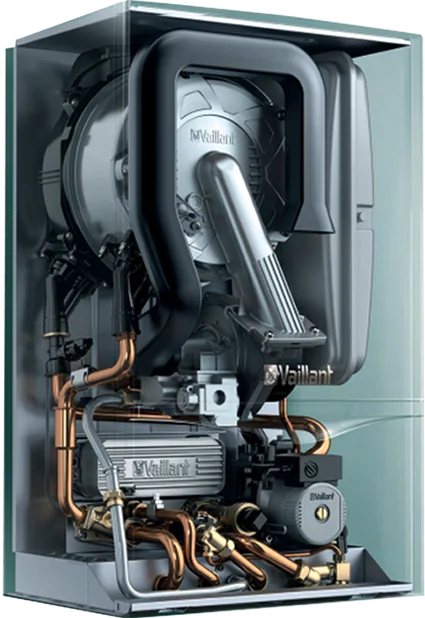
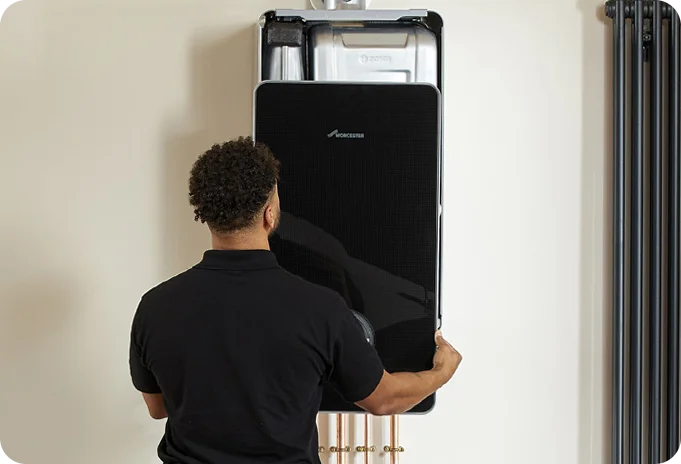
During a boiler installation, a qualified technician assesses your space, removes the old unit, and installs the new boiler, ensuring proper connections and settings for optimal performance and safety.
How much does it cost to install a commercial boiler?
The cost to install a commercial boiler varies based on factors like the size, type, and complexity of the installation, typically ranging from £3,000 to £10,000. For an accurate quote, it's best to consult with The Ashford Boiler Company.
What is a commercial boiler?
A commercial boiler is a large-scale heating system designed to provide hot water or steam for various business applications, such as heating buildings or powering equipment in sectors like hospitality, education, and industry.
How much is a new commercial boiler system?
The cost of a new commercial boiler system varies significantly based on factors such as size, type, and installation complexity. Generally, prices can range from £3,000 to £10,000 or more, depending on specific business needs.
How does a commercial boiler work?
A commercial boiler works by heating water or steam through combustion of fuel, which is then circulated through pipes to provide heating for various business environments. This process ensures efficient temperature control and comfort in commercial spaces.