Frequently Asked Questions
What will an engineer do for a boiler quote?
An engineer will assess your current boiler system, evaluate your heating needs, and provide a detailed quote that includes installation or repair costs, ensuring you receive the best solution tailored to your home in Folkestone.
Can a boiler create carbon monoxide?
Boilers can indeed create carbon monoxide if they are not functioning properly. This dangerous gas is a byproduct of incomplete combustion, making regular maintenance and servicing essential to ensure safe operation.
Who works on boilers?
The professionals who work on boilers are qualified heating engineers and technicians. They are trained to install, repair, and maintain various types of boilers, ensuring safe and efficient operation.
How long does a boiler safety check take?
The duration of a boiler safety check typically ranges from 30 minutes to an hour, depending on the boiler type and its condition. This ensures a thorough inspection for optimal safety and efficiency.
Can a boiler emit carbon monoxide?
Boilers can emit carbon monoxide if they are not functioning properly or are poorly maintained. Regular servicing and checks are essential to ensure safe operation and to prevent any risk of carbon monoxide leaks.
Does a boiler require electricity?
Boilers do require electricity to operate. This power is essential for functions such as ignition, control systems, and, in the case of combi boilers, providing hot water on demand.
What factors influence boiler installation costs?
The factors that influence boiler installation costs include the type of boiler chosen, the complexity of the installation, any necessary modifications to existing plumbing or electrical systems, and local labour rates.
How often should a boiler be serviced?
Boilers should be serviced annually to ensure they operate safely and efficiently. Regular servicing helps prevent breakdowns and extends the lifespan of the boiler, maintaining optimal performance year after year.
What are signs of a faulty boiler?
Signs of a faulty boiler include unusual noises, inconsistent heating, leaks, a pilot light that frequently goes out, and an increase in energy bills. If you notice any of these issues, it’s essential to seek professional assistance promptly.
How can I improve boiler efficiency?
Improving boiler efficiency involves regular maintenance, including annual servicing, bleeding radiators, and ensuring proper insulation. Additionally, consider upgrading to a high-efficiency boiler and using a programmable thermostat to optimise energy use.
What types of boilers are available?
The types of boilers available include gas, oil, and LPG models. Each type offers unique benefits and is suitable for different home heating needs, ensuring efficient and reliable performance for residents in Folkestone.
How do I choose the right boiler?
Choosing the right boiler involves assessing your home's heating needs, fuel type preferences, and budget. Consider efficiency ratings and consult with experts to ensure you select a reliable and suitable option for your requirements.
What is the lifespan of a typical boiler?
The lifespan of a typical boiler is generally between 10 to 15 years, depending on the type, maintenance, and usage. Regular servicing can help extend its life and ensure optimal performance.
What qualifications should a boiler engineer have?
The qualifications a boiler engineer should have include relevant certifications, such as Gas Safe registration for gas boilers, and experience with various boiler types, including oil and LPG systems. Additionally, they should possess strong problem-solving skills and technical knowledge.
How can I prevent boiler breakdowns?
Preventing boiler breakdowns involves regular maintenance, including annual servicing by a qualified technician, timely repairs of any issues, and ensuring proper ventilation. Additionally, checking pressure levels and bleeding radiators can help maintain efficiency and reliability.
What is included in a boiler quote?
A boiler quote includes the cost of the boiler unit, installation fees, any necessary materials, and an overview of the work involved. It may also detail warranties and potential ongoing maintenance options.
How do I know if my boiler is safe?
The safety of your boiler can be determined through regular servicing, checking for warning signs like unusual noises or leaks, and ensuring it has a valid Gas Safe certificate. Always consult a qualified technician for thorough inspections.
What maintenance does a boiler require?
Regular boiler maintenance requires annual servicing, which includes checking for leaks, cleaning components, and ensuring safe operation. Additionally, homeowners should regularly bleed radiators and check pressure levels to maintain efficiency and safety.
How can I tell if my boiler is leaking?
You can tell if your boiler is leaking by checking for visible water pooling around the unit, damp patches on walls or ceilings, or noticing a drop in pressure on the boiler's pressure gauge.
What should I do if my boiler fails?
If your boiler fails, the first step is to turn it off and ensure your safety. Then, contact a qualified heating engineer, like The Ashford Boiler Company, to diagnose and resolve the issue promptly.
How does a boiler heating system work?
A boiler heating system works by heating water using gas, oil, or electricity, which is then circulated through pipes to radiators or underfloor heating. This process provides warmth to your home, ensuring comfort during colder months.
What are the benefits of regular boiler checks?
The benefits of regular boiler checks include enhanced safety, improved efficiency, and prolonged lifespan of the boiler. Routine inspections help identify potential issues early, ensuring reliable heating and reducing the risk of costly repairs.
How can I find a reliable boiler engineer?
Finding a reliable boiler engineer involves researching local service providers, checking their qualifications, reading customer reviews, and ensuring they are registered with relevant trade bodies. The Ashford Boiler Company is a trusted option in Folkestone, offering expert services.
What are common boiler problems to watch for?
Common boiler problems to watch for include unusual noises, leaks, pilot light issues, and inconsistent heating. It's essential to address these signs promptly to ensure safe and efficient boiler operation.
How does boiler size affect heating efficiency?
The size of a boiler significantly impacts heating efficiency. A correctly sized boiler ensures optimal performance, providing adequate heat without excessive energy consumption, while an oversized or undersized unit can lead to energy wastage and inconsistent heating.
What should I expect during a boiler installation?
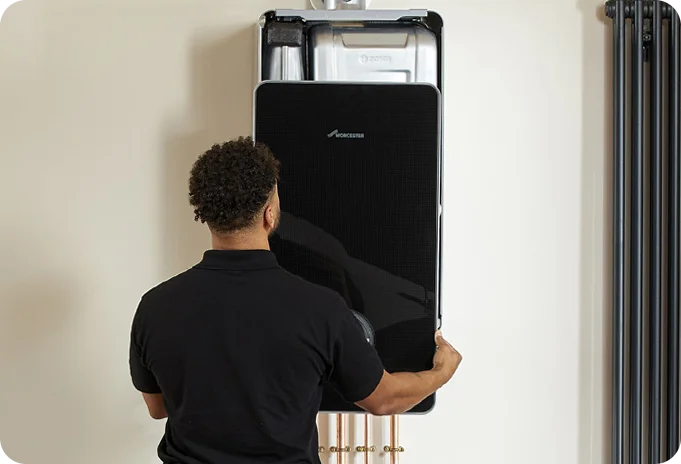
During a boiler installation, you can expect a thorough assessment of your home, the removal of the old boiler, and the careful installation of the new unit. Our qualified technicians will ensure everything is compliant and functioning properly before completing the job.
How can I reduce boiler energy consumption?
Reducing boiler energy consumption can be achieved by regularly servicing your boiler, ensuring optimal settings, and improving home insulation. Additionally, consider upgrading to a more efficient model to enhance energy savings.
What regulations apply to boiler installations?
The regulations that apply to boiler installations include adherence to the Gas Safety (Installation and Use) Regulations, as well as compliance with building regulations that ensure safety and efficiency. It's essential to use qualified professionals for installation.
How do I troubleshoot common boiler issues?
Troubleshooting common boiler issues involves checking the pressure gauge, ensuring the thermostat is set correctly, and inspecting for any error codes on the display. If problems persist, contact a qualified technician for assistance.
What are the risks of a malfunctioning boiler?
The risks of a malfunctioning boiler include carbon monoxide leaks, which can be life-threatening, and increased energy bills due to inefficiency. Additionally, a faulty boiler may lead to water damage or complete system failure, necessitating costly repairs.