Frequently Asked Questions
How does power flush toilet work?
Power flushing a toilet involves using a machine to force water through the system, clearing blockages and improving flow.
How important is a power steering flush?
A power steering flush is crucial for maintaining smooth steering, preventing pump damage, and extending the life of your steering system.
What are the benefits of power flushing?
The benefits of power flushing include improved heating efficiency, reduced energy bills, and a longer lifespan for your boiler and radiators. It also eliminates cold spots and noise from your central heating system.
How often should I power flush?
Power flushing is generally recommended every 3-5 years, or sooner if you notice cold spots or system inefficiency.
What signs indicate a power flush is needed?
Signs that a power flush is needed include cold radiators, noisy pipes, and a slow-heating system. These indicate sludge buildup, hindering your heating's efficiency.
Can power flushing improve heating efficiency?
Yes, power flushing can significantly improve heating efficiency by removing sludge and debris that obstruct water flow, ensuring your system operates at its best.
Is power flushing safe for my system?
Power flushing is safe for your system when performed by qualified professionals like The Ashford Boiler Company. Our expert engineers ensure the process protects your pipes and boiler.
What is the power flushing process like?
The power flushing process involves circulating water and cleaning solutions through your heating system to remove sludge and debris, restoring efficiency.
How long does a power flush take?
A power flush typically takes between 4 to 8 hours to complete, depending on the size and complexity of your heating system.
What equipment is used for power flushing?
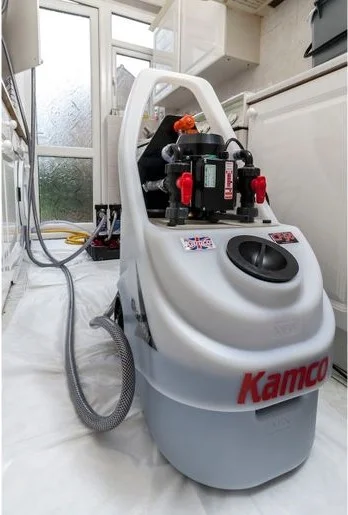
Power flushing involves specialised equipment like a power flush machine, which circulates water and cleaning solutions to remove sludge and debris from your heating system.
Can I perform a power flush myself?
Performing a power flush yourself is not recommended. It requires specialised equipment and expertise to avoid damaging your heating system.
What are the costs associated with power flushing?
The costs associated with power flushing vary depending on system size and complexity. Contact us for a personalised, competitive quote tailored to your specific needs.
How does power flushing affect boiler lifespan?
Power flushing can extend your boiler's lifespan by removing sludge and debris that cause wear and tear, ensuring it operates more efficiently and reliably.
What should I expect after a power flush?
After a power flush, expect improved heating efficiency, faster warm-up times, and a quieter central heating system. Your radiators should heat up more evenly and effectively.
Are there any risks with power flushing?
While power flushing is generally safe, there's a minimal risk of dislodging existing sludge. Our expert engineers take precautions to minimise this, ensuring your system's integrity and efficiency are maintained.
How does power flushing compare to chemical cleaning?
Power flushing uses high water pressure to remove sludge, while chemical cleaning uses solutions. Power flushing is generally more effective for thorough system cleaning.
What types of systems benefit from power flushing?
Central heating systems, especially older ones with sludge and debris, benefit greatly from power flushing to restore efficiency and performance.
How do I know if my system needs flushing?
Your central heating system may need flushing if you experience cold spots, slow heating, or noisy radiators.
What is the difference between power flushing and draining?
Power flushing is a deep clean using high pressure to remove sludge, while draining simply empties the system without cleaning out deposits.
Can power flushing resolve noisy radiators?
Yes, power flushing can resolve noisy radiators by removing sludge and debris that cause blockages and disruptive sounds within your heating system.
How does power flushing help with cold spots?
Power flushing helps with cold spots by removing sludge and debris that block radiators, ensuring even heat distribution throughout your home.
What maintenance follows a power flush?
Following a power flush, regular annual boiler servicing is recommended to maintain optimal heating system efficiency and performance.
How can I find a power flushing service?
You can find a power flushing service by searching for local heating engineers, like The Ashford Boiler Company, who specialise in central heating system maintenance and efficiency.
What qualifications should power flushing technicians have?
Power flushing technicians should be Gas Safe registered and experienced in central heating systems to ensure safe and effective service.
How does power flushing impact energy bills?
Power flushing impacts energy bills by improving heating system efficiency, meaning your boiler works less hard to heat your home, leading to reduced fuel consumption and lower bills.
What is the best time for a power flush?
The best time for a power flush is when you notice cold spots, slow heating, or noisy radiators, ideally before winter or if your system is over five years old.
How does power flushing affect water quality?
Power flushing dramatically improves water quality by removing sludge and debris from your heating system, ensuring cleaner water circulation and optimal performance.
What are common misconceptions about power flushing?
Common misconceptions about power flushing include it being a messy or damaging process. In reality, it's a safe, effective method to restore heating efficiency by removing sludge and debris.
How can I prepare for a power flush?
To prepare for a power flush, ensure all radiators are accessible and valves are working. We'll handle the rest to optimise your system's efficiency.
What should I do if power flushing fails?
If power flushing fails, contact The Ashford Boiler Company immediately. Our expert engineers will diagnose the issue and provide further solutions to restore your heating system's efficiency.