Frequently Asked Questions
Who works on boilers?
The professionals who work on boilers are typically qualified heating engineers or Gas Safe registered engineers. They are trained to install, maintain, and repair various types of boilers to ensure safe and efficient operation.
Where to buy a boiler near me?
To buy a boiler near you, consider visiting local heating suppliers or home improvement stores. Additionally, The Ashford Boiler Company offers professional installation and can guide you on the best options available in your area.
How long does a boiler safety check take?
A boiler safety check typically takes around 30 to 60 minutes. This duration allows our Gas Safe registered engineers to thoroughly inspect your boiler and ensure it operates safely and efficiently.
Where is the boiler in a house?
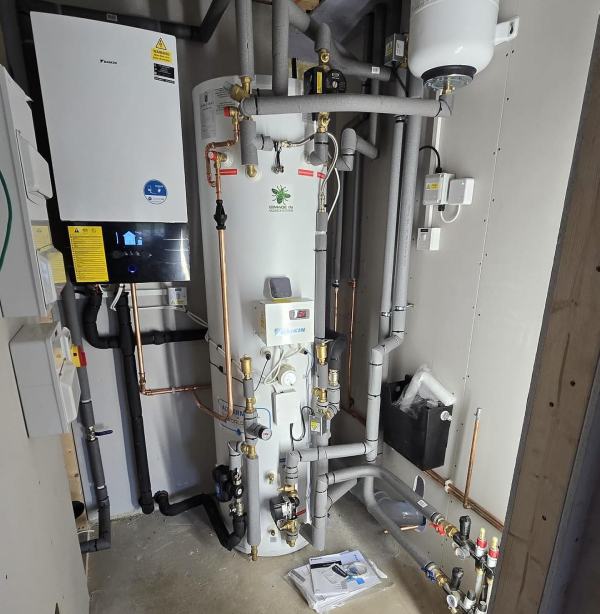
The boiler in a house is typically located in utility rooms, basements, or kitchens, where it can efficiently heat water and provide central heating for the home.
How the boiler works?
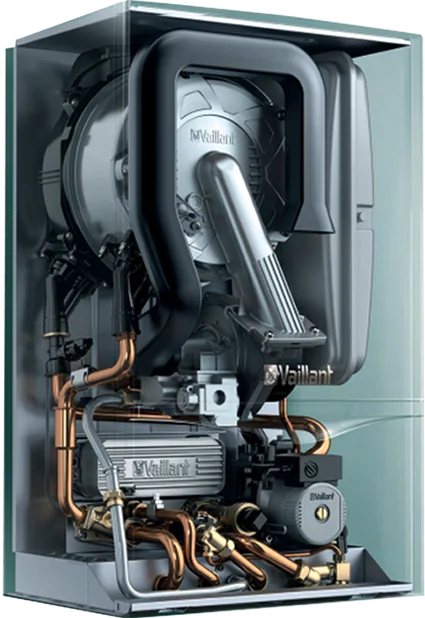
The boiler works by heating water using a fuel source, such as gas or electricity. This heated water is then circulated through pipes to provide hot water for taps and heating systems, ensuring efficient and consistent warmth in your home.
What types of boilers are available?
The types of boilers available include combi boilers, system boilers, and conventional boilers. Each type offers distinct benefits for hot water and heating needs, ensuring efficient solutions for residential settings.
How to choose the right boiler?
Choosing the right boiler involves considering your home's size, hot water needs, and energy efficiency. Assess whether a combi, system, or regular boiler suits your requirements, and consult with a professional for tailored advice.
What is the average boiler lifespan?
The average boiler lifespan is typically between 10 to 15 years. Regular maintenance can extend this duration, ensuring optimal performance and efficiency throughout its operational life.
How often should I service my boiler?
The frequency of servicing your boiler is essential for its efficiency and safety. It is recommended to service your boiler at least once a year to ensure optimal performance and to prevent potential issues.
What are common boiler problems?
Common boiler problems include issues such as insufficient heating, strange noises, leaks, pressure drops, and error codes. Regular maintenance can help prevent these issues and ensure efficient operation.
How to identify a boiler leak?
Identifying a boiler leak involves checking for signs such as water pooling around the boiler, damp patches on walls or ceilings, and unusual noises. Additionally, monitor the pressure gauge for significant drops, which may indicate a leak.
What is a boiler pressure relief valve?
A boiler pressure relief valve is a safety device designed to release excess pressure from the boiler system. It prevents potential damage or explosions by allowing steam or water to escape if the pressure exceeds safe levels.
How to reset a boiler?
Resetting a boiler involves turning off the boiler, waiting for a few minutes, and then pressing the reset button. Ensure to check the manufacturer's instructions, as the process may vary depending on the boiler model.
What are the signs of a faulty boiler?
The signs of a faulty boiler include unusual noises, inconsistent heating, water leaks, and a pilot light that frequently goes out. Additionally, if you notice an increase in energy bills or discoloured water, it may indicate a problem.
How to improve boiler efficiency?
Improving boiler efficiency involves regular maintenance, including servicing by qualified professionals, ensuring proper insulation of pipes, and optimising the thermostat settings. Additionally, consider upgrading to a more efficient model if your boiler is outdated.
What is the cost of boiler installation?
The cost of boiler installation varies based on factors such as the type of boiler, complexity of the installation, and any additional work required. Typically, prices range from £1,500 to £3,500. For an accurate quote, contact The Ashford Boiler Company.
How to maintain a boiler system?
Maintaining a boiler system involves regular servicing, checking the pressure, bleeding radiators, and ensuring the system is free from leaks. It's advisable to schedule annual inspections with a qualified technician to ensure optimal performance and safety.
What qualifications do boiler engineers need?
Boiler engineers need relevant qualifications, including a Gas Safe registration, which ensures they are trained to work safely with gas appliances. Additional certifications may include specific training in boiler installation and maintenance.
How to find a reliable boiler technician?
Finding a reliable boiler technician involves checking credentials, such as Gas Safe registration, reading customer reviews, and seeking recommendations from friends or family. It's also beneficial to request quotes and compare services to ensure quality and value.
What is the best boiler for my home?
The best boiler for your home depends on your heating needs and property size. Generally, a combi boiler is ideal for smaller homes, while a system or regular boiler suits larger properties requiring more hot water.
How does a combi boiler work?
A combi boiler works by heating water directly from the mains supply, providing both central heating and hot water on demand. This eliminates the need for a separate water tank, making it a space-efficient solution for homes.
What are the benefits of a new boiler?
The benefits of a new boiler include improved energy efficiency, which can significantly reduce heating bills, enhanced reliability for consistent hot water and heating, and increased safety features, ensuring a safer home environment.
How to troubleshoot boiler issues?
Troubleshooting boiler issues involves checking the power supply, ensuring the pressure is adequate, and inspecting for error codes. If problems persist, it's best to consult a Gas Safe registered engineer for professional assistance.
What is the role of a boiler thermostat?
The role of a boiler thermostat is to regulate the temperature of your heating system. It monitors the water temperature and signals the boiler to turn on or off, ensuring efficient energy use and maintaining a comfortable environment in your home.
How to prepare for a boiler installation?
Preparing for a boiler installation involves ensuring clear access to the installation area, relocating any obstructions, and providing necessary information about your current system to the engineers.
What are the safety features of modern boilers?
The safety features of modern boilers include automatic shut-off valves, pressure relief valves, and flame detection systems, ensuring safe operation and preventing hazards such as leaks or overheating. These features enhance reliability and protect your home.
How to read a boiler pressure gauge?
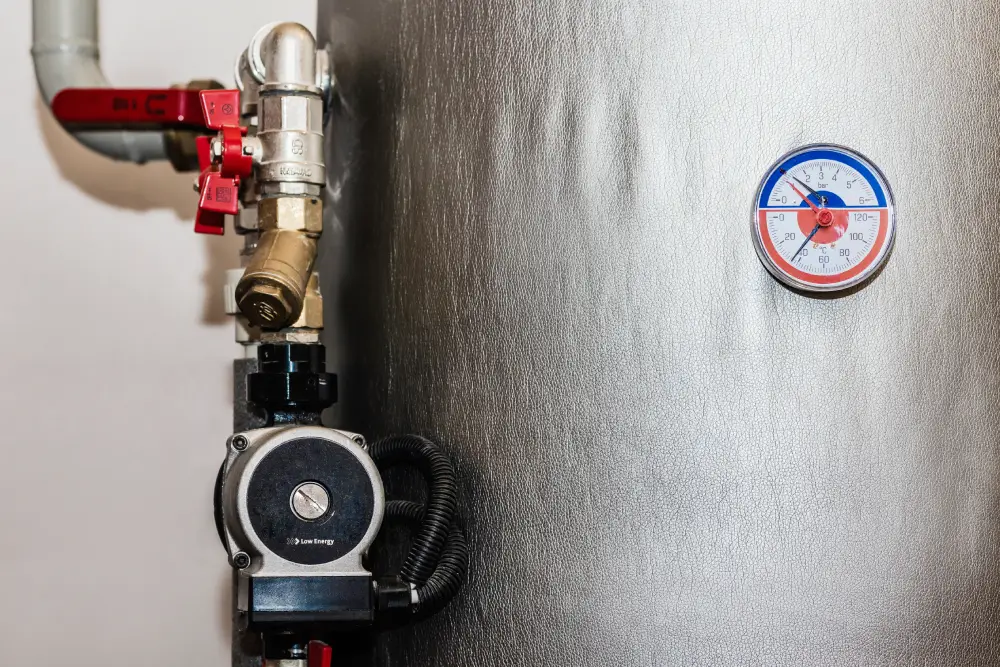
Reading a boiler pressure gauge involves observing the needle's position on the dial. A typical safe operating pressure is between 1 and 1.5 bar; if the needle is below this range, the system may need refilling, while above may indicate a fault.
What is the difference between gas and electric boilers?
The difference between gas and electric boilers lies in their energy sources and efficiency. Gas boilers use natural gas to heat water, offering faster heating and lower running costs, while electric boilers rely on electricity, providing easier installation and maintenance but typically higher energy costs.
How to extend the life of a boiler?
Extending the life of a boiler involves regular maintenance, such as annual servicing by qualified professionals, checking for leaks, and ensuring the system is properly flushed and descaled. Additionally, maintaining optimal pressure and keeping the area around the boiler clear can help enhance its longevity.
What should I do during a boiler emergency?
During a boiler emergency, you should immediately turn off the boiler and any relevant electrical supply. If you smell gas or see a leak, evacuate the area and contact a Gas Safe registered engineer for urgent assistance.