
Boiler Repair Ashford: Does a Sudden Rise in Gas Use Mean the Boiler Has a Fault?
Has your gas use suddenly increased? Learn what can cause higher consumption and when an Ashford boiler may need professional repair or investigation.

Why you can trust our content
We understand that the boiler industry can be confusing, with plenty of outdated or misleading information. That’s why we rely only on trusted, proven sources to guide our advice and installations:

Introduction
A sudden increase in gas consumption can be unsettling, particularly when your heating routine has not obviously changed. It is tempting to assume that the boiler must have developed a fault, but higher gas use can have several possible causes.
Cold weather, longer heating periods, changes to thermostat settings and increased hot water demand can all affect consumption. A boiler fault is one possibility, but the gas meter reading alone cannot confirm it.
If your usage has changed noticeably, understanding what to check first can help you decide whether you need boiler repair or simply need to adjust how the heating system is being used.
If your gas consumption has changed unexpectedly and you are concerned about your boiler, contact The Ashford Boiler Company for practical advice and professional heating support.
Does Higher Gas Use Automatically Mean Your Boiler Is Faulty?
No. A higher gas reading does not automatically mean there is a fault with the boiler.
Your heating system responds to the amount of heat your home needs. If outdoor temperatures fall, the boiler may need to run for longer to maintain the same indoor temperature.
Other changes can have a similar effect.
For example, gas use may increase if:
- The thermostat has been turned up
- Heating is running for longer
- More people are using hot water
- Someone is working from home more often
- The property has become more occupied
- Windows or doors are being left open
- The weather has become colder
These factors should be considered before assuming that a boiler fault is responsible.
What Boiler Problems Can Affect Gas Consumption?
Some boiler or heating-system problems can contribute to inefficient operation, although the symptoms will vary.
A system that is struggling to heat the property may operate for longer than expected. If the boiler is repeatedly cycling, failing to reach the required temperature or experiencing another operational issue, gas consumption may be affected.
Other warning signs can include:
- Radiators taking unusually long to warm up
- Inconsistent heating
- Hot water becoming unreliable
- Unusual boiler noises
- Frequent pressure changes
- Repeated error codes
- The boiler switching off unexpectedly
- A noticeable increase in repair requirements
One symptom alone does not identify the cause. A qualified heating professional should assess the appliance and wider system before recommending a repair.
Could Heating Controls Be Responsible for Higher Gas Use?
Yes.
Heating controls determine when the boiler operates and how the property is heated. If a programmer, thermostat or other control is incorrectly configured, the boiler may operate for longer than necessary.
For example, a heating schedule may have been changed accidentally, or a thermostat may have been set higher than usual.
Before arranging boiler repair ashford, check whether anything has changed in your heating controls.
Look at:
- The programmed heating times.
- The thermostat temperature.
- Any temporary heating overrides.
- Hot water schedules where applicable.
- Whether the thermostat is positioned correctly.
- Whether the controls are responding as expected.
If everything appears normal but gas use remains unusually high, professional advice may be appropriate.
How Can You Tell Whether Gas Use Has Really Changed?
Start by comparing several readings rather than focusing on one day.
Smart meter data can make this easier because it may allow you to see patterns over different periods. If you have traditional meter readings, regular manual readings can also provide useful information.
When comparing periods, consider the following:
| Factor | Why it matters |
|---|---|
| Outdoor temperature | Colder weather generally increases heating demand |
| Heating hours | Longer operation increases gas use |
| Thermostat setting | Higher temperatures require more heat |
| Hot water demand | More usage increases energy requirements |
| Occupancy | More people can change heating and hot water demand |
| Boiler condition | Operational problems may affect performance |
| Controls | Incorrect schedules can cause unnecessary operation |
The aim is to identify whether there has been a genuine change in consumption after accounting for other factors.
When Should a Sudden Increase Be Investigated?
A persistent increase deserves attention when there is no obvious explanation.
For example, if your household has maintained broadly the same heating schedule and thermostat settings, but gas use has increased significantly over several weeks, it is sensible to investigate.
The same applies if higher consumption appears alongside physical changes in the heating system.
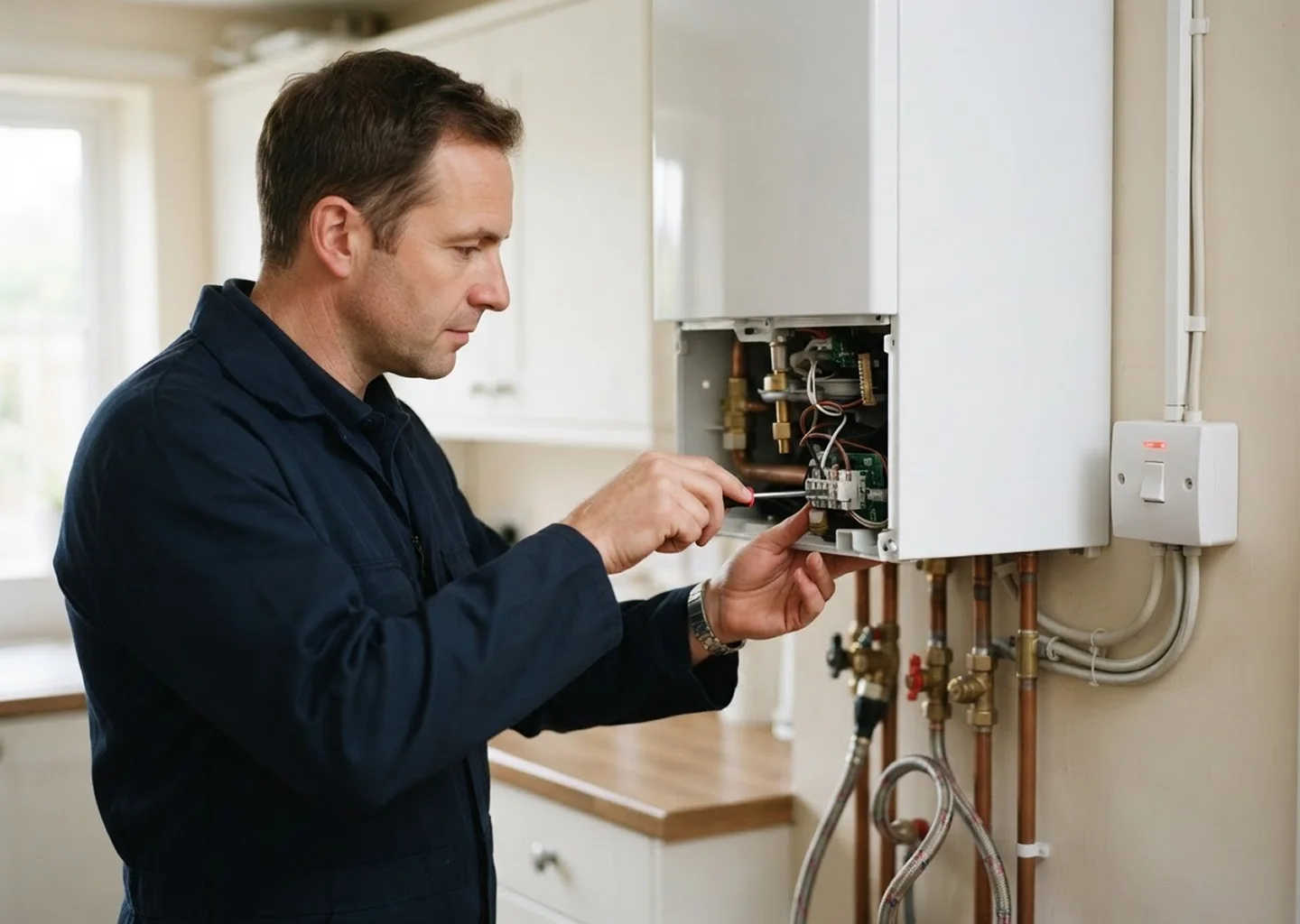
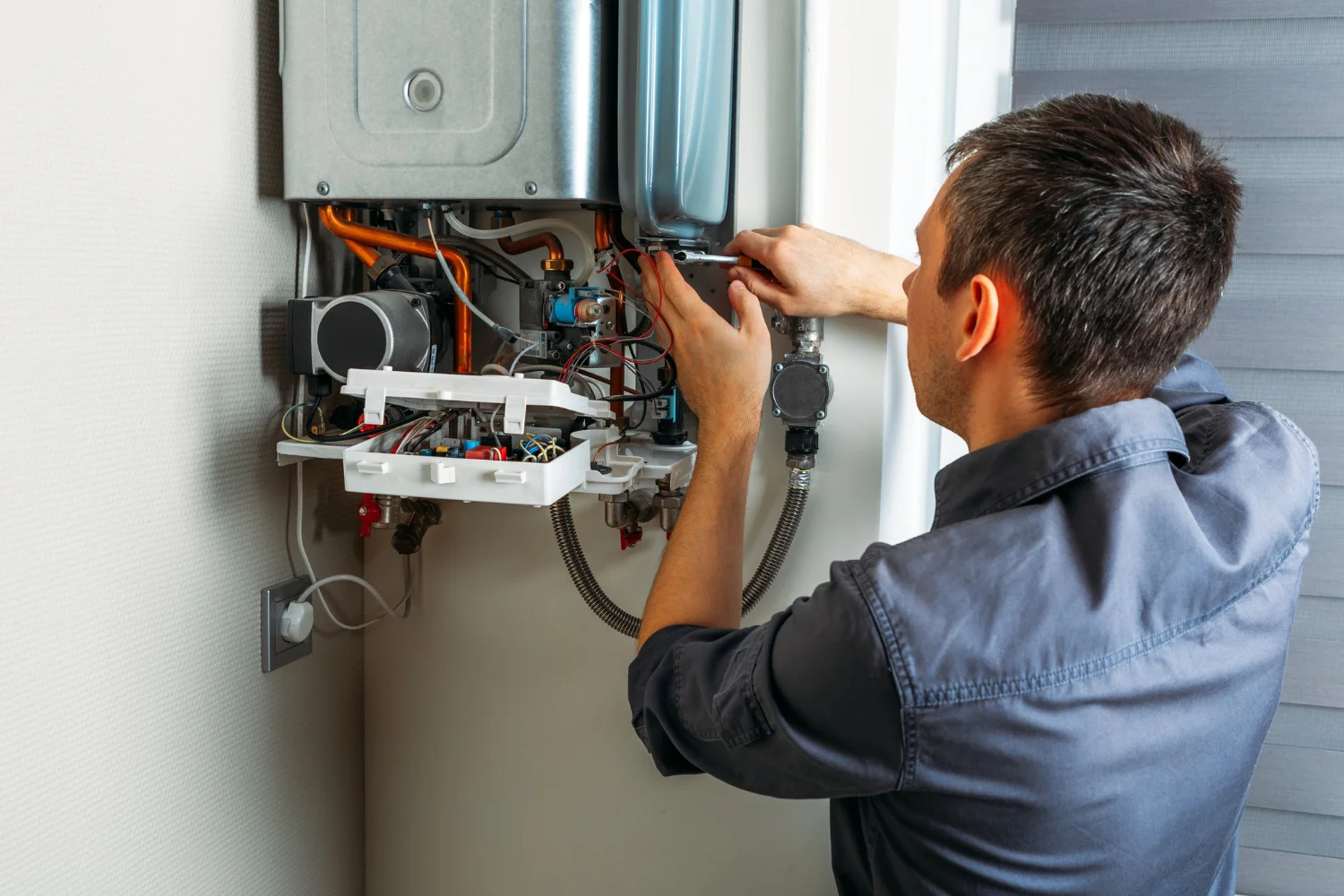
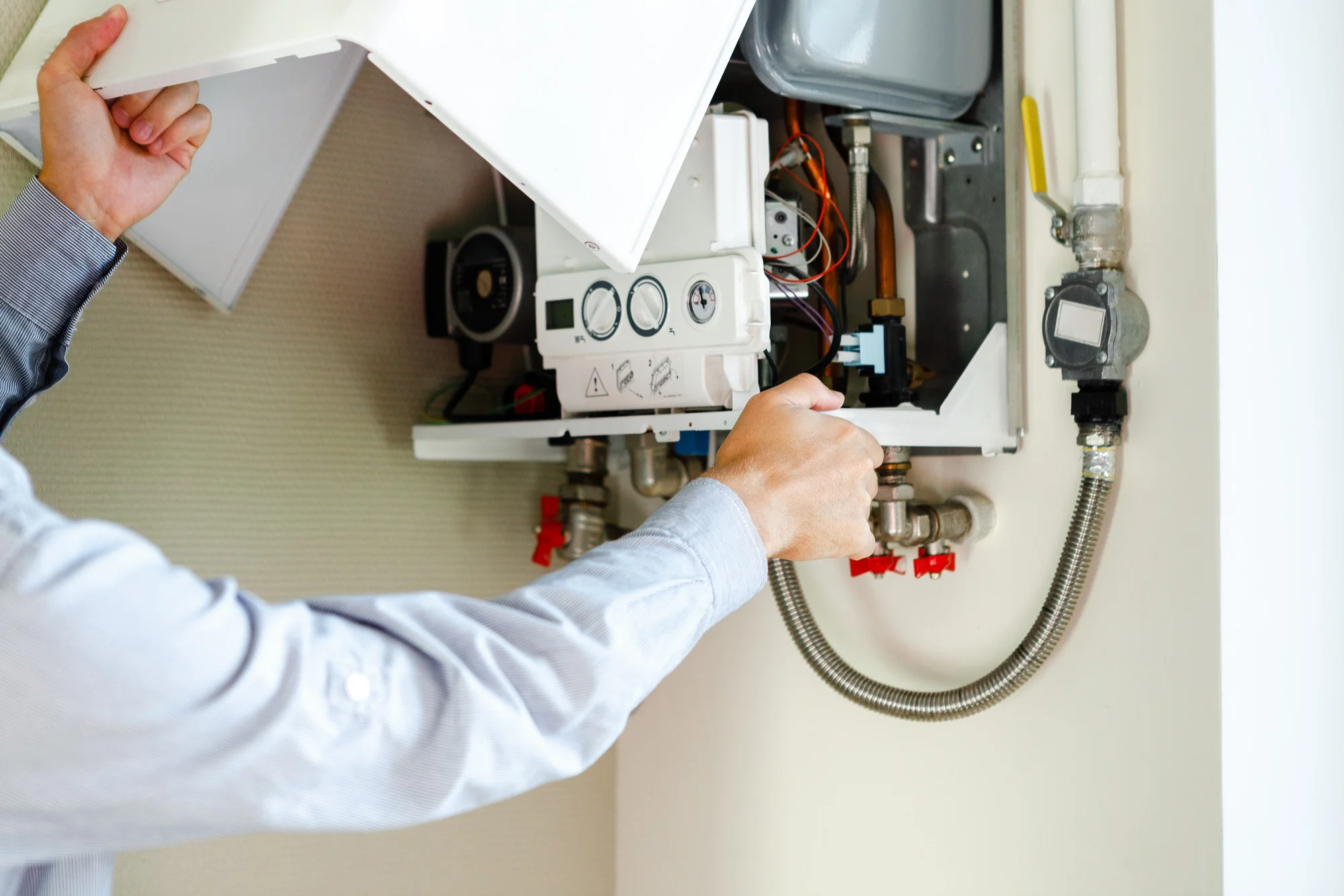
A professional can inspect the boiler and relevant components to establish whether there is an operational issue.
This is preferable to replacing equipment based solely on a higher gas bill.
Could the Problem Be Somewhere Other Than the Boiler?
Yes.
A boiler is part of a larger heating system, so a change in performance may have another cause.
Possible areas for investigation include:
- Thermostatic radiator valves
- Heating controls
- Circulation issues
- System pressure
- Radiator performance
- Pipework
- Hot water controls
- Other system components
This is why diagnosing the whole system can be more useful than focusing exclusively on the boiler.
A heating professional can determine whether a repair, adjustment or another form of maintenance is appropriate.
Should You Repair or Replace the Boiler?
A rise in gas use does not automatically mean replacement is necessary.
The decision should take account of the boiler’s age, condition, repair history, availability of replacement parts and suitability for the property.
Repair may be appropriate when the appliance is otherwise in reasonable condition and the problem is identifiable and economically sensible to fix.
Replacement may warrant consideration where an older boiler has developed repeated faults, requires substantial repair work or is no longer appropriate for the property’s heating requirements.
There is no single rule that applies to every home.
If you are unsure whether your boiler needs repairing or replacing, The Ashford Boiler Company can assess the situation and explain the practical options without relying on gas consumption alone.
A Typical Ashford Home With Unexpectedly High Gas Use
Imagine a homeowner notices that their gas consumption has increased during several weeks of winter. Their heating schedule has remained similar, so they become concerned that the boiler is developing a fault.
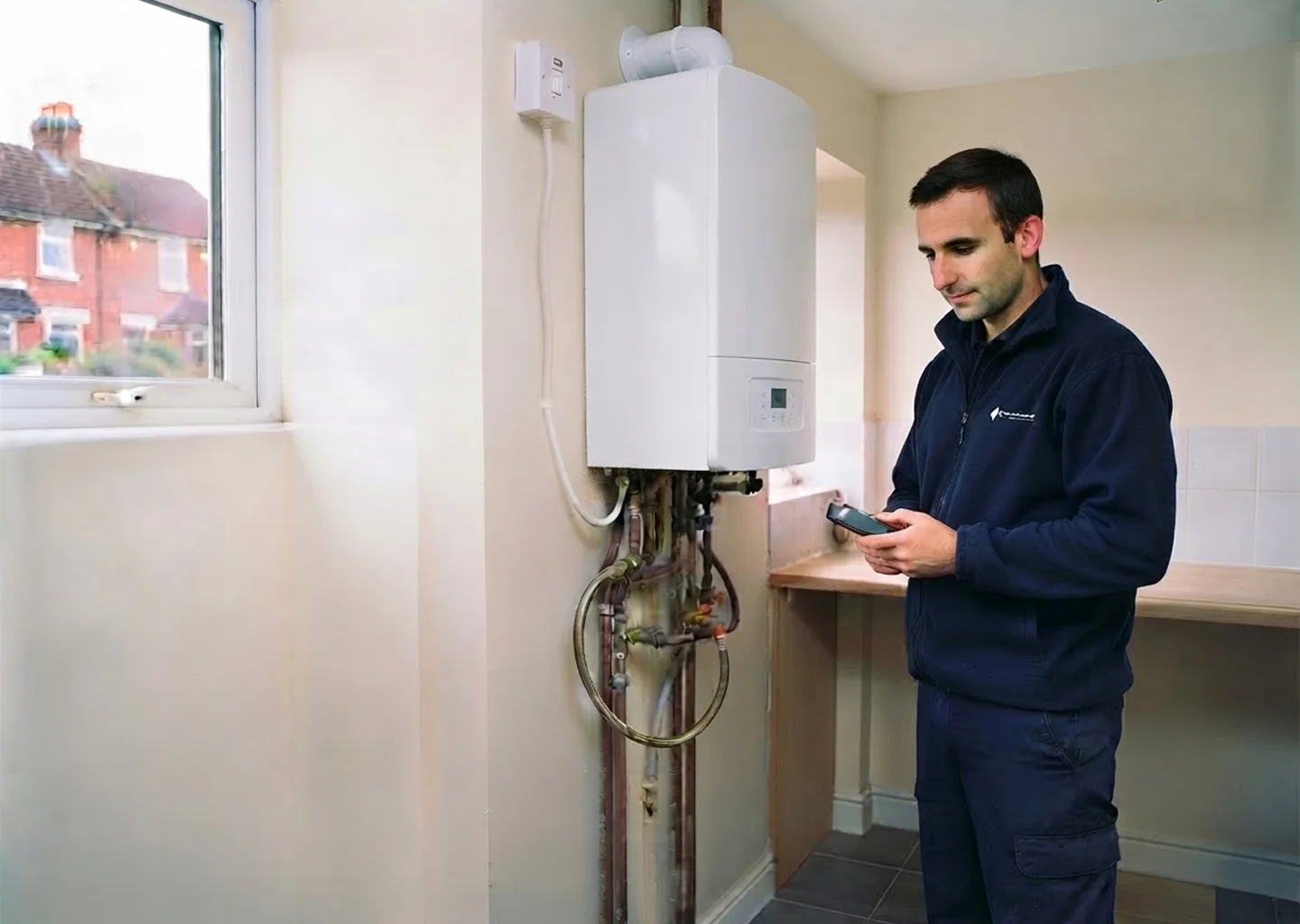
They also notice that some radiators are slower to heat than usual and the boiler appears to be operating for longer periods.
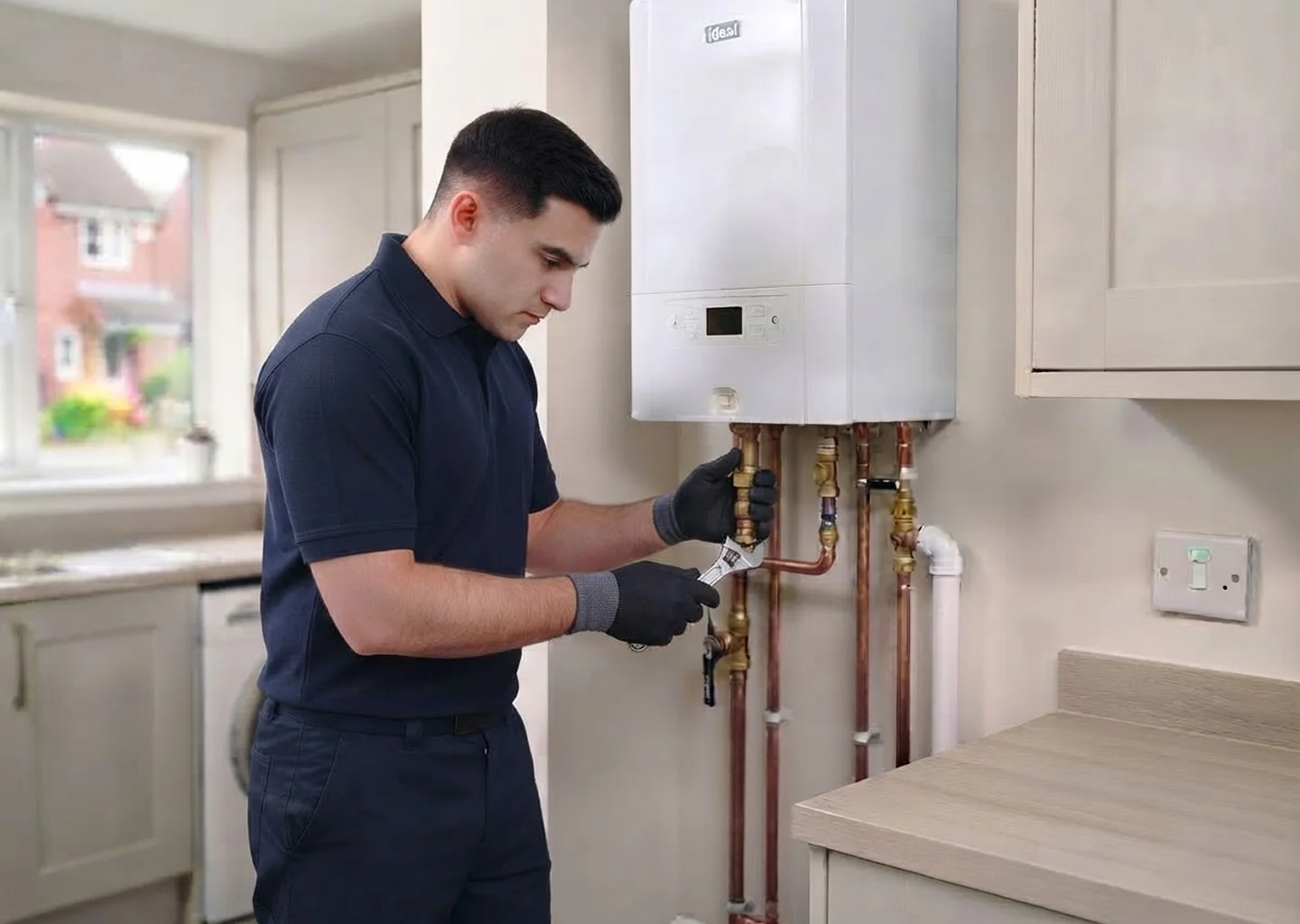
Rather than immediately replacing the appliance, they arrange an assessment. The installer checks the boiler and heating system, including the controls and system operation.
The increased gas use can then be considered alongside the actual symptoms. Depending on the findings, the appropriate solution could involve a repair, adjustment or further investigation.
This approach avoids making a replacement decision based on one piece of information.
What Should You Do If the Boiler Shows a Fault Code?
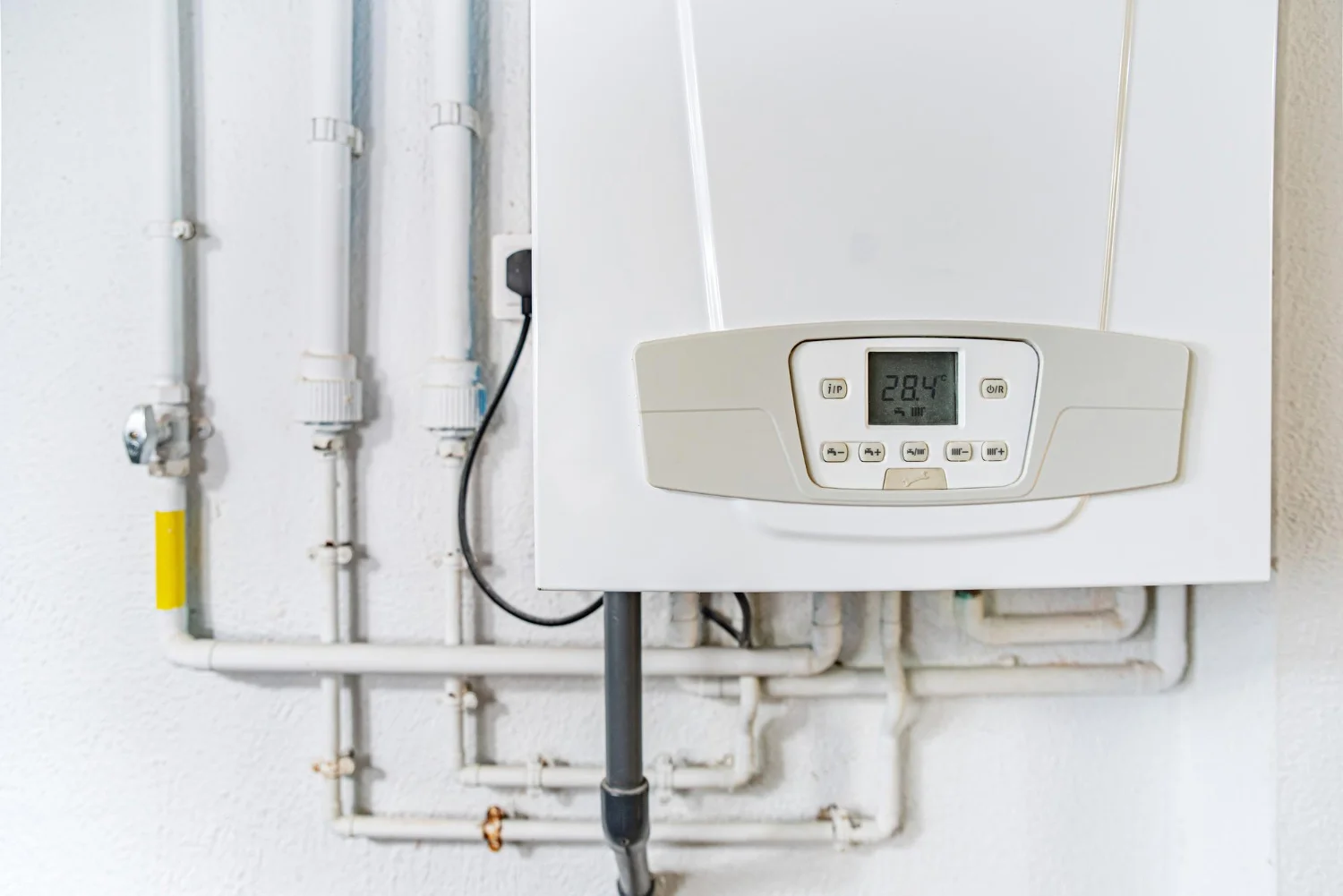
If your boiler displays an error code, consult the manufacturer’s instructions for guidance on what it means.
Some faults may be relatively straightforward, while others require professional attention. Do not repeatedly reset a boiler if the fault keeps returning without understanding the cause.
If the appliance is making unusual noises, repeatedly losing pressure or shutting down, arrange an inspection.
Never attempt to dismantle or repair gas components yourself. Gas-related work should be carried out by an appropriately qualified professional.
Can Regular Servicing Help Prevent Unexpected Problems?
Regular servicing can help identify developing issues before they become more disruptive.
A service allows relevant components and the operation of the appliance to be checked, subject to the manufacturer’s requirements and the type of boiler.
Servicing does not guarantee that a boiler will never develop a fault. However, keeping the system properly maintained can help identify problems and ensure that safety and operational checks are carried out appropriately.
Keeping records of previous servicing and repairs can also help an installer understand the boiler’s history.
How Should You Monitor Gas Use After a Repair?
Once a repair has been completed, continue monitoring consumption rather than expecting an immediate answer from the next bill.
Try to compare periods with similar weather and heating routines. Note any changes to thermostat settings or heating schedules.
If gas use returns towards its previous pattern and the original symptoms have disappeared, that provides useful context. If consumption remains unusually high or the same symptoms return, contact the installer again.
Monitoring gives you evidence that can help with any follow-up investigation.
Related articles
Which fuel powers your boiler?
At a glance
Introduction
A sudden increase in gas consumption can be unsettling, particularly when your heating routine has not obviously changed. It is tempting to assume that the boiler must have developed a fault, but higher gas use can have several possible causes.
Cold weather, longer heating periods, changes to thermostat settings and increased hot water demand can all affect consumption. A boiler fault is one possibility, but the gas meter reading alone cannot confirm it.
If your usage has changed noticeably, understanding what to check first can help you decide whether you need boiler repair or simply need to adjust how the heating system is being used.
If your gas consumption has changed unexpectedly and you are concerned about your boiler, contact The Ashford Boiler Company for practical advice and professional heating support.
Does Higher Gas Use Automatically Mean Your Boiler Is Faulty?
No. A higher gas reading does not automatically mean there is a fault with the boiler.
Your heating system responds to the amount of heat your home needs. If outdoor temperatures fall, the boiler may need to run for longer to maintain the same indoor temperature.
Other changes can have a similar effect.
For example, gas use may increase if:
- The thermostat has been turned up
- Heating is running for longer
- More people are using hot water
- Someone is working from home more often
- The property has become more occupied
- Windows or doors are being left open
- The weather has become colder
These factors should be considered before assuming that a boiler fault is responsible.
What Boiler Problems Can Affect Gas Consumption?
Some boiler or heating-system problems can contribute to inefficient operation, although the symptoms will vary.
A system that is struggling to heat the property may operate for longer than expected. If the boiler is repeatedly cycling, failing to reach the required temperature or experiencing another operational issue, gas consumption may be affected.
Other warning signs can include:
- Radiators taking unusually long to warm up
- Inconsistent heating
- Hot water becoming unreliable
- Unusual boiler noises
- Frequent pressure changes
- Repeated error codes
- The boiler switching off unexpectedly
- A noticeable increase in repair requirements
One symptom alone does not identify the cause. A qualified heating professional should assess the appliance and wider system before recommending a repair.
Could Heating Controls Be Responsible for Higher Gas Use?
Yes.
Heating controls determine when the boiler operates and how the property is heated. If a programmer, thermostat or other control is incorrectly configured, the boiler may operate for longer than necessary.
For example, a heating schedule may have been changed accidentally, or a thermostat may have been set higher than usual.
Before arranging boiler repair ashford, check whether anything has changed in your heating controls.
Look at:
- The programmed heating times.
- The thermostat temperature.
- Any temporary heating overrides.
- Hot water schedules where applicable.
- Whether the thermostat is positioned correctly.
- Whether the controls are responding as expected.
If everything appears normal but gas use remains unusually high, professional advice may be appropriate.
How Can You Tell Whether Gas Use Has Really Changed?
Start by comparing several readings rather than focusing on one day.
Smart meter data can make this easier because it may allow you to see patterns over different periods. If you have traditional meter readings, regular manual readings can also provide useful information.
When comparing periods, consider the following:
| Factor | Why it matters |
|---|---|
| Outdoor temperature | Colder weather generally increases heating demand |
| Heating hours | Longer operation increases gas use |
| Thermostat setting | Higher temperatures require more heat |
| Hot water demand | More usage increases energy requirements |
| Occupancy | More people can change heating and hot water demand |
| Boiler condition | Operational problems may affect performance |
| Controls | Incorrect schedules can cause unnecessary operation |
The aim is to identify whether there has been a genuine change in consumption after accounting for other factors.
When Should a Sudden Increase Be Investigated?
A persistent increase deserves attention when there is no obvious explanation.
For example, if your household has maintained broadly the same heating schedule and thermostat settings, but gas use has increased significantly over several weeks, it is sensible to investigate.
The same applies if higher consumption appears alongside physical changes in the heating system.
A professional can inspect the boiler and relevant components to establish whether there is an operational issue.
This is preferable to replacing equipment based solely on a higher gas bill.
Could the Problem Be Somewhere Other Than the Boiler?
Yes.
A boiler is part of a larger heating system, so a change in performance may have another cause.
Possible areas for investigation include:
- Thermostatic radiator valves
- Heating controls
- Circulation issues
- System pressure
- Radiator performance
- Pipework
- Hot water controls
- Other system components
This is why diagnosing the whole system can be more useful than focusing exclusively on the boiler.
A heating professional can determine whether a repair, adjustment or another form of maintenance is appropriate.
Should You Repair or Replace the Boiler?
A rise in gas use does not automatically mean replacement is necessary.
The decision should take account of the boiler’s age, condition, repair history, availability of replacement parts and suitability for the property.
Repair may be appropriate when the appliance is otherwise in reasonable condition and the problem is identifiable and economically sensible to fix.
Replacement may warrant consideration where an older boiler has developed repeated faults, requires substantial repair work or is no longer appropriate for the property’s heating requirements.
There is no single rule that applies to every home.
If you are unsure whether your boiler needs repairing or replacing, The Ashford Boiler Company can assess the situation and explain the practical options without relying on gas consumption alone.
A Typical Ashford Home With Unexpectedly High Gas Use
Imagine a homeowner notices that their gas consumption has increased during several weeks of winter. Their heating schedule has remained similar, so they become concerned that the boiler is developing a fault.
They also notice that some radiators are slower to heat than usual and the boiler appears to be operating for longer periods.
Rather than immediately replacing the appliance, they arrange an assessment. The installer checks the boiler and heating system, including the controls and system operation.
The increased gas use can then be considered alongside the actual symptoms. Depending on the findings, the appropriate solution could involve a repair, adjustment or further investigation.
This approach avoids making a replacement decision based on one piece of information.
What Should You Do If the Boiler Shows a Fault Code?
If your boiler displays an error code, consult the manufacturer’s instructions for guidance on what it means.
Some faults may be relatively straightforward, while others require professional attention. Do not repeatedly reset a boiler if the fault keeps returning without understanding the cause.
If the appliance is making unusual noises, repeatedly losing pressure or shutting down, arrange an inspection.
Never attempt to dismantle or repair gas components yourself. Gas-related work should be carried out by an appropriately qualified professional.
Can Regular Servicing Help Prevent Unexpected Problems?
Regular servicing can help identify developing issues before they become more disruptive.
A service allows relevant components and the operation of the appliance to be checked, subject to the manufacturer’s requirements and the type of boiler.
Servicing does not guarantee that a boiler will never develop a fault. However, keeping the system properly maintained can help identify problems and ensure that safety and operational checks are carried out appropriately.
Keeping records of previous servicing and repairs can also help an installer understand the boiler’s history.
How Should You Monitor Gas Use After a Repair?
Once a repair has been completed, continue monitoring consumption rather than expecting an immediate answer from the next bill.
Try to compare periods with similar weather and heating routines. Note any changes to thermostat settings or heating schedules.
If gas use returns towards its previous pattern and the original symptoms have disappeared, that provides useful context. If consumption remains unusually high or the same symptoms return, contact the installer again.
Monitoring gives you evidence that can help with any follow-up investigation.