The Ashford Boiler Company is your local team of boiler and heating experts covering both domestic and commercial properties. As a locally owned, independent company based in Kent, we are the Gas Safe registered engineers you can trust.
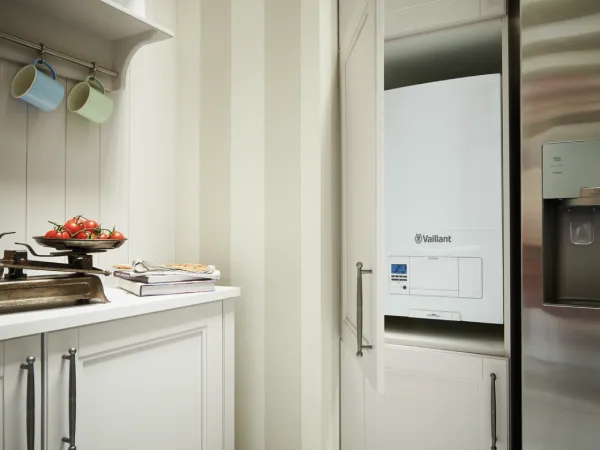
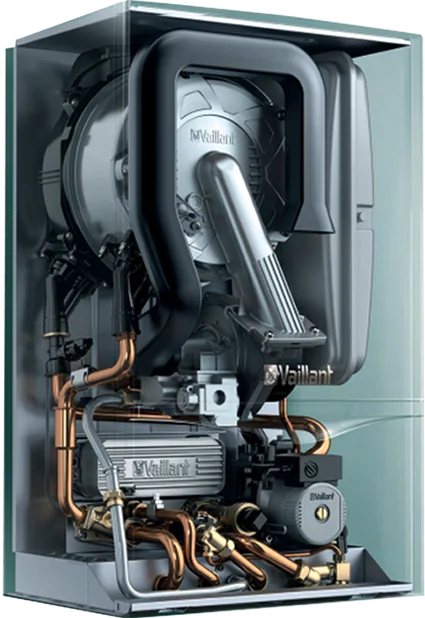
If you’re looking for a boiler and heating expert for your home or business in Ashford, you have found the best company to call. We fit new gas, oil and LPG boilers for a fixed rate. As Vaillant and Worcester Bosch approved installers for the Ashford area, we fit quality boilers at unbeatable prices.
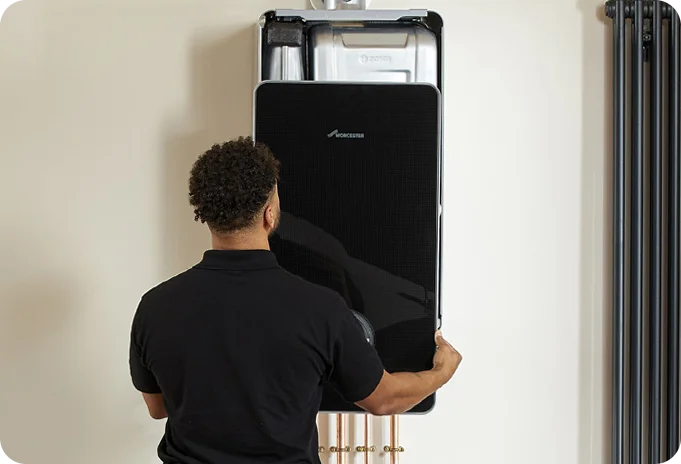
If your boiler is more than 10 years old and not energy efficient, it’s time to start planning to fit a replacement. We are available to install a replacement boiler in Ashford and we provide online quotes that are fixed and transparent.
We have many years of industry experience and can suggest the best new boiler for your needs. Our costs are affordable, and our workmanship is second to none. Get a quote for a replacement boiler in Ashford using our simple online tool. It is quick, easy, and comes with no obligations.
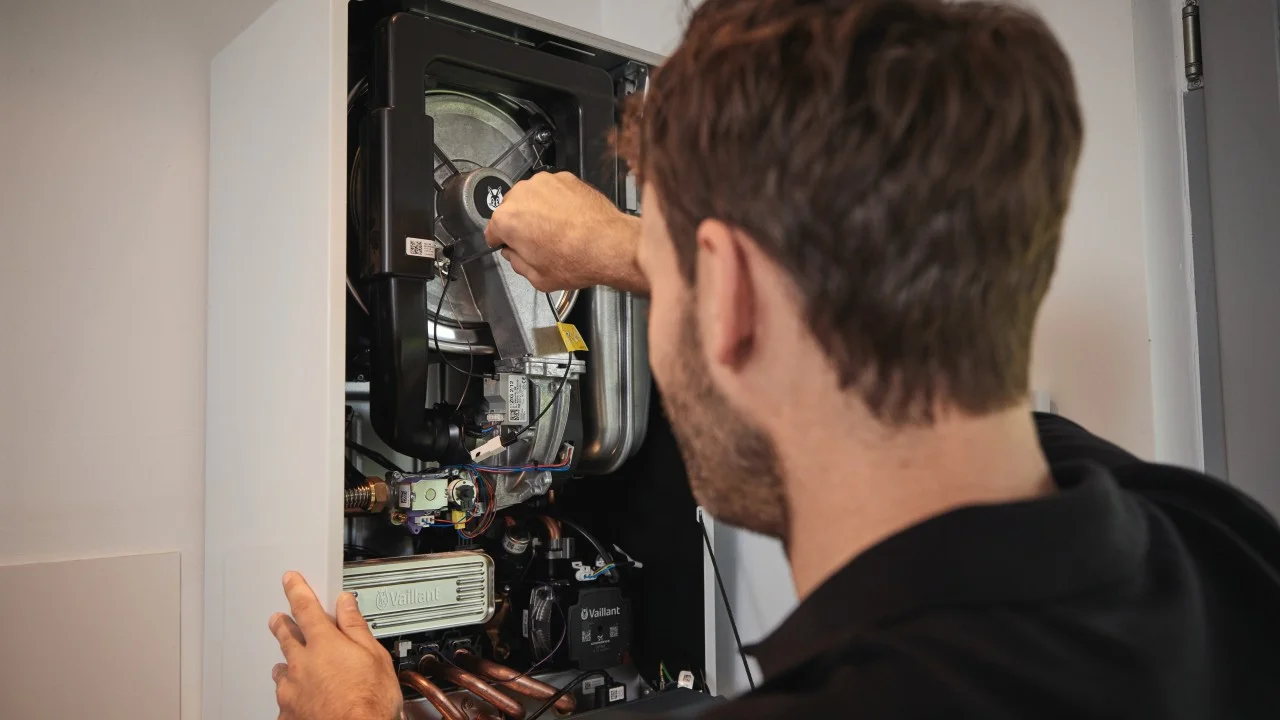
We are confident we can get your boiler working properly again in no time. Our team is happy to fix boilers across the Ashford area, including repairing combi, system and regular boilers with a variety of issues.
Our team starts by checking your boiler and heating carefully before identifying the fault. Once we have pinpointed the problem, we can let you know the cost of repairing your boiler in Ashford, and get to work quickly.
Choosing the right air conditioning system for your home in Ashford is a big decision. Our services are available to help you make informed choices about the best AC units for your requirements.
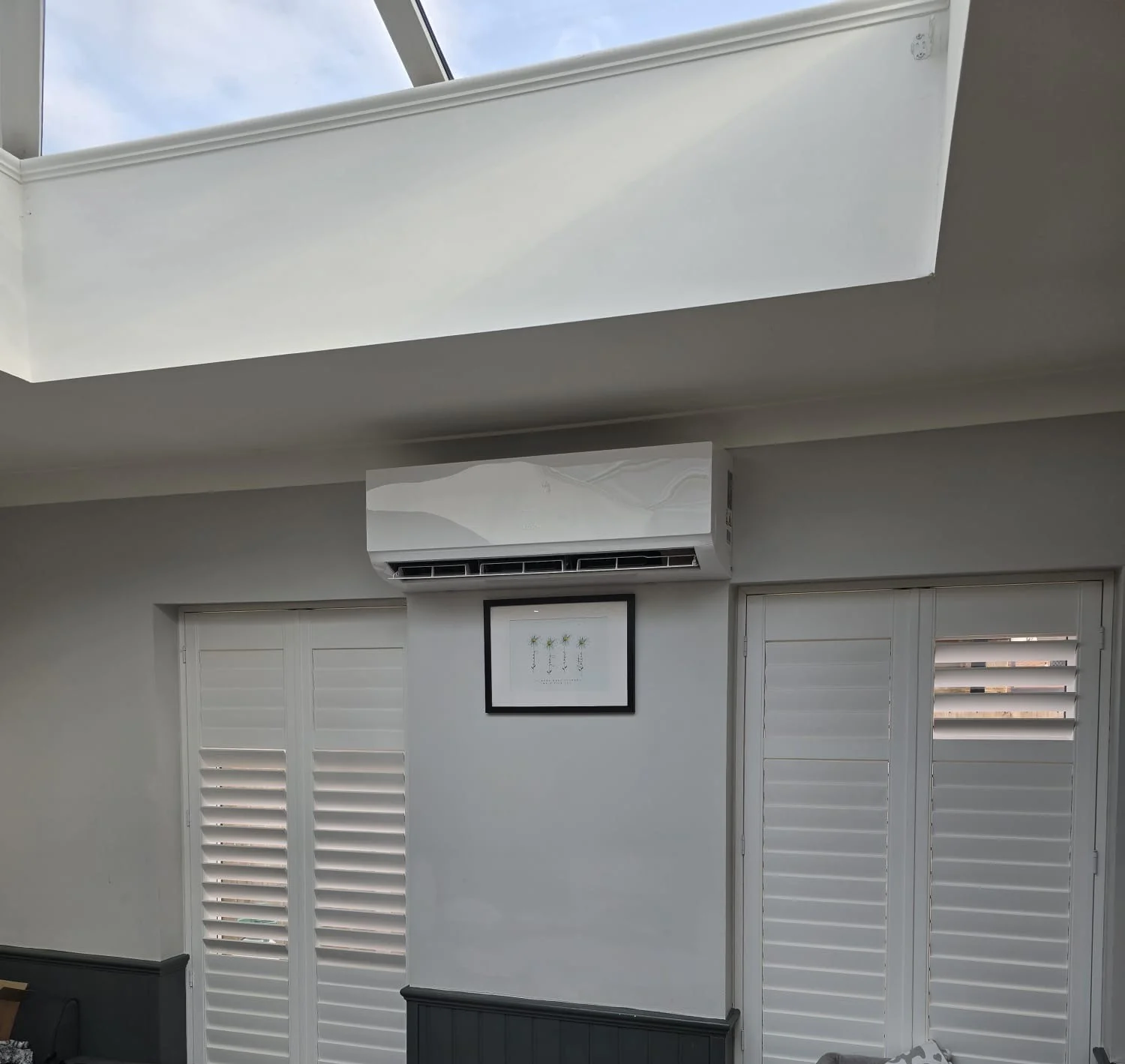
We install new air conditioning systems in Ashford, installing units that are energy-efficient and reliable. Fit air conditioning in bedrooms, living rooms, home offices, conservatories or loft rooms to cool and control the air quality in your home in Ashford.
Take charge of the temperature and humidity for comfortable living and ask The Ashford Boiler Company about installing home air conditioning in Ashford.
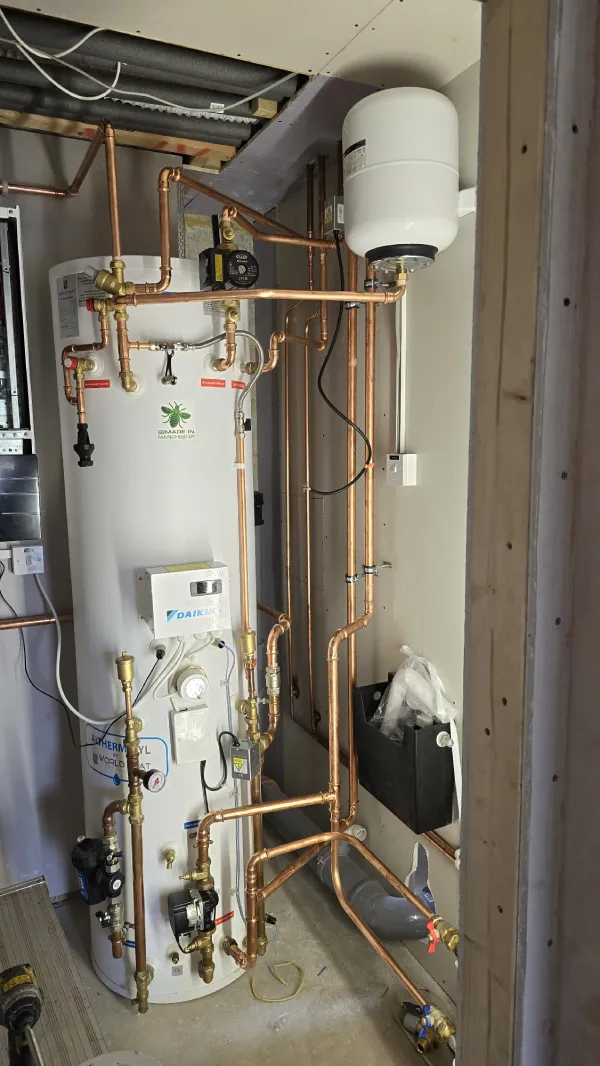
Unvented cylinders are a modern and efficient hot water storage solution, designed to deliver high-pressure water directly from the mains supply.
With benefits such as improved energy efficiency, space-saving design, and enhanced performance, unvented cylinders are a popular choice for homeowners in the Ashford area.
If your heating system is making strange noises or you have cold spots on your radiators, a power flush could resolve the issues.
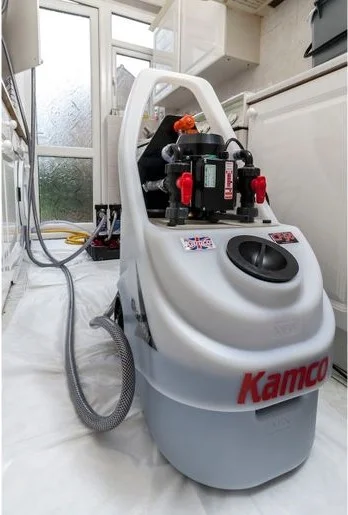
We offer professional power flushing in Ashford – we use the latest equipment and cleaning solution to ensure the best results. Give your heating a new lease of life with a professional power flush.
With over 17 years of experience in the plumbing industry, our engineers have seen it all. From minor repairs to major installations. We have the expertise and knowledge to handle any plumbing or heating job.
Fully Gas Safe Qualified
As Gas Safe and Oftec registered engineers, we ensure all qualifications are renewed regularly to keep up to date with all regulations. For our customers’ peace of mind, our engineers are DBS checked and insured.
Reliable Service
At The Ashford Boiler Company, our mission is to provide reliable, affordable and top-quality plumbing and heating services to our clients. We offer transparent quotes and deliver first-rate customer service to every customer.
Local Friendly Team
The team is based in the Ashford area and we pride ourselves on being approachable and friendly. We want our customers to return to us, year after year, happy with our plumbing and heating services.
With over 17 years of experience in the plumbing industry, our engineers have seen it all. From minor repairs to major installations. We have the expertise and knowledge to handle any plumbing or heating job.
Fully Gas Safe Qualified
As Gas Safe and Oftec registered engineers, we ensure all qualifications are renewed regularly to keep up to date with all regulations. For our customers’ peace of mind, our engineers are DBS checked and insured.
Reliable Service
At The Ashford Boiler Company, our mission is to provide reliable, affordable and top-quality plumbing and heating services to our clients. We offer transparent quotes and deliver first-rate customer service to every customer.
Local Friendly Team
The team is based in the Ashford area and we pride ourselves on being approachable and friendly. We want our customers to return to us, year after year, happy with our plumbing and heating services.
The Ashford Boiler Company Ltd is an Introducer Appointed Representative (Financial Services Register No. 1035314) of Phoenix Financial Consultants Limited (Phoenix). Phoenix is a credit broker, not a lender. Phoenix is authorised and regulated by the Financial Conduct Authority (FRN: 539195), and offers finance from its panel of lenders. All finance subject to status and credit checks.
The Ashford Boiler Company Ltd is an Introducer Appointed Representative (Financial Services Register No. 1035314) of Phoenix Financial Consultants Limited (Phoenix). Phoenix is a credit broker, not a lender. Phoenix is authorised and regulated by the Financial Conduct Authority (FRN: 539195), and offers finance from its panel of lenders. All finance subject to status and credit checks.