
Oil Boilers – Signs It’s Time To Replace Your Old Boiler
Is your oil boiler past its prime? From rising bills to frequent breakdowns, we highlight the tell-tale signs it’s time for an upgrade—before it lets you down on a cold winter morning.

Why you can trust our content
We understand that the boiler industry can be confusing, with plenty of outdated or misleading information. That’s why we rely only on trusted, proven sources to guide our advice and installations:
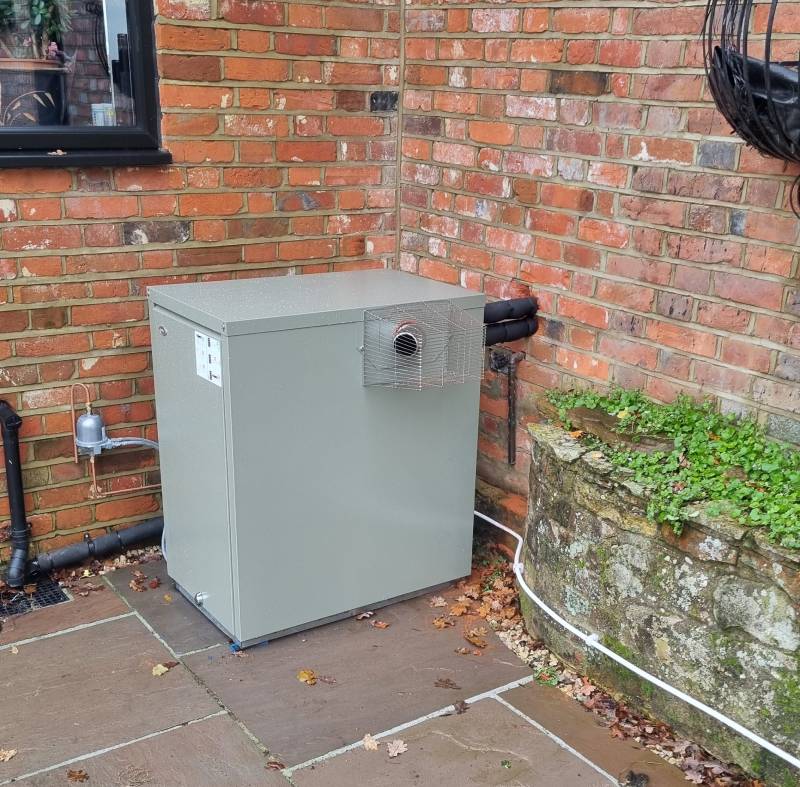
Oil boilers are a crucial part of many homes, providing reliable heat and hot water. You can expect an oil boiler to last longer than natural gas versions, but they will still need to be replaced at some point. When is the right time to upgrade your old oil boiler? Here’s what you need to know about their lifespan and the factors to consider when it’s time to install a new one.
How Long Do Oil Boilers Last?
The average lifespan of an oil boiler is 15 to 20 years, but this can vary depending on:
- Quality of the Boiler: Premium models with advanced technology often last longer.
- Maintenance: Regular servicing, ideally once a year, can extend the lifespan of your boiler by preventing minor issues from becoming major repairs.
- Usage: A boiler that’s used frequently or operates under high demand may wear out more quickly.
If your oil boiler is over 15 years old, it’s worth considering an upgrade, as newer models are more efficient and environmentally friendly.
Which fuel powers your boiler?
It just takes 2 minutes
And then you can book a free consultation
What To Look Out For
Older boilers may continue to work effectively for many more years, but to help determine whether it’s time to start budgeting for a replacement, look out for the following warning signs.
- Frequent Repairs
If you’re regularly calling out an engineer for repairs, it may be more cost-effective to invest in a new boiler. Most honest boiler engineers will let you know when it’s no longer economical to keep fixing issues. - Rising Energy Bills
Older boilers are less efficient and may cause a noticeable increase in your heating bills. If you notice that your oil tank needs topping up more frequently, and your heating bills are higher than everyone else’s, it could be that a new, energy-efficient model is required. - Strange Noises
Clanging, banging, or whistling sounds can indicate significant internal issues that might justify a replacement. - Difficulty Finding Replacement Parts
As boilers age, manufacturers may discontinue parts, making repairs increasingly expensive or impossible to do. You may be left with little choice, the only solution is to replace an outdated oil boiler. - Inconsistent Heating or Hot Water
If your boiler struggles to maintain consistent temperatures or takes longer to heat water, it may be nearing the end of its life. - Visible Signs of Wear
You might see leaks, rust or corrosion on or around your boiler. These are often clear indicators that it’s time for a replacement.
Benefits of Replacing Your Oil Boiler
Although there are upfront costs involved with installing a new oil boiler, there are some worthwhile benefits to enjoy. Upgrading to a modern oil boiler can offer:
- Lower Energy Costs: New models are more efficient, often rated A on energy efficiency scales. That means that they burn less oil to produce heating and hot water, working at 91% to 94% efficiency. Using less oil means you will not have to fill the oil tank as frequently.
- Reduced Carbon Footprint: Modern boilers produce fewer emissions, supporting greener living.
- Reliability: Advanced designs and technologies provide more consistent performance. That means fewer call-outs for repairs.
- Long-Term Savings: Fewer breakdowns and lower running costs make replacement worthwhile over time. A new boiler should pay for itself in a few years, while you enjoya better heating and hot water system.
When deciding to replace your oil boiler, weigh the upfront costs against the long-term benefits. A new boiler can significantly improve your home’s comfort, efficiency and environmental impact. For tailored advice, consult us at The Ashford Boiler Company. As your local heating professionals, we can assess your needs and provide the best options for your property.
Related articles


Which fuel powers your boiler?
4 Tell-Tale Signs It’s Time to Replace Your Oil Boiler
Oil boilers are a crucial part of many homes, providing reliable heat and hot water. You can expect an oil boiler to last longer than natural gas versions, but they will still need to be replaced at some point. When is the right time to upgrade your old oil boiler? Here’s what you need to know about their lifespan and the factors to consider when it’s time to install a new one.
How Long Do Oil Boilers Last?
The average lifespan of an oil boiler is 15 to 20 years, but this can vary depending on:
- Quality of the Boiler: Premium models with advanced technology often last longer.
- Maintenance: Regular servicing, ideally once a year, can extend the lifespan of your boiler by preventing minor issues from becoming major repairs.
- Usage: A boiler that’s used frequently or operates under high demand may wear out more quickly.
If your oil boiler is over 15 years old, it’s worth considering an upgrade, as newer models are more efficient and environmentally friendly.
Which fuel powers your boiler?
It just takes 2 minutes
And then you can book a free consultation
What To Look Out For
Older boilers may continue to work effectively for many more years, but to help determine whether it’s time to start budgeting for a replacement, look out for the following warning signs.
- Frequent Repairs
If you’re regularly calling out an engineer for repairs, it may be more cost-effective to invest in a new boiler. Most honest boiler engineers will let you know when it’s no longer economical to keep fixing issues. - Rising Energy Bills
Older boilers are less efficient and may cause a noticeable increase in your heating bills. If you notice that your oil tank needs topping up more frequently, and your heating bills are higher than everyone else’s, it could be that a new, energy-efficient model is required. - Strange Noises
Clanging, banging, or whistling sounds can indicate significant internal issues that might justify a replacement. - Difficulty Finding Replacement Parts
As boilers age, manufacturers may discontinue parts, making repairs increasingly expensive or impossible to do. You may be left with little choice, the only solution is to replace an outdated oil boiler. - Inconsistent Heating or Hot Water
If your boiler struggles to maintain consistent temperatures or takes longer to heat water, it may be nearing the end of its life. - Visible Signs of Wear
You might see leaks, rust or corrosion on or around your boiler. These are often clear indicators that it’s time for a replacement.
Benefits of Replacing Your Oil Boiler
Although there are upfront costs involved with installing a new oil boiler, there are some worthwhile benefits to enjoy. Upgrading to a modern oil boiler can offer:
- Lower Energy Costs: New models are more efficient, often rated A on energy efficiency scales. That means that they burn less oil to produce heating and hot water, working at 91% to 94% efficiency. Using less oil means you will not have to fill the oil tank as frequently.
- Reduced Carbon Footprint: Modern boilers produce fewer emissions, supporting greener living.
- Reliability: Advanced designs and technologies provide more consistent performance. That means fewer call-outs for repairs.
- Long-Term Savings: Fewer breakdowns and lower running costs make replacement worthwhile over time. A new boiler should pay for itself in a few years, while you enjoya better heating and hot water system.
When deciding to replace your oil boiler, weigh the upfront costs against the long-term benefits. A new boiler can significantly improve your home’s comfort, efficiency and environmental impact. For tailored advice, consult us at The Ashford Boiler Company. As your local heating professionals, we can assess your needs and provide the best options for your property.