
Combi Boiler Replacement in Ashford: When Repair Is No Longer Sensible
A combi boiler breakdown does not always mean you need a replacement. In many cases, a qualified engineer can repair the fault and keep the boiler running safely. However, there comes a point where repeated repairs stop making financial or practical sense.

Why you can trust our content
We understand that the boiler industry can be confusing, with plenty of outdated or misleading information. That’s why we rely only on trusted, proven sources to guide our advice and installations:
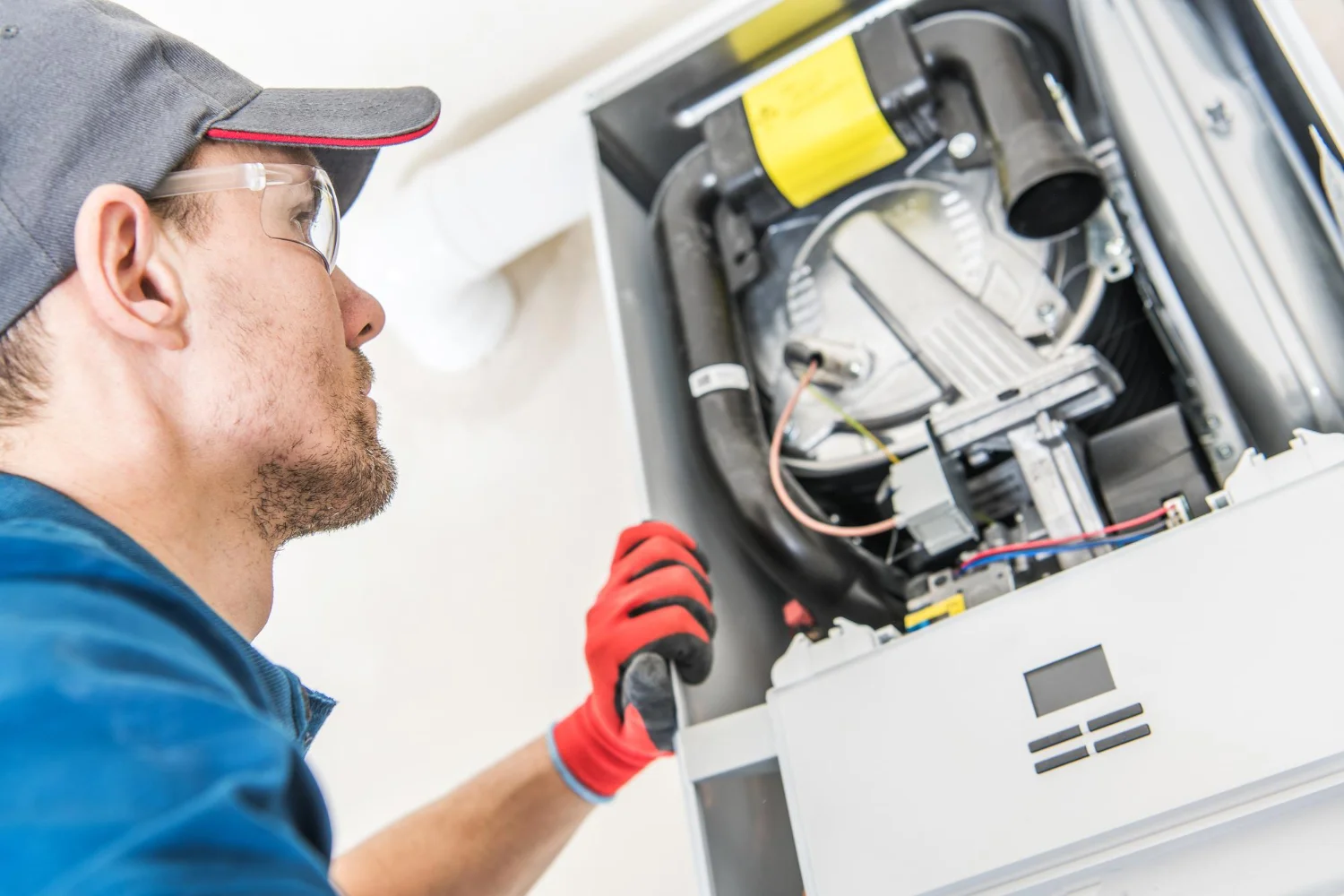
If your boiler is ageing, unreliable, expensive to maintain or no longer meeting your household’s hot water needs, it may be time to consider combi boiler replacement Ashford homeowners can plan properly rather than waiting for a complete failure.
This guide explains when repair may still be sensible, when replacement becomes the better long-term decision, and what factors affect the overall boiler replacement cost.
When is a boiler repair still worthwhile?
A repair can be the right choice when the boiler is still relatively new, the fault is isolated, and the repair cost is reasonable compared with the value of the appliance.
Repair may be suitable if:
- The boiler is under warranty
- The issue is a one-off fault
- Parts are easy to source
- The boiler has been serviced regularly
- The repair cost is modest
- The boiler is still efficient
- Hot water and heating performance are otherwise good
- There are no safety concerns
For example, a faulty pressure sensor, thermostat issue or minor leak may be repairable without needing a new boiler. A trusted engineer should explain whether the fault is isolated or part of a wider decline in performance.
When does repair stop making sense?
Repair becomes less sensible when the same boiler keeps developing faults or the cost of fixing it starts to feel like an ongoing commitment.
Replacement may be worth considering if:
- Your boiler is more than 10 to 15 years old
- You have had multiple callouts in a short period
- Parts are becoming expensive or difficult to source
- Your energy bills are rising
- Hot water performance has declined
- The boiler is noisy, leaking or unreliable
- The system is out of warranty
- You are worried about winter breakdowns
- An engineer has warned that major components are wearing out
The key question is not only “Can this be repaired?” It is also “Is this repair a good use of money?
Which fuel powers your boiler?
It just takes 2 minutes
And then you can book a free consultation
How do you compare repair cost against replacement cost?
A single repair may be cheaper than replacing the boiler. However, several repairs over a year or two can quickly add up. The decision becomes clearer when you look at short-term cost, long-term reliability and the age of the appliance.
| Situation | Repair may make sense | Replacement may make sense |
| Boiler age | Under 8-10 years | Over 10-15 years |
| Fault history | First issue in years | Repeated breakdowns |
| Repair price | Low to moderate | High compared with boiler age |
| Parts availability | Easy to source | Limited or costly |
| Efficiency | Still performing well | Bills increasing |
| Warranty | Still covered | Expired warranty |
| Hot water | Meets household needs | Struggles with demand |
| Confidence | You trust it to last | You expect further faults |
This comparison helps you avoid spending money on a boiler that may still need replacing soon afterwards.
What warning signs suggest your combi boiler is near the end?
A combi boiler can show several signs that it is reaching the end of its practical lifespan. These signs do not always mean immediate replacement is needed, but they should not be ignored.
Watch for:
- Frequent pressure loss
- Radiators heating slowly
- Hot water running cold unexpectedly
- Banging, whistling or gurgling noises
- Error codes appearing repeatedly
- Leaks or corrosion
- The boiler needing regular resets
- Uneven heating throughout the home
- Higher gas usage without increased heating demand
- Engineers recommending repeated component replacements
If these issues happen together, it may be more sensible to plan a replacement than keep paying for individual fixes.
Why does hot water demand matter?
Combi boilers provide hot water directly from the mains. If your household demand has grown since the boiler was fitted, the boiler may no longer feel suitable even if it still works.
This can happen when:
- More people live in the property
- An en-suite has been added
- A bathroom has been upgraded
- A higher-flow shower has been installed
- The household uses hot water at the same time each morning
- The property has been extended
In this situation, repair may only fix the immediate fault. It will not solve the problem of a boiler that is no longer well matched to the home.
For homeowners considering combi boiler replacement Ashford, a proper assessment should look at how the household uses hot water now, not just what boiler is already installed.
What affects boiler replacement cost?
Boiler replacement cost depends on the boiler, the installation work and the condition of the existing heating system. A simple combi-to-combi swap in the same position is usually more straightforward than moving the boiler or converting from another system type.
Common cost factors include:
- Boiler brand and model
- Warranty length
- Boiler output
- Whether the boiler stays in the same location
- Flue requirements
- Gas pipework
- Condensate pipe route
- Heating controls
- Magnetic filter
- System cleaning
- Water quality
- Access for engineers
- Removal of the old boiler
- Any pipework alterations
A clear quote should explain what is included and what may change the final price. This helps you compare options fairly rather than focusing only on the headline figure.
Should you replace like-for-like?
A like-for-like combi replacement can be a good option when the current setup already suits the home. It may also reduce disruption because the boiler position, pipework and flue route may already be suitable.
However, like-for-like is not always the best choice. Before replacing your boiler, the installer should check whether your home’s needs have changed.
Ask:
- Does the current boiler provide enough hot water?
- Are all radiators heating properly?
- Has the property been extended?
- Has another bathroom been added?
- Is the water pressure suitable?
- Is the current boiler location still practical?
- Would better controls improve efficiency?
A professional installer should recommend the right setup for the home, not simply repeat the previous installation without checking.
Could the wider heating system be the problem?
Yes. Sometimes homeowners blame the boiler when the wider heating system is part of the issue. Sludge, poor circulation, old controls, incorrect radiator sizing or poor water quality can all affect performance.
Before recommending replacement, an engineer should consider whether problems are linked to:
- Radiator sludge
- Air in the system
- Poor balancing
- Faulty valves
- Weak controls
- Pipework restrictions
- Leaks
- Low water pressure
- Inadequate maintenance
If the wider system is not checked, a new boiler may be installed onto existing problems. That can reduce efficiency and reliability.
A good combi boiler replacement Ashford service should assess the whole heating system before installation.
What are the benefits of replacing before a full breakdown?
Many homeowners wait until the boiler fails completely before replacing it. That is understandable, but it can create extra stress, especially in winter.
Replacing before a full breakdown can help you:
- Avoid emergency decisions
- Compare quotes calmly
- Choose the right boiler
- Plan installation around your schedule
- Reduce the risk of being left without heating
- Consider finance options if needed
- Upgrade controls and system protection properly
- Avoid paying for repeated temporary repairs
A planned replacement usually gives you more control than an urgent replacement after a breakdown.
Example scenario: repair or replace?
An Ashford homeowner has a 13-year-old combi boiler. Over the last 18 months, it has needed a pressure-related repair, a replacement fan and two callouts for intermittent hot water problems. The boiler still works, but the homeowner no longer trusts it through winter.
In this case, another repair may be possible. However, the pattern suggests the boiler is becoming unreliable. If the household also wants better hot water performance and a longer warranty, replacement may offer better long-term value.
The right decision should be based on inspection, repair history and the homeowner’s plans for the property.
What should be included in a replacement quote?
A good replacement quote should be clear and detailed. It should show the boiler, installation work and any system protection included.
Look for:
- Boiler make and model
- Warranty length
- Labour
- Flue parts
- Controls
- Magnetic filter
- System cleaning if required
- Pipework changes
- Waste removal
- Commissioning
- Warranty registration
- Aftercare support
- Any exclusions
If one quote is much cheaper than another, check whether it includes the same level of work and protection.
How do you decide with confidence?
To make the decision easier, ask your installer these questions:
- What is the fault?
- Is it a one-off issue or part of a pattern?
- How old is the boiler?
- Are parts easy to source?
- What would repair cost?
- How likely is another fault soon?
- Is the boiler still efficient?
- Does it suit my hot water demand?
- What would replacement involve?
- What warranty would a new boiler include?
A good installer will give you a balanced answer. They should not push replacement if a sensible repair is enough, but they should also be honest when repair is becoming poor value.
Repairing a boiler can be the right decision when the fault is minor and the system still performs well. However, if repairs are becoming frequent, expensive or unreliable, replacement may offer better long-term value and peace of mind.
The Ashford Boiler Company can inspect your current boiler, explain the options clearly and help you decide whether repair or replacement is the sensible next step. If you are considering combi boiler replacement Ashford, contact our team for straightforward advice and a tailored quote.
Related articles



Which fuel powers your boiler?
Repair or Replace Your Combi Boiler: A Quick Guide
If your boiler is ageing, unreliable, expensive to maintain or no longer meeting your household’s hot water needs, it may be time to consider combi boiler replacement Ashford homeowners can plan properly rather than waiting for a complete failure.
This guide explains when repair may still be sensible, when replacement becomes the better long-term decision, and what factors affect the overall boiler replacement cost.
When is a boiler repair still worthwhile?
A repair can be the right choice when the boiler is still relatively new, the fault is isolated, and the repair cost is reasonable compared with the value of the appliance.
Repair may be suitable if:
- The boiler is under warranty
- The issue is a one-off fault
- Parts are easy to source
- The boiler has been serviced regularly
- The repair cost is modest
- The boiler is still efficient
- Hot water and heating performance are otherwise good
- There are no safety concerns
For example, a faulty pressure sensor, thermostat issue or minor leak may be repairable without needing a new boiler. A trusted engineer should explain whether the fault is isolated or part of a wider decline in performance.
When does repair stop making sense?
Repair becomes less sensible when the same boiler keeps developing faults or the cost of fixing it starts to feel like an ongoing commitment.
Replacement may be worth considering if:
- Your boiler is more than 10 to 15 years old
- You have had multiple callouts in a short period
- Parts are becoming expensive or difficult to source
- Your energy bills are rising
- Hot water performance has declined
- The boiler is noisy, leaking or unreliable
- The system is out of warranty
- You are worried about winter breakdowns
- An engineer has warned that major components are wearing out
The key question is not only “Can this be repaired?” It is also “Is this repair a good use of money?
Which fuel powers your boiler?
It just takes 2 minutes
And then you can book a free consultation
How do you compare repair cost against replacement cost?
A single repair may be cheaper than replacing the boiler. However, several repairs over a year or two can quickly add up. The decision becomes clearer when you look at short-term cost, long-term reliability and the age of the appliance.
| Situation | Repair may make sense | Replacement may make sense |
| Boiler age | Under 8-10 years | Over 10-15 years |
| Fault history | First issue in years | Repeated breakdowns |
| Repair price | Low to moderate | High compared with boiler age |
| Parts availability | Easy to source | Limited or costly |
| Efficiency | Still performing well | Bills increasing |
| Warranty | Still covered | Expired warranty |
| Hot water | Meets household needs | Struggles with demand |
| Confidence | You trust it to last | You expect further faults |
This comparison helps you avoid spending money on a boiler that may still need replacing soon afterwards.
What warning signs suggest your combi boiler is near the end?
A combi boiler can show several signs that it is reaching the end of its practical lifespan. These signs do not always mean immediate replacement is needed, but they should not be ignored.
Watch for:
- Frequent pressure loss
- Radiators heating slowly
- Hot water running cold unexpectedly
- Banging, whistling or gurgling noises
- Error codes appearing repeatedly
- Leaks or corrosion
- The boiler needing regular resets
- Uneven heating throughout the home
- Higher gas usage without increased heating demand
- Engineers recommending repeated component replacements
If these issues happen together, it may be more sensible to plan a replacement than keep paying for individual fixes.
Why does hot water demand matter?
Combi boilers provide hot water directly from the mains. If your household demand has grown since the boiler was fitted, the boiler may no longer feel suitable even if it still works.
This can happen when:
- More people live in the property
- An en-suite has been added
- A bathroom has been upgraded
- A higher-flow shower has been installed
- The household uses hot water at the same time each morning
- The property has been extended
In this situation, repair may only fix the immediate fault. It will not solve the problem of a boiler that is no longer well matched to the home.
For homeowners considering combi boiler replacement Ashford, a proper assessment should look at how the household uses hot water now, not just what boiler is already installed.
What affects boiler replacement cost?
Boiler replacement cost depends on the boiler, the installation work and the condition of the existing heating system. A simple combi-to-combi swap in the same position is usually more straightforward than moving the boiler or converting from another system type.
Common cost factors include:
- Boiler brand and model
- Warranty length
- Boiler output
- Whether the boiler stays in the same location
- Flue requirements
- Gas pipework
- Condensate pipe route
- Heating controls
- Magnetic filter
- System cleaning
- Water quality
- Access for engineers
- Removal of the old boiler
- Any pipework alterations
A clear quote should explain what is included and what may change the final price. This helps you compare options fairly rather than focusing only on the headline figure.
Should you replace like-for-like?
A like-for-like combi replacement can be a good option when the current setup already suits the home. It may also reduce disruption because the boiler position, pipework and flue route may already be suitable.
However, like-for-like is not always the best choice. Before replacing your boiler, the installer should check whether your home’s needs have changed.
Ask:
- Does the current boiler provide enough hot water?
- Are all radiators heating properly?
- Has the property been extended?
- Has another bathroom been added?
- Is the water pressure suitable?
- Is the current boiler location still practical?
- Would better controls improve efficiency?
A professional installer should recommend the right setup for the home, not simply repeat the previous installation without checking.
Could the wider heating system be the problem?
Yes. Sometimes homeowners blame the boiler when the wider heating system is part of the issue. Sludge, poor circulation, old controls, incorrect radiator sizing or poor water quality can all affect performance.
Before recommending replacement, an engineer should consider whether problems are linked to:
- Radiator sludge
- Air in the system
- Poor balancing
- Faulty valves
- Weak controls
- Pipework restrictions
- Leaks
- Low water pressure
- Inadequate maintenance
If the wider system is not checked, a new boiler may be installed onto existing problems. That can reduce efficiency and reliability.
A good combi boiler replacement Ashford service should assess the whole heating system before installation.
What are the benefits of replacing before a full breakdown?
Many homeowners wait until the boiler fails completely before replacing it. That is understandable, but it can create extra stress, especially in winter.
Replacing before a full breakdown can help you:
- Avoid emergency decisions
- Compare quotes calmly
- Choose the right boiler
- Plan installation around your schedule
- Reduce the risk of being left without heating
- Consider finance options if needed
- Upgrade controls and system protection properly
- Avoid paying for repeated temporary repairs
A planned replacement usually gives you more control than an urgent replacement after a breakdown.
Example scenario: repair or replace?
An Ashford homeowner has a 13-year-old combi boiler. Over the last 18 months, it has needed a pressure-related repair, a replacement fan and two callouts for intermittent hot water problems. The boiler still works, but the homeowner no longer trusts it through winter.
In this case, another repair may be possible. However, the pattern suggests the boiler is becoming unreliable. If the household also wants better hot water performance and a longer warranty, replacement may offer better long-term value.
The right decision should be based on inspection, repair history and the homeowner’s plans for the property.
What should be included in a replacement quote?
A good replacement quote should be clear and detailed. It should show the boiler, installation work and any system protection included.
Look for:
- Boiler make and model
- Warranty length
- Labour
- Flue parts
- Controls
- Magnetic filter
- System cleaning if required
- Pipework changes
- Waste removal
- Commissioning
- Warranty registration
- Aftercare support
- Any exclusions
If one quote is much cheaper than another, check whether it includes the same level of work and protection.
How do you decide with confidence?
To make the decision easier, ask your installer these questions:
- What is the fault?
- Is it a one-off issue or part of a pattern?
- How old is the boiler?
- Are parts easy to source?
- What would repair cost?
- How likely is another fault soon?
- Is the boiler still efficient?
- Does it suit my hot water demand?
- What would replacement involve?
- What warranty would a new boiler include?
A good installer will give you a balanced answer. They should not push replacement if a sensible repair is enough, but they should also be honest when repair is becoming poor value.
Repairing a boiler can be the right decision when the fault is minor and the system still performs well. However, if repairs are becoming frequent, expensive or unreliable, replacement may offer better long-term value and peace of mind.
The Ashford Boiler Company can inspect your current boiler, explain the options clearly and help you decide whether repair or replacement is the sensible next step. If you are considering combi boiler replacement Ashford, contact our team for straightforward advice and a tailored quote.