
Boiler Repair Warning Signs Ashford Homeowners Should Not Ignore
A boiler rarely stops working without giving some form of warning first. In many Ashford homes, small signs are often dismissed as temporary issues until heating or hot water suddenly fails altogether. By that stage, the disruption can be stressful, particularly during colder months when families rely heavily on their heating systems.

Why you can trust our content
We understand that the boiler industry can be confusing, with plenty of outdated or misleading information. That’s why we rely only on trusted, proven sources to guide our advice and installations:
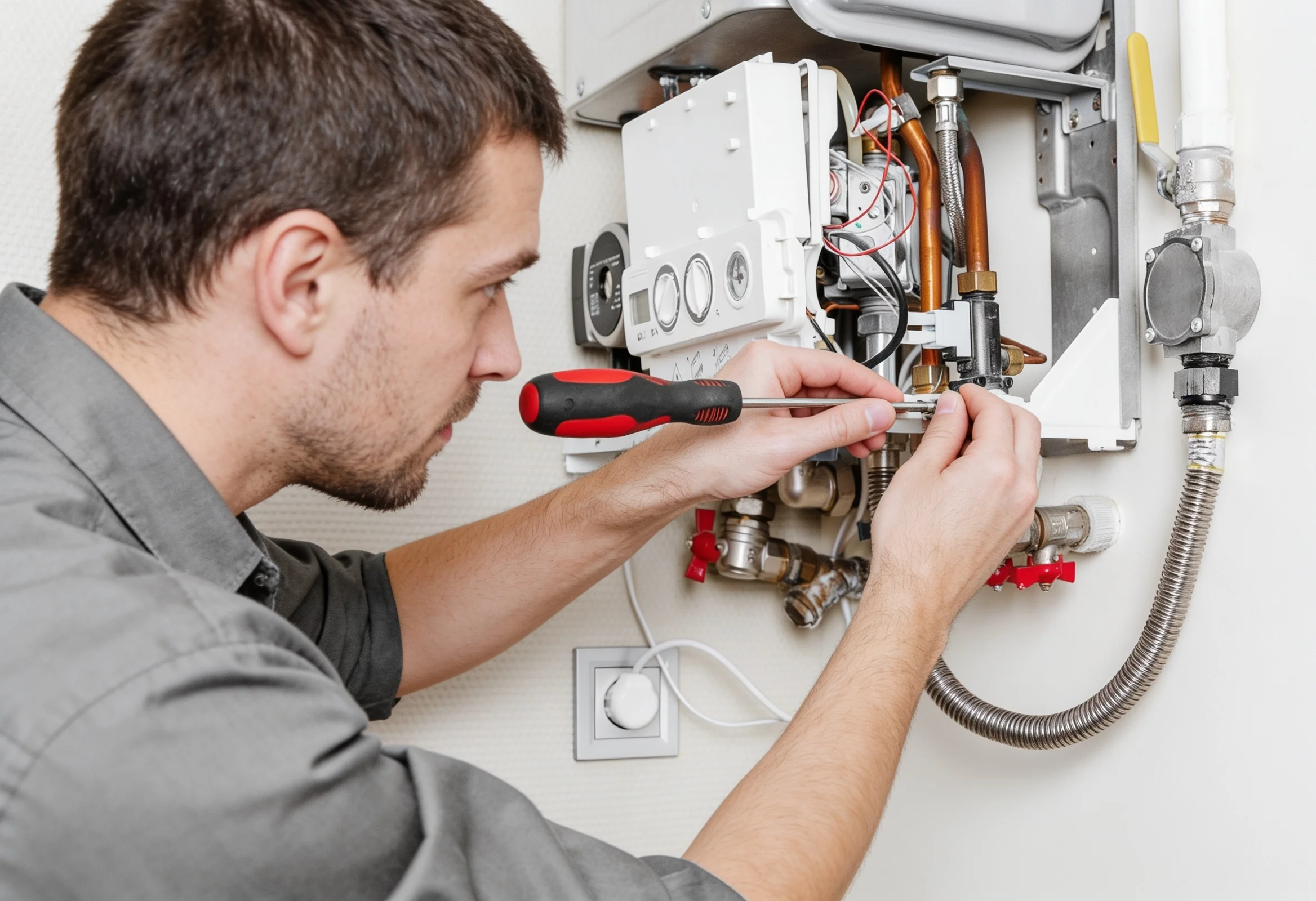
Understanding what your boiler is trying to tell you can help prevent expensive repairs, emergency callouts, and long periods without heating. Some problems are straightforward to fix when caught early, while others can quickly develop into larger mechanical faults if ignored.
If you are concerned about unusual boiler behaviour, speaking to a qualified engineer early can often reduce repair costs and prevent unnecessary downtime.
If you would like professional advice about an ongoing heating issue, contact our team to arrange an inspection.
What Are the Most Common Boiler Warning Signs?
Many heating systems show similar symptoms before a breakdown occurs. The challenge for homeowners is recognising which signs need attention sooner rather than later.
Some of the most common warning signs include:
- Banging, whistling, or vibrating noises
- Slow heating or uneven radiator temperatures
- Hot water cutting in and out
- Unexpected pressure loss
- Leaks around the boiler
- Pilot light or ignition issues
- Error codes appearing regularly
- Rising energy bills without increased usage
While one isolated issue may not always indicate a major fault, multiple symptoms appearing together usually suggest the system needs professional attention.
Why Does a Boiler Start Making Unusual Noises?
Modern boilers are designed to operate quietly. If new sounds suddenly appear, it often points to an internal issue developing.
Different noises can indicate different problems:
Noise Type | Possible Cause | Potential Risk |
Banging | Limescale or trapped air | Reduced efficiency |
Whistling | Pressure imbalance | Pump strain |
Gurgling | Air in the system | Poor circulation |
Clicking | Ignition fault | Boiler failing to start |
Vibrating | Loose components | Further mechanical wear |
In areas with hard water, kettling is particularly common. This happens when limescale builds up around the heat exchanger, causing overheating and restricted water flow.
Ignoring unusual sounds can increase wear on key components and eventually lead to a full system shutdown.
Is Low Boiler Pressure Always a Serious Problem?
Pressure drops are one of the most common reasons homeowners seek help with boiler repair ashford services. In some cases, repressurising the system resolves the issue temporarily, but repeated pressure loss usually points to an underlying fault.
Common causes include:
- Small system leaks
- Faulty pressure relief valves
- Expansion vessel problems
- Bleeding radiators too frequently
- Internal component wear
A boiler that constantly loses pressure should always be investigated properly rather than repeatedly topped up. Over time, hidden leaks can damage flooring, walls, and pipework if left untreated.
What Happens If You Ignore Minor Heating Problems?
Small heating faults rarely stay small for long. Boilers operate under pressure and rely on multiple parts working together correctly. When one component begins failing, it often places extra strain on others.
For example:
- A struggling pump can affect circulation
- Low pressure can impact ignition
- Sludge build-up can damage heat exchangers
- Faulty thermostats can overwork the boiler
Many emergency breakdowns start with issues that homeowners noticed weeks or months earlier.
Delaying repairs can also affect household running costs. Boilers operating inefficiently often consume more energy while delivering poorer performance.
Which fuel powers your boiler?
It just takes 2 minutes
And then you can book a free consultation
Could Uneven Heating Mean Your Boiler Is Failing?
Cold spots on radiators or rooms heating unevenly are sometimes blamed on the property itself, but they can also indicate wider heating system issues.
Several problems may contribute to uneven heating:
Sludge and debris
Older systems can develop internal sludge build-up, restricting circulation through radiators.
Air trapped in the system
Air pockets prevent hot water from moving effectively around the home.
Pump performance issues
A weakening pump may struggle to distribute heat evenly.
Thermostat or valve faults
Controls that no longer regulate temperature correctly can create inconsistent heating patterns.
If multiple radiators remain cold despite bleeding them regularly, it may be time for further investigation.
How Can Leaks Around a Boiler Become Dangerous?
Even small leaks should never be ignored. Water escaping from a boiler can damage internal electrical components and increase the likelihood of corrosion.
In some situations, leaks may come from:
- Seals beginning to fail
- Corroded pipe connections
- Cracked heat exchangers
- Excess pressure within the system
Visible water around the boiler casing is not considered normal operation. While some leaks appear minor initially, they often worsen over time.
A qualified engineer can identify whether the issue is repairable or if larger component replacement may be required.
When Should You Call an Engineer?
Homeowners often wait until heating or hot water completely stops before arranging a visit. However, earlier intervention usually gives more repair options and can reduce disruption.
You should consider professional help if:
- The boiler regularly resets itself
- Error codes appear repeatedly
- Pressure keeps dropping
- Strange smells are noticeable
- Hot water becomes unreliable
- Heating takes longer than normal
- Radiators stay cold despite bleeding
A professional inspection can determine whether the problem is isolated or part of a larger system issue.
For some properties, a repair may restore reliable performance quickly. In older systems with repeated faults, replacement discussions may become more practical.
A Typical Example From an Older Ashford Property
Many older homes across Ashford and parts of Kent still operate ageing heating systems that have received only basic maintenance over the years.
One common example involves a homeowner noticing occasional pressure loss and intermittent hot water. Initially, the system continued functioning after repressurising the boiler, so the issue was ignored.
Over several months:
- Pressure loss became more frequent
- Radiators developed cold spots
- Boiler noises increased
- Hot water became inconsistent
Eventually, the system failed completely during winter due to a damaged internal component caused by prolonged strain.
Earlier diagnosis could often reduce the extent of repairs needed in situations like this.
Can Regular Servicing Help Prevent Boiler Faults?
Annual servicing remains one of the best ways to identify developing issues before they become major problems.
A routine service may include:
- Checking internal components
- Testing pressure levels
- Inspecting seals and pipework
- Cleaning essential parts
- Assessing overall boiler performance
- Identifying early wear and corrosion
Servicing also helps maintain efficiency, which may reduce ongoing energy costs.
Homeowners sometimes assume servicing is unnecessary if the boiler appears to work normally, but many internal problems develop gradually without obvious warning signs initially.
What Should Ashford Homeowners Do Next?
If your heating system has started behaving differently, acting early is usually the safest and most cost-effective approach. Strange noises, leaks, pressure loss, and unreliable heating rarely resolve themselves without intervention.
Seeking advice sooner can help determine whether the issue requires a minor fix, system cleaning, or more extensive work. It may also prevent further damage to surrounding components.
The Ashford Boiler Company supports homeowners with professional diagnostics, maintenance, and boiler repair services tailored to the condition of the system and the needs of the property.
To discuss ongoing heating concerns or arrange an inspection, speak to The Ashford Boiler Company for tailored guidance and support.
Related articles
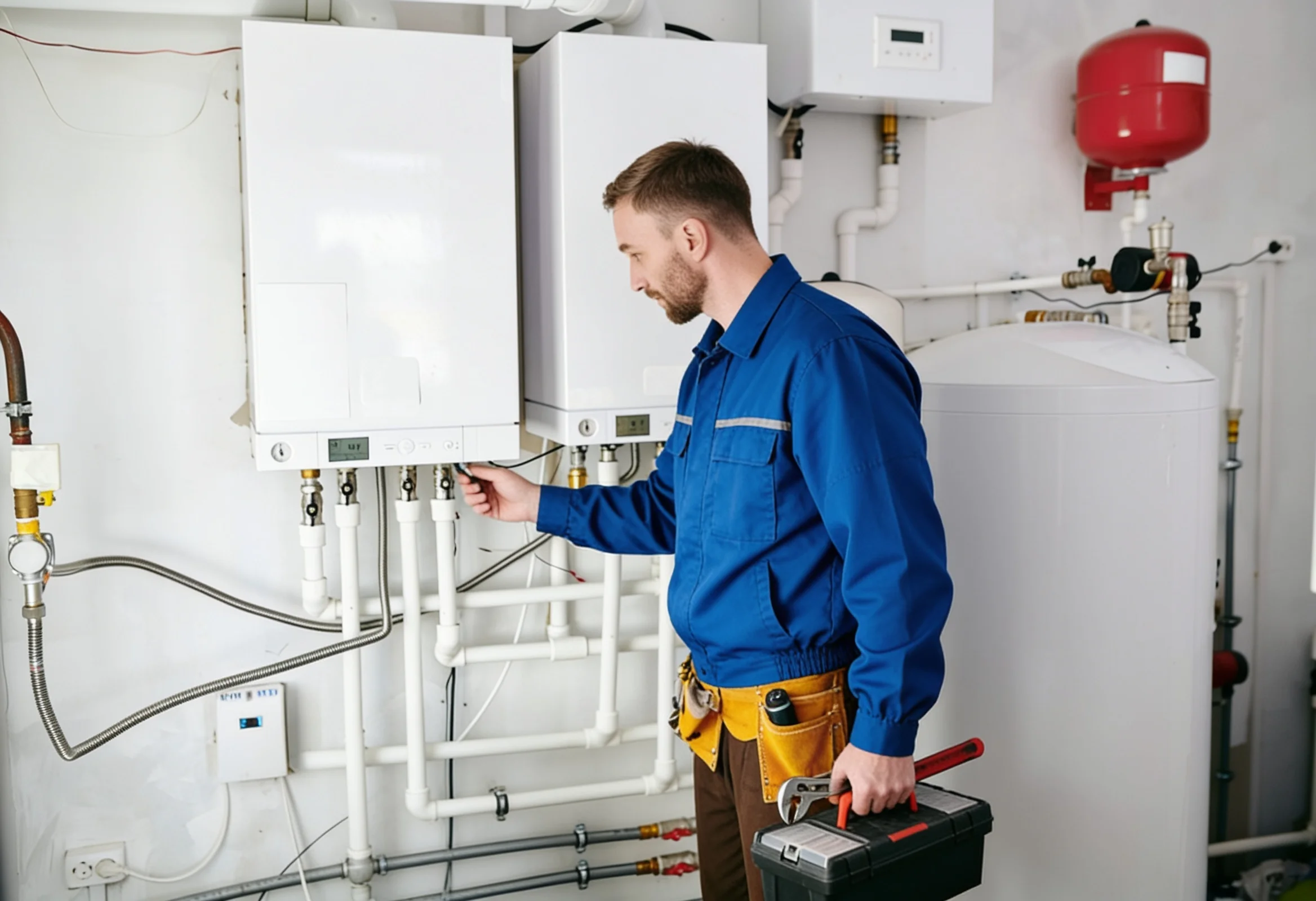
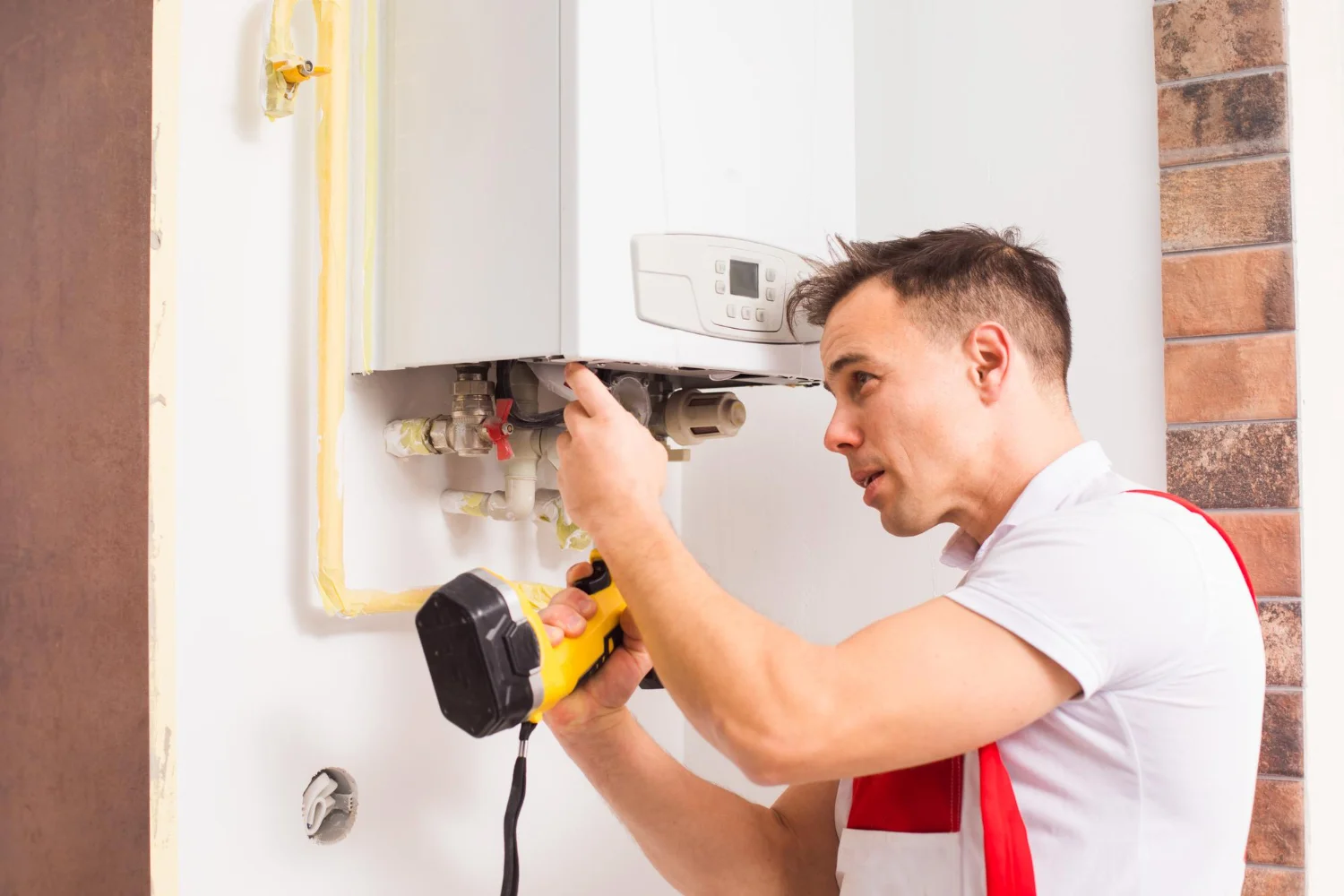
Which fuel powers your boiler?
At a glance
Understanding what your boiler is trying to tell you can help prevent expensive repairs, emergency callouts, and long periods without heating. Some problems are straightforward to fix when caught early, while others can quickly develop into larger mechanical faults if ignored.
If you are concerned about unusual boiler behaviour, speaking to a qualified engineer early can often reduce repair costs and prevent unnecessary downtime.
If you would like professional advice about an ongoing heating issue, contact our team to arrange an inspection.
What Are the Most Common Boiler Warning Signs?
Many heating systems show similar symptoms before a breakdown occurs. The challenge for homeowners is recognising which signs need attention sooner rather than later.
Some of the most common warning signs include:
- Banging, whistling, or vibrating noises
- Slow heating or uneven radiator temperatures
- Hot water cutting in and out
- Unexpected pressure loss
- Leaks around the boiler
- Pilot light or ignition issues
- Error codes appearing regularly
- Rising energy bills without increased usage
While one isolated issue may not always indicate a major fault, multiple symptoms appearing together usually suggest the system needs professional attention.
Why Does a Boiler Start Making Unusual Noises?
Modern boilers are designed to operate quietly. If new sounds suddenly appear, it often points to an internal issue developing.
Different noises can indicate different problems:
Noise Type | Possible Cause | Potential Risk |
Banging | Limescale or trapped air | Reduced efficiency |
Whistling | Pressure imbalance | Pump strain |
Gurgling | Air in the system | Poor circulation |
Clicking | Ignition fault | Boiler failing to start |
Vibrating | Loose components | Further mechanical wear |
In areas with hard water, kettling is particularly common. This happens when limescale builds up around the heat exchanger, causing overheating and restricted water flow.
Ignoring unusual sounds can increase wear on key components and eventually lead to a full system shutdown.
Is Low Boiler Pressure Always a Serious Problem?
Pressure drops are one of the most common reasons homeowners seek help with boiler repair ashford services. In some cases, repressurising the system resolves the issue temporarily, but repeated pressure loss usually points to an underlying fault.
Common causes include:
- Small system leaks
- Faulty pressure relief valves
- Expansion vessel problems
- Bleeding radiators too frequently
- Internal component wear
A boiler that constantly loses pressure should always be investigated properly rather than repeatedly topped up. Over time, hidden leaks can damage flooring, walls, and pipework if left untreated.
What Happens If You Ignore Minor Heating Problems?
Small heating faults rarely stay small for long. Boilers operate under pressure and rely on multiple parts working together correctly. When one component begins failing, it often places extra strain on others.
For example:
- A struggling pump can affect circulation
- Low pressure can impact ignition
- Sludge build-up can damage heat exchangers
- Faulty thermostats can overwork the boiler
Many emergency breakdowns start with issues that homeowners noticed weeks or months earlier.
Delaying repairs can also affect household running costs. Boilers operating inefficiently often consume more energy while delivering poorer performance.
Which fuel powers your boiler?
It just takes 2 minutes
And then you can book a free consultation
Could Uneven Heating Mean Your Boiler Is Failing?
Cold spots on radiators or rooms heating unevenly are sometimes blamed on the property itself, but they can also indicate wider heating system issues.
Several problems may contribute to uneven heating:
Sludge and debris
Older systems can develop internal sludge build-up, restricting circulation through radiators.
Air trapped in the system
Air pockets prevent hot water from moving effectively around the home.
Pump performance issues
A weakening pump may struggle to distribute heat evenly.
Thermostat or valve faults
Controls that no longer regulate temperature correctly can create inconsistent heating patterns.
If multiple radiators remain cold despite bleeding them regularly, it may be time for further investigation.
How Can Leaks Around a Boiler Become Dangerous?
Even small leaks should never be ignored. Water escaping from a boiler can damage internal electrical components and increase the likelihood of corrosion.
In some situations, leaks may come from:
- Seals beginning to fail
- Corroded pipe connections
- Cracked heat exchangers
- Excess pressure within the system
Visible water around the boiler casing is not considered normal operation. While some leaks appear minor initially, they often worsen over time.
A qualified engineer can identify whether the issue is repairable or if larger component replacement may be required.
When Should You Call an Engineer?
Homeowners often wait until heating or hot water completely stops before arranging a visit. However, earlier intervention usually gives more repair options and can reduce disruption.
You should consider professional help if:
- The boiler regularly resets itself
- Error codes appear repeatedly
- Pressure keeps dropping
- Strange smells are noticeable
- Hot water becomes unreliable
- Heating takes longer than normal
- Radiators stay cold despite bleeding
A professional inspection can determine whether the problem is isolated or part of a larger system issue.
For some properties, a repair may restore reliable performance quickly. In older systems with repeated faults, replacement discussions may become more practical.
A Typical Example From an Older Ashford Property
Many older homes across Ashford and parts of Kent still operate ageing heating systems that have received only basic maintenance over the years.
One common example involves a homeowner noticing occasional pressure loss and intermittent hot water. Initially, the system continued functioning after repressurising the boiler, so the issue was ignored.
Over several months:
- Pressure loss became more frequent
- Radiators developed cold spots
- Boiler noises increased
- Hot water became inconsistent
Eventually, the system failed completely during winter due to a damaged internal component caused by prolonged strain.
Earlier diagnosis could often reduce the extent of repairs needed in situations like this.
Can Regular Servicing Help Prevent Boiler Faults?
Annual servicing remains one of the best ways to identify developing issues before they become major problems.
A routine service may include:
- Checking internal components
- Testing pressure levels
- Inspecting seals and pipework
- Cleaning essential parts
- Assessing overall boiler performance
- Identifying early wear and corrosion
Servicing also helps maintain efficiency, which may reduce ongoing energy costs.
Homeowners sometimes assume servicing is unnecessary if the boiler appears to work normally, but many internal problems develop gradually without obvious warning signs initially.
What Should Ashford Homeowners Do Next?
If your heating system has started behaving differently, acting early is usually the safest and most cost-effective approach. Strange noises, leaks, pressure loss, and unreliable heating rarely resolve themselves without intervention.
Seeking advice sooner can help determine whether the issue requires a minor fix, system cleaning, or more extensive work. It may also prevent further damage to surrounding components.
The Ashford Boiler Company supports homeowners with professional diagnostics, maintenance, and boiler repair services tailored to the condition of the system and the needs of the property.
To discuss ongoing heating concerns or arrange an inspection, speak to The Ashford Boiler Company for tailored guidance and support.