
Combi Boiler Replacement in Ashford for Unreliable Hot Water
Reliable hot water is something most homeowners barely think about until it suddenly becomes inconsistent. Showers turning cold unexpectedly, taps taking longer to warm up, or fluctuating water temperatures can quickly become frustrating signs that a heating system is struggling.

Why you can trust our content
We understand that the boiler industry can be confusing, with plenty of outdated or misleading information. That’s why we rely only on trusted, proven sources to guide our advice and installations:
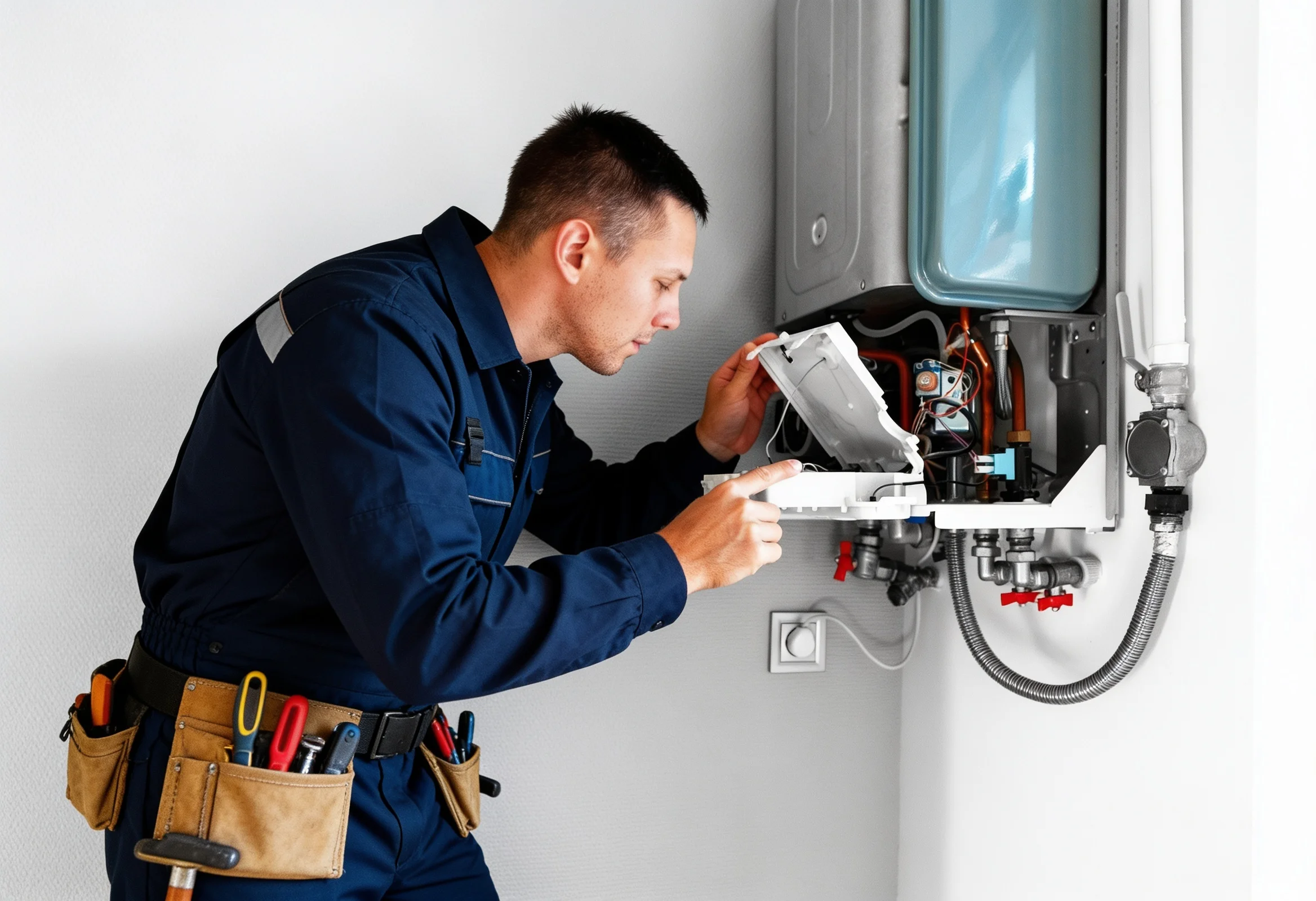
In many Ashford homes, these issues develop gradually as boilers age. Homeowners often adapt to declining performance without realising that the system may be approaching the point where replacement becomes more practical than continued repairs.
Understanding when unreliable hot water points towards wider boiler problems can help households avoid unexpected breakdowns and plan replacement more effectively.
If your boiler has started struggling to provide reliable hot water, our team can help assess whether repair or replacement is the most practical option.
Why Does Hot Water Become Unreliable?
Hot water issues can develop for several reasons, some relatively minor and others linked to wider system deterioration.
Common causes include:
- Ageing internal components
- Heat exchanger problems
- Low water pressure
- Faulty diverter valves
- Limescale build-up
- Sludge within the heating system
- Reduced boiler efficiency
In some cases, repairs may restore performance temporarily. However, repeated hot water problems often indicate that the boiler is under increasing strain overall.
Older combi systems can struggle particularly during colder months when heating and hot water demand both increase.
When Does a Boiler Stop Being Reliable?
A single fault does not necessarily mean replacement is needed immediately. However, recurring issues usually suggest that the system is deteriorating over time.
Homeowners often notice patterns such as:
|
Warning Sign |
What It May Indicate |
|
Hot water temperature changes |
Internal component wear |
|
Boiler resetting regularly |
Electrical or pressure issues |
|
Reduced water flow |
Blockages or limescale |
|
Delayed hot water response |
Efficiency decline |
|
Repeated repairs |
Age-related deterioration |
If multiple problems appear together, installers may recommend considering replacement rather than continuing short-term fixes.
For many households, reliability becomes just as important as repair cost when evaluating heating options.
Why Do Older Combi Boilers Struggle Over Time?
As boilers age, components gradually experience wear from years of heating demand and constant pressure changes.
Over time, this can lead to:
- Reduced efficiency
- Slower hot water delivery
- Inconsistent temperatures
- Increased strain on internal parts
- Greater risk of breakdowns
Older boilers may also struggle to keep up with modern household demand, particularly in homes where additional bathrooms, showers, or appliances have been added since the original installation.
For some properties, upgrading to a more suitable system can significantly improve daily comfort and performance.
Which fuel powers your boiler?
It just takes 2 minutes
And then you can book a free consultation
Could Repeated Repairs Become More Expensive Than Replacement?
Yes. Many homeowners continue repairing an ageing boiler because individual repair bills appear manageable at first.
However, recurring faults can gradually lead to:
- Multiple engineer visits
- Increased labour costs
- Difficulty sourcing older parts
- Ongoing heating disruption
- Uncertain long-term reliability
Eventually, the cumulative cost and inconvenience of ongoing repairs may outweigh the value of keeping the existing boiler operational.
This is one reason many homeowners begin exploring combi boiler replacement ashford services after repeated hot water issues develop.
What Should Homeowners Consider Before Replacement?
Replacing a boiler involves more than selecting a new appliance.
Before installation begins, homeowners should consider:
- Property size
- Number of bathrooms
- Hot water demand
- Existing heating system condition
- Future household requirements
- Available space for installation
Choosing the right boiler output is particularly important. An undersized system may continue struggling with demand, while an oversized boiler may operate inefficiently.
A professional survey helps determine which setup best suits the property’s needs.
If you are considering a replacement system, speak to our team for tailored advice based on your property’s heating and hot water requirements.
What Happens During a Boiler Survey?
A heating survey allows installers to assess the current system properly before recommending a replacement.
This may involve:
- Reviewing existing boiler performance
- Inspecting radiators and pipework
- Assessing hot water usage
- Calculating heating demand
- Checking flue arrangements
- Evaluating system pressure
The goal is to ensure the replacement boiler is correctly matched to the property rather than simply replicating the old installation.
During surveys, engineers may also identify wider heating issues such as sludge, circulation problems, or ageing controls that could affect future performance.
Can a New Combi Boiler Improve Daily Comfort?
For many households, upgrading to a new combi boiler ashford homeowners can rely on provides noticeable improvements in day-to-day heating performance.
Potential benefits may include:
- Faster hot water delivery
- More stable temperatures
- Better energy efficiency
- Improved pressure consistency
- Quieter operation
- Reduced breakdown risk
Modern boilers are generally designed to operate more efficiently than older systems installed many years ago.
However, installation quality and heating system condition still play an important role in achieving reliable long-term performance.
A Typical Example of Hot Water Problems Escalating
A homeowner notices their shower temperature fluctuating regularly during the mornings. Initially, the issue only occurs occasionally, so no action is taken.
Over several months:
- Hot water response becomes slower
- Pressure begins dropping
- Boiler lockouts become more frequent
- Heating performance declines
Eventually, the system fails completely during winter.
A heating survey later identifies multiple age-related component issues alongside reduced overall efficiency. Although repairs remain technically possible, replacement becomes the more practical long-term solution.
Situations like this are common in older properties where boilers have received repeated temporary repairs over time.
How Can Homeowners Reduce Future Heating Disruption?
Planning ahead before a complete breakdown occurs usually provides more flexibility and less stress.
Practical steps include:
- Monitoring recurring faults carefully
- Booking annual servicing
- Asking engineers about boiler lifespan
- Investigating replacement options early
- Understanding warranty coverage
- Arranging surveys before winter
Even if immediate replacement is not required, understanding the condition of the system helps homeowners prepare more confidently for future heating decisions.
What Should Homeowners Do Next?
If your hot water has become unreliable or your combi boiler is struggling to keep up with household demand, arranging a professional heating assessment can help clarify the most practical next steps.
A survey can identify whether repairs remain worthwhile or if replacement would provide better long-term reliability, efficiency, and comfort.
The Ashford Boiler Company supports homeowners with tailored heating advice, professional surveys, and reliable installation guidance designed around the needs of the property and household.
To discuss your current heating system or request a tailored quotation, contact The Ashford Boiler Company for expert support and guidance.
Related articles



Which fuel powers your boiler?
At a glance
In many Ashford homes, these issues develop gradually as boilers age. Homeowners often adapt to declining performance without realising that the system may be approaching the point where replacement becomes more practical than continued repairs.
Understanding when unreliable hot water points towards wider boiler problems can help households avoid unexpected breakdowns and plan replacement more effectively.
If your boiler has started struggling to provide reliable hot water, our team can help assess whether repair or replacement is the most practical option.
Why Does Hot Water Become Unreliable?
Hot water issues can develop for several reasons, some relatively minor and others linked to wider system deterioration.
Common causes include:
- Ageing internal components
- Heat exchanger problems
- Low water pressure
- Faulty diverter valves
- Limescale build-up
- Sludge within the heating system
- Reduced boiler efficiency
In some cases, repairs may restore performance temporarily. However, repeated hot water problems often indicate that the boiler is under increasing strain overall.
Older combi systems can struggle particularly during colder months when heating and hot water demand both increase.
When Does a Boiler Stop Being Reliable?
A single fault does not necessarily mean replacement is needed immediately. However, recurring issues usually suggest that the system is deteriorating over time.
Homeowners often notice patterns such as:
|
Warning Sign |
What It May Indicate |
|
Hot water temperature changes |
Internal component wear |
|
Boiler resetting regularly |
Electrical or pressure issues |
|
Reduced water flow |
Blockages or limescale |
|
Delayed hot water response |
Efficiency decline |
|
Repeated repairs |
Age-related deterioration |
If multiple problems appear together, installers may recommend considering replacement rather than continuing short-term fixes.
For many households, reliability becomes just as important as repair cost when evaluating heating options.
Why Do Older Combi Boilers Struggle Over Time?
As boilers age, components gradually experience wear from years of heating demand and constant pressure changes.
Over time, this can lead to:
- Reduced efficiency
- Slower hot water delivery
- Inconsistent temperatures
- Increased strain on internal parts
- Greater risk of breakdowns
Older boilers may also struggle to keep up with modern household demand, particularly in homes where additional bathrooms, showers, or appliances have been added since the original installation.
For some properties, upgrading to a more suitable system can significantly improve daily comfort and performance.
Which fuel powers your boiler?
It just takes 2 minutes
And then you can book a free consultation
Could Repeated Repairs Become More Expensive Than Replacement?
Yes. Many homeowners continue repairing an ageing boiler because individual repair bills appear manageable at first.
However, recurring faults can gradually lead to:
- Multiple engineer visits
- Increased labour costs
- Difficulty sourcing older parts
- Ongoing heating disruption
- Uncertain long-term reliability
Eventually, the cumulative cost and inconvenience of ongoing repairs may outweigh the value of keeping the existing boiler operational.
This is one reason many homeowners begin exploring combi boiler replacement ashford services after repeated hot water issues develop.
What Should Homeowners Consider Before Replacement?
Replacing a boiler involves more than selecting a new appliance.
Before installation begins, homeowners should consider:
- Property size
- Number of bathrooms
- Hot water demand
- Existing heating system condition
- Future household requirements
- Available space for installation
Choosing the right boiler output is particularly important. An undersized system may continue struggling with demand, while an oversized boiler may operate inefficiently.
A professional survey helps determine which setup best suits the property’s needs.
If you are considering a replacement system, speak to our team for tailored advice based on your property’s heating and hot water requirements.
What Happens During a Boiler Survey?
A heating survey allows installers to assess the current system properly before recommending a replacement.
This may involve:
- Reviewing existing boiler performance
- Inspecting radiators and pipework
- Assessing hot water usage
- Calculating heating demand
- Checking flue arrangements
- Evaluating system pressure
The goal is to ensure the replacement boiler is correctly matched to the property rather than simply replicating the old installation.
During surveys, engineers may also identify wider heating issues such as sludge, circulation problems, or ageing controls that could affect future performance.
Can a New Combi Boiler Improve Daily Comfort?
For many households, upgrading to a new combi boiler ashford homeowners can rely on provides noticeable improvements in day-to-day heating performance.
Potential benefits may include:
- Faster hot water delivery
- More stable temperatures
- Better energy efficiency
- Improved pressure consistency
- Quieter operation
- Reduced breakdown risk
Modern boilers are generally designed to operate more efficiently than older systems installed many years ago.
However, installation quality and heating system condition still play an important role in achieving reliable long-term performance.
A Typical Example of Hot Water Problems Escalating
A homeowner notices their shower temperature fluctuating regularly during the mornings. Initially, the issue only occurs occasionally, so no action is taken.
Over several months:
- Hot water response becomes slower
- Pressure begins dropping
- Boiler lockouts become more frequent
- Heating performance declines
Eventually, the system fails completely during winter.
A heating survey later identifies multiple age-related component issues alongside reduced overall efficiency. Although repairs remain technically possible, replacement becomes the more practical long-term solution.
Situations like this are common in older properties where boilers have received repeated temporary repairs over time.
How Can Homeowners Reduce Future Heating Disruption?
Planning ahead before a complete breakdown occurs usually provides more flexibility and less stress.
Practical steps include:
- Monitoring recurring faults carefully
- Booking annual servicing
- Asking engineers about boiler lifespan
- Investigating replacement options early
- Understanding warranty coverage
- Arranging surveys before winter
Even if immediate replacement is not required, understanding the condition of the system helps homeowners prepare more confidently for future heating decisions.
What Should Homeowners Do Next?
If your hot water has become unreliable or your combi boiler is struggling to keep up with household demand, arranging a professional heating assessment can help clarify the most practical next steps.
A survey can identify whether repairs remain worthwhile or if replacement would provide better long-term reliability, efficiency, and comfort.
The Ashford Boiler Company supports homeowners with tailored heating advice, professional surveys, and reliable installation guidance designed around the needs of the property and household.
To discuss your current heating system or request a tailored quotation, contact The Ashford Boiler Company for expert support and guidance.