
Combi Boiler Installation in Ashford: Getting the Right Boiler Spec First Time
Many homeowners focus heavily on price or brand, but selecting the wrong boiler size or setup can create problems long after installation is complete. A boiler that is too small may struggle to keep up with demand, while an oversized system can waste energy unnecessarily. Understanding how installers assess heating requirements can help homeowners make…

Why you can trust our content
We understand that the boiler industry can be confusing, with plenty of outdated or misleading information. That’s why we rely only on trusted, proven sources to guide our advice and installations:
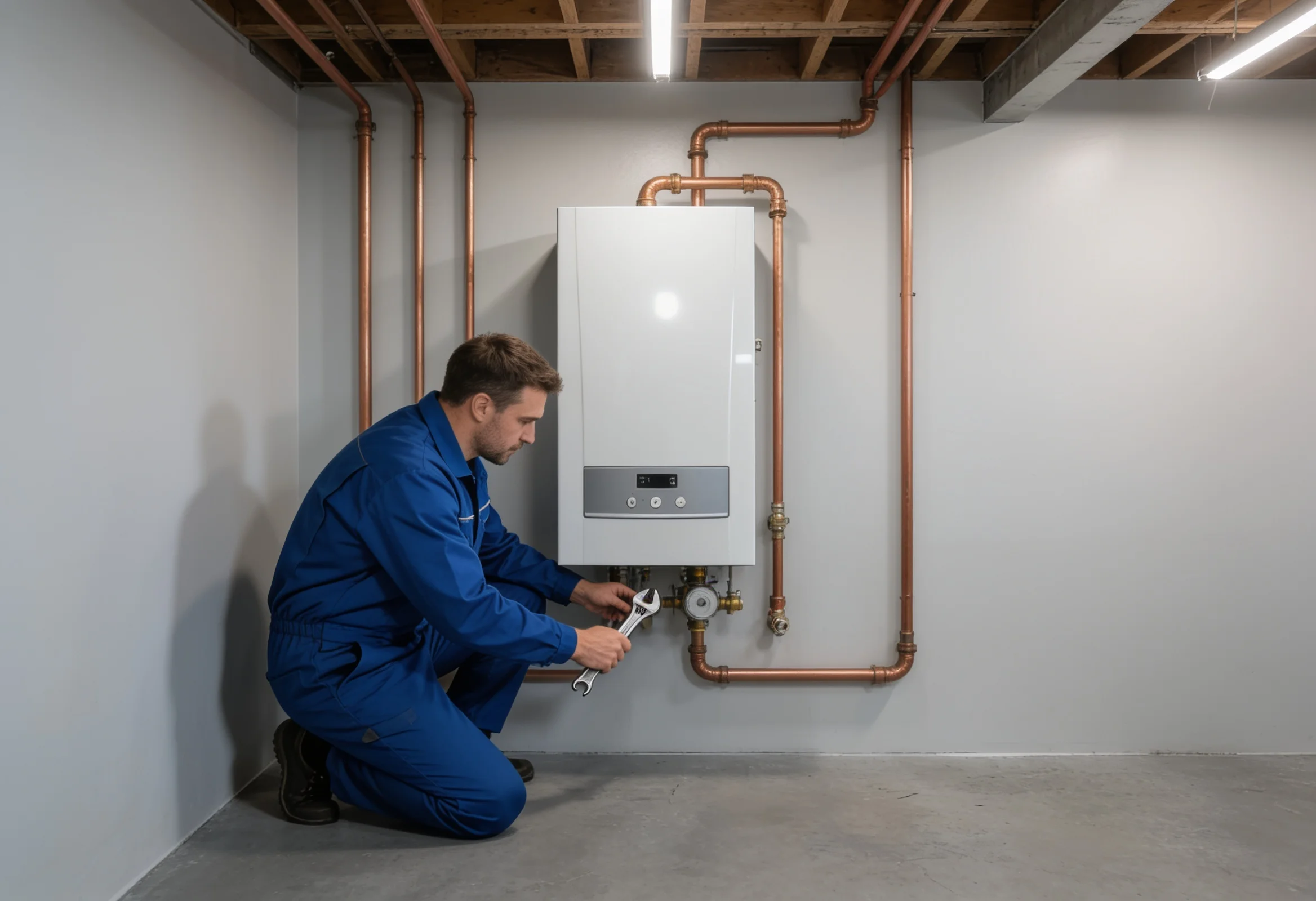
Many homeowners focus heavily on price or brand, but selecting the wrong boiler size or setup can create problems long after installation is complete. A boiler that is too small may struggle to keep up with demand, while an oversized system can waste energy unnecessarily.
Understanding how installers assess heating requirements can help homeowners make more confident decisions when planning a combi boiler installation ashford property owners can rely on for years to come.
If you are considering a heating upgrade and want expert advice tailored to your home, contact our team at The Ashford Boiler Company.
What Is a Combi Boiler?
A combi boiler provides both heating and hot water directly from the mains supply without needing a separate hot water cylinder or storage tank.
This makes combi systems popular in many homes because they:
- Save space
- Provide hot water on demand
- Reduce pipework complexity
- Improve efficiency in suitable properties
However, not every combi boiler suits every home. Proper sizing and specification are essential.
Why Does Boiler Specification Matter?
The specification determines how well the boiler matches your household’s heating and hot water needs.
Choosing the wrong specification can lead to:
- Poor water pressure
- Inconsistent heating
- Increased energy usage
- Reduced efficiency
- Premature wear on components
A professional installer should assess the property properly before recommending a system.
How Is the Right Boiler Size Chosen?
Boiler sizing depends on more than simply property size.
Installers usually consider:
- Number of radiators
- Bathrooms and showers
- Hot water demand
- Insulation levels
- Existing heating system condition
For example, a small flat with one bathroom will usually need a much lower output than a larger family home with multiple bathrooms.
When planning a new combi boiler ashford homeowners should avoid choosing solely based on boiler price or brand popularity.
Which fuel powers your boiler?
It just takes 2 minutes
And then you can book a free consultation
Can a Boiler Be Too Powerful?
Yes.
Many people assume a larger boiler automatically performs better, but oversized systems can become inefficient if they constantly cycle on and off unnecessarily.
An oversized boiler may:
- Use more energy
- Wear components faster
- Increase running costs
Correct sizing is about matching the boiler to the actual heating demand of the property.
What Questions Should You Ask Before Installation?
Is the Boiler Suitable for Future Needs?
Think about whether your household may change in the coming years.
For example:
- Will additional bathrooms be added?
- Is a loft conversion planned?
- Could heating demand increase?
A good installer should discuss future requirements as well as current usage.
Are New Controls Included?
Modern controls can improve efficiency significantly.
Your installation may include:
- Smart thermostats
- Wireless controls
- Zoned heating systems
- Programmable timers
These upgrades can help improve comfort while reducing wasted energy.
Will the Existing Pipework Support the Boiler?
Older properties occasionally require pipework upgrades to support modern combi systems properly.
An installer should assess this during the survey stage.
Why Does Water Pressure Matter?
Combi boilers rely on adequate mains water pressure to provide strong hot water performance.
If pressure is too low, homeowners may experience:
- Weak shower performance
- Slow hot water delivery
- Inconsistent flow rates
This is why professional surveys are important before installation begins.
Should You Replace Radiators at the Same Time?
Not always, but it is sometimes worth considering.
Older radiators may:
- Heat unevenly
- Reduce efficiency
- Contain sludge buildup
In some homes, upgrading selected radiators alongside the boiler can improve overall heating performance.
What Additional Work May Be Required?
A boiler installation can involve more than simply fitting the appliance itself.
Additional work may include:
- System flushing
- Pipework adjustments
- Flue repositioning
- Condensate drainage upgrades
- Magnetic filter installation
These upgrades can help protect the system and improve long-term reliability.
How Long Does Combi Boiler Installation Take?
Installation times vary depending on the complexity of the project.
|
Installation Type |
Typical Timescale |
|
Straight combi swap |
1 day |
|
System conversion |
2-3 days |
|
Boiler relocation |
2-4 days |
|
Larger heating upgrade |
Several days |
Professional installers should explain realistic timescales clearly before work begins.
If you would like help choosing the right combi boiler specification for your property, speak to us today for practical advice and tailored recommendations.
Is Boiler Brand the Most Important Factor?
Boiler brand matters, but installation quality and correct specification are just as important.
A high-quality boiler installed incorrectly may still experience problems.
Reliable installers should focus on:
- Correct sizing
- Heating demand
- System condition
- Long-term efficiency
The best solution is usually the one that balances performance, reliability, and suitability for the property.
A Typical Example From an Ashford Property
A homeowner in Ashford recently planned to replace an ageing combi boiler after ongoing reliability issues.
Initially, they considered installing a larger boiler than necessary, assuming it would improve performance. During the survey, the installer identified that the property’s actual hot water demand was relatively modest.
Instead, a correctly sized combi boiler with upgraded controls was recommended. This improved efficiency while avoiding unnecessary running costs associated with an oversized system.
The homeowner also benefited from quieter operation and more stable heating performance throughout the property.
What Should a Professional Installation Include?
A proper installation should involve:
- Full system testing
- Boiler commissioning
- Safety checks
- Warranty registration
- User guidance on controls
Homeowners should also receive advice on servicing and maintaining the system properly after installation.
Choosing the right boiler specification is one of the most important parts of any heating upgrade. Proper sizing, professional installation, and clear advice can all help improve efficiency, comfort, and long-term reliability.
At The Ashford Boiler Company, we focus on providing tailored recommendations based on the needs of each property rather than offering one-size-fits-all solutions. Our team is always happy to guide homeowners through the installation process with clear advice and professional support.
To discuss your heating requirements or request a tailored quotation, contact The Ashford Boiler Company today.
Related articles


Which fuel powers your boiler?
At a glance
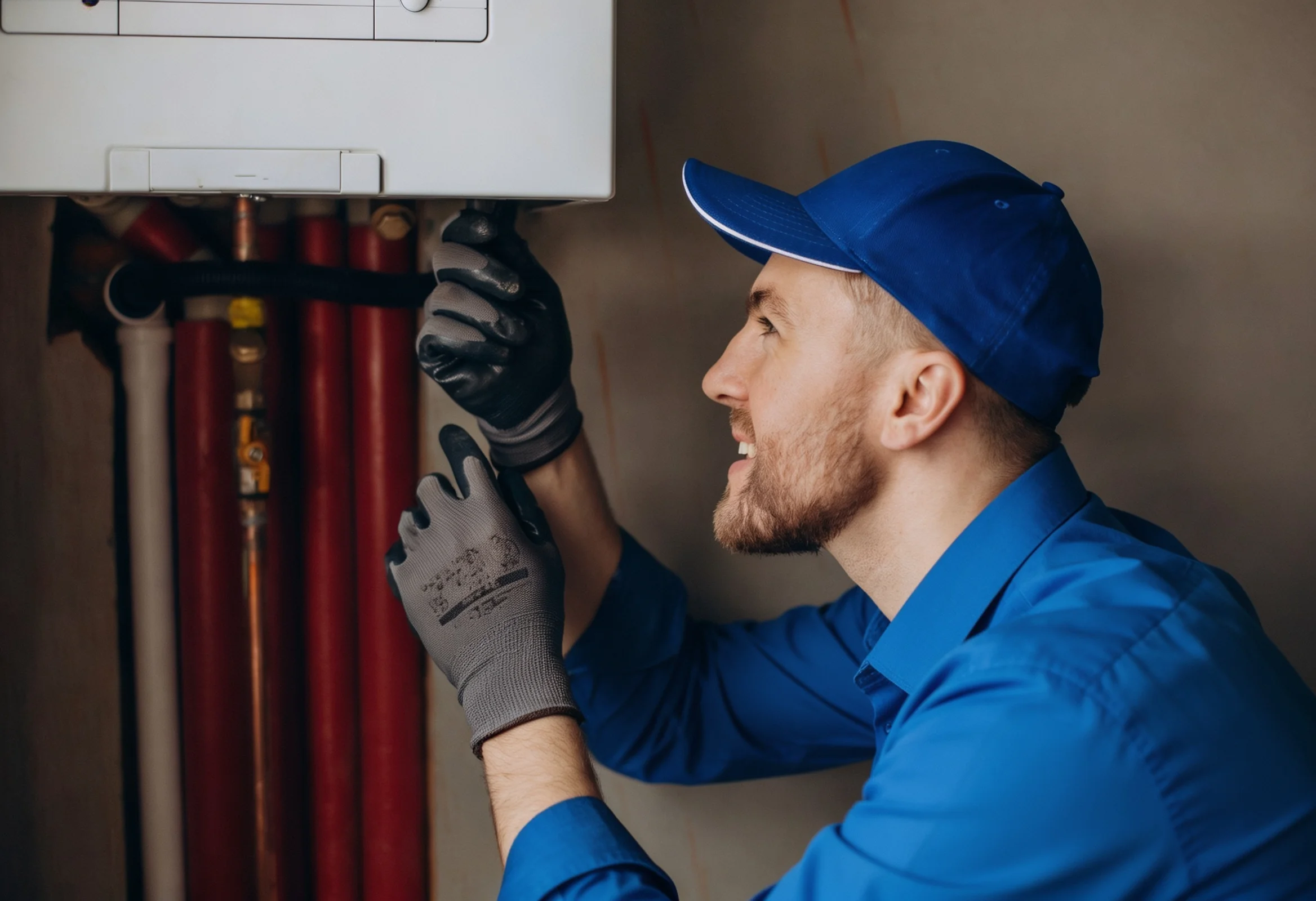
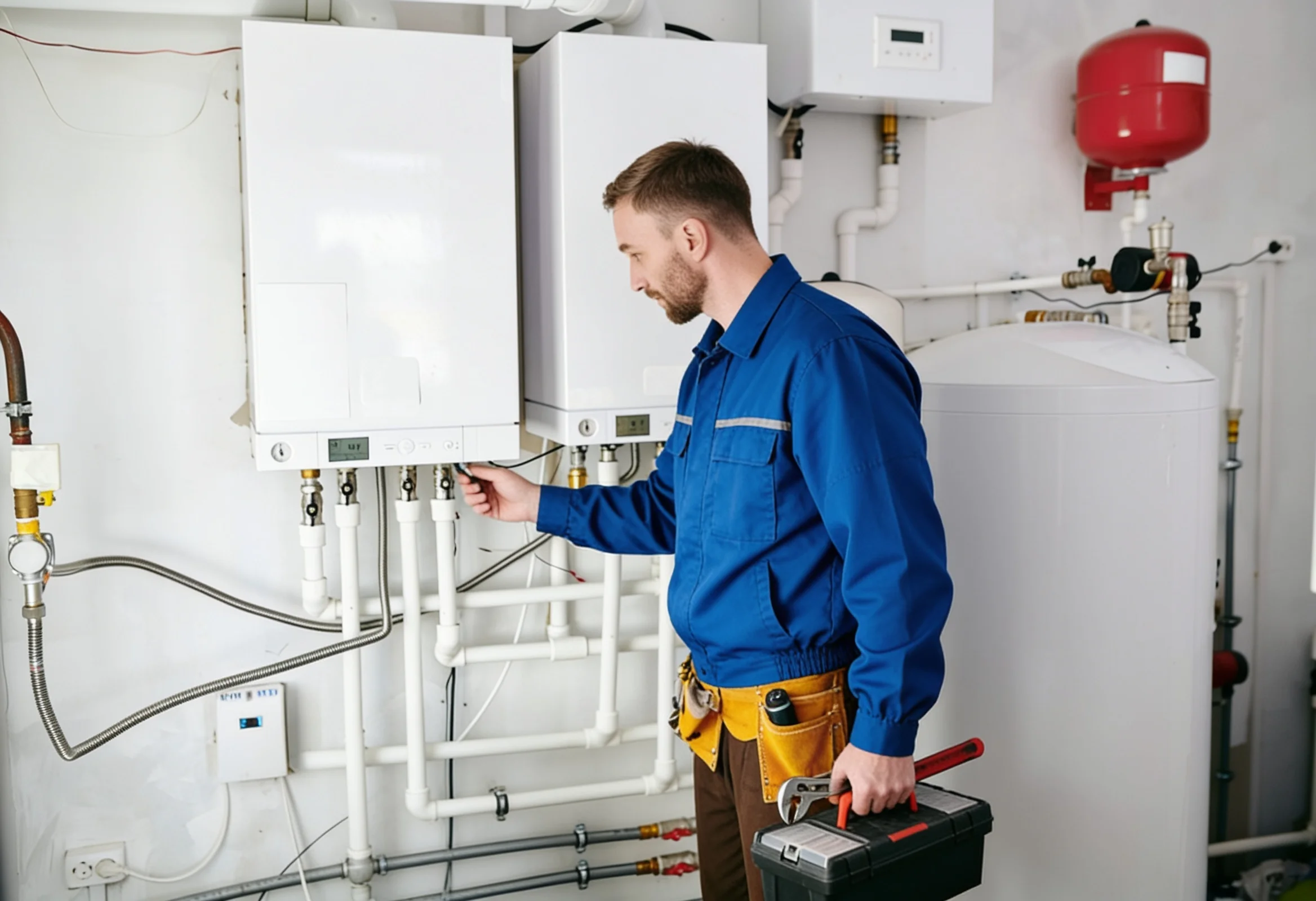
Many homeowners focus heavily on price or brand, but selecting the wrong boiler size or setup can create problems long after installation is complete. A boiler that is too small may struggle to keep up with demand, while an oversized system can waste energy unnecessarily.
Understanding how installers assess heating requirements can help homeowners make more confident decisions when planning a combi boiler installation ashford property owners can rely on for years to come.
If you are considering a heating upgrade and want expert advice tailored to your home, contact our team at The Ashford Boiler Company.
What Is a Combi Boiler?
A combi boiler provides both heating and hot water directly from the mains supply without needing a separate hot water cylinder or storage tank.
This makes combi systems popular in many homes because they:
- Save space
- Provide hot water on demand
- Reduce pipework complexity
- Improve efficiency in suitable properties
However, not every combi boiler suits every home. Proper sizing and specification are essential.
Why Does Boiler Specification Matter?
The specification determines how well the boiler matches your household’s heating and hot water needs.
Choosing the wrong specification can lead to:
- Poor water pressure
- Inconsistent heating
- Increased energy usage
- Reduced efficiency
- Premature wear on components
A professional installer should assess the property properly before recommending a system.
How Is the Right Boiler Size Chosen?
Boiler sizing depends on more than simply property size.
Installers usually consider:
- Number of radiators
- Bathrooms and showers
- Hot water demand
- Insulation levels
- Existing heating system condition
For example, a small flat with one bathroom will usually need a much lower output than a larger family home with multiple bathrooms.
When planning a new combi boiler ashford homeowners should avoid choosing solely based on boiler price or brand popularity.
Which fuel powers your boiler?
It just takes 2 minutes
And then you can book a free consultation
Can a Boiler Be Too Powerful?
Yes.
Many people assume a larger boiler automatically performs better, but oversized systems can become inefficient if they constantly cycle on and off unnecessarily.
An oversized boiler may:
- Use more energy
- Wear components faster
- Increase running costs
Correct sizing is about matching the boiler to the actual heating demand of the property.
What Questions Should You Ask Before Installation?
Is the Boiler Suitable for Future Needs?
Think about whether your household may change in the coming years.
For example:
- Will additional bathrooms be added?
- Is a loft conversion planned?
- Could heating demand increase?
A good installer should discuss future requirements as well as current usage.
Are New Controls Included?
Modern controls can improve efficiency significantly.
Your installation may include:
- Smart thermostats
- Wireless controls
- Zoned heating systems
- Programmable timers
These upgrades can help improve comfort while reducing wasted energy.
Will the Existing Pipework Support the Boiler?
Older properties occasionally require pipework upgrades to support modern combi systems properly.
An installer should assess this during the survey stage.
Why Does Water Pressure Matter?
Combi boilers rely on adequate mains water pressure to provide strong hot water performance.
If pressure is too low, homeowners may experience:
- Weak shower performance
- Slow hot water delivery
- Inconsistent flow rates
This is why professional surveys are important before installation begins.
Should You Replace Radiators at the Same Time?
Not always, but it is sometimes worth considering.
Older radiators may:
- Heat unevenly
- Reduce efficiency
- Contain sludge buildup
In some homes, upgrading selected radiators alongside the boiler can improve overall heating performance.
What Additional Work May Be Required?
A boiler installation can involve more than simply fitting the appliance itself.
Additional work may include:
- System flushing
- Pipework adjustments
- Flue repositioning
- Condensate drainage upgrades
- Magnetic filter installation
These upgrades can help protect the system and improve long-term reliability.
How Long Does Combi Boiler Installation Take?
Installation times vary depending on the complexity of the project.
|
Installation Type |
Typical Timescale |
|
Straight combi swap |
1 day |
|
System conversion |
2-3 days |
|
Boiler relocation |
2-4 days |
|
Larger heating upgrade |
Several days |
Professional installers should explain realistic timescales clearly before work begins.
If you would like help choosing the right combi boiler specification for your property, speak to us today for practical advice and tailored recommendations.
Is Boiler Brand the Most Important Factor?
Boiler brand matters, but installation quality and correct specification are just as important.
A high-quality boiler installed incorrectly may still experience problems.
Reliable installers should focus on:
- Correct sizing
- Heating demand
- System condition
- Long-term efficiency
The best solution is usually the one that balances performance, reliability, and suitability for the property.
A Typical Example From an Ashford Property
A homeowner in Ashford recently planned to replace an ageing combi boiler after ongoing reliability issues.
Initially, they considered installing a larger boiler than necessary, assuming it would improve performance. During the survey, the installer identified that the property’s actual hot water demand was relatively modest.
Instead, a correctly sized combi boiler with upgraded controls was recommended. This improved efficiency while avoiding unnecessary running costs associated with an oversized system.
The homeowner also benefited from quieter operation and more stable heating performance throughout the property.
What Should a Professional Installation Include?
A proper installation should involve:
- Full system testing
- Boiler commissioning
- Safety checks
- Warranty registration
- User guidance on controls
Homeowners should also receive advice on servicing and maintaining the system properly after installation.
Choosing the right boiler specification is one of the most important parts of any heating upgrade. Proper sizing, professional installation, and clear advice can all help improve efficiency, comfort, and long-term reliability.
At The Ashford Boiler Company, we focus on providing tailored recommendations based on the needs of each property rather than offering one-size-fits-all solutions. Our team is always happy to guide homeowners through the installation process with clear advice and professional support.
To discuss your heating requirements or request a tailored quotation, contact The Ashford Boiler Company today.