
Boiler Fitter Ashford Checklist: Measurements, Pipework and Hot Water Demand
Replacing a boiler is not simply a case of removing the old unit and fitting a new one in the same place. A proper installation starts with detailed checks that help ensure the heating system performs efficiently, safely and reliably for years to come.

Why you can trust our content
We understand that the boiler industry can be confusing, with plenty of outdated or misleading information. That’s why we rely only on trusted, proven sources to guide our advice and installations:
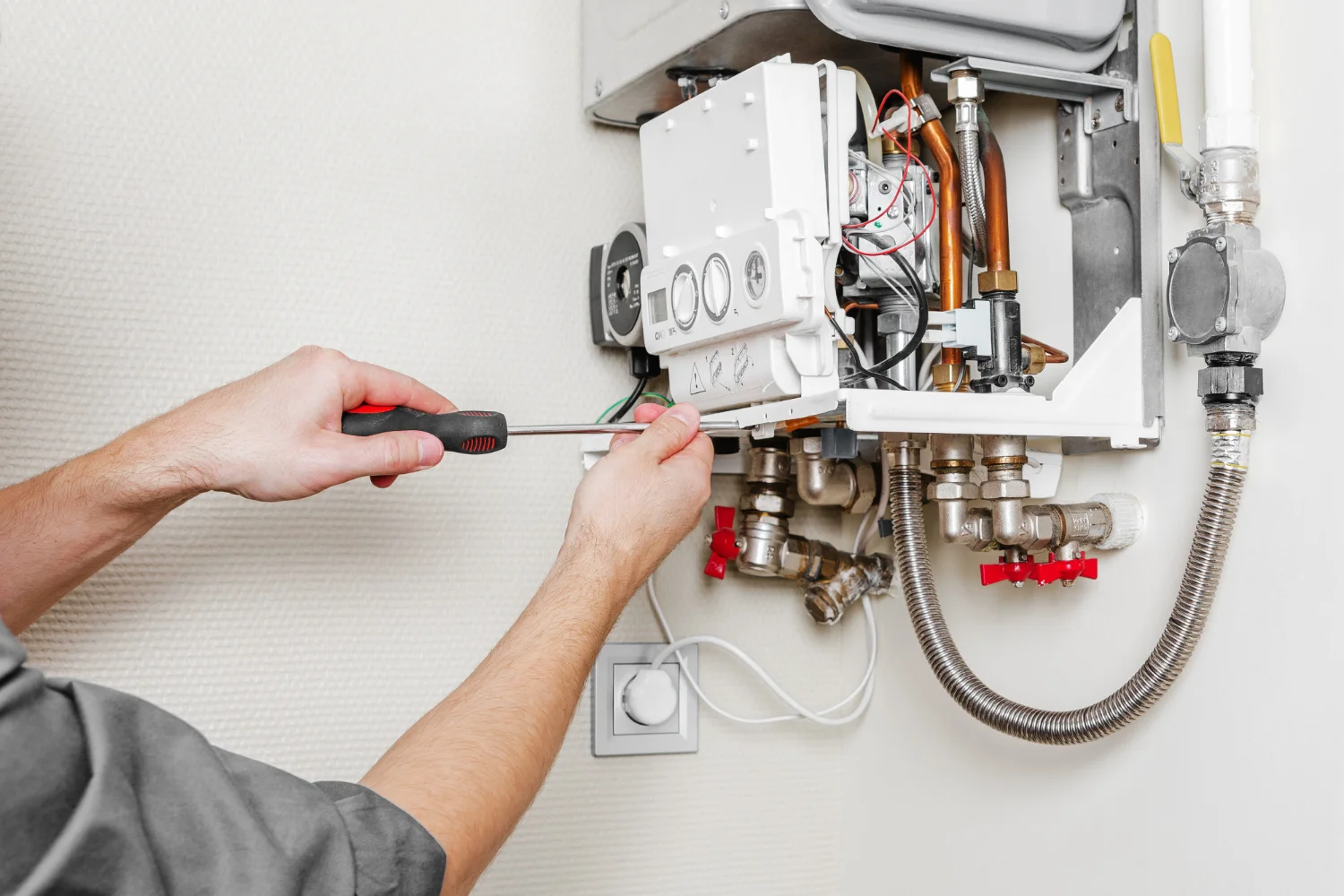
Many homeowners focus on boiler brand or price first, but the preparation stage is just as important. Measurements, pipework condition and hot water demand all influence how well the system will work once installed.
Understanding what an installer assesses before the work begins can help homeowners feel more confident when planning an upgrade.
What Does a Boiler Survey Actually Include?
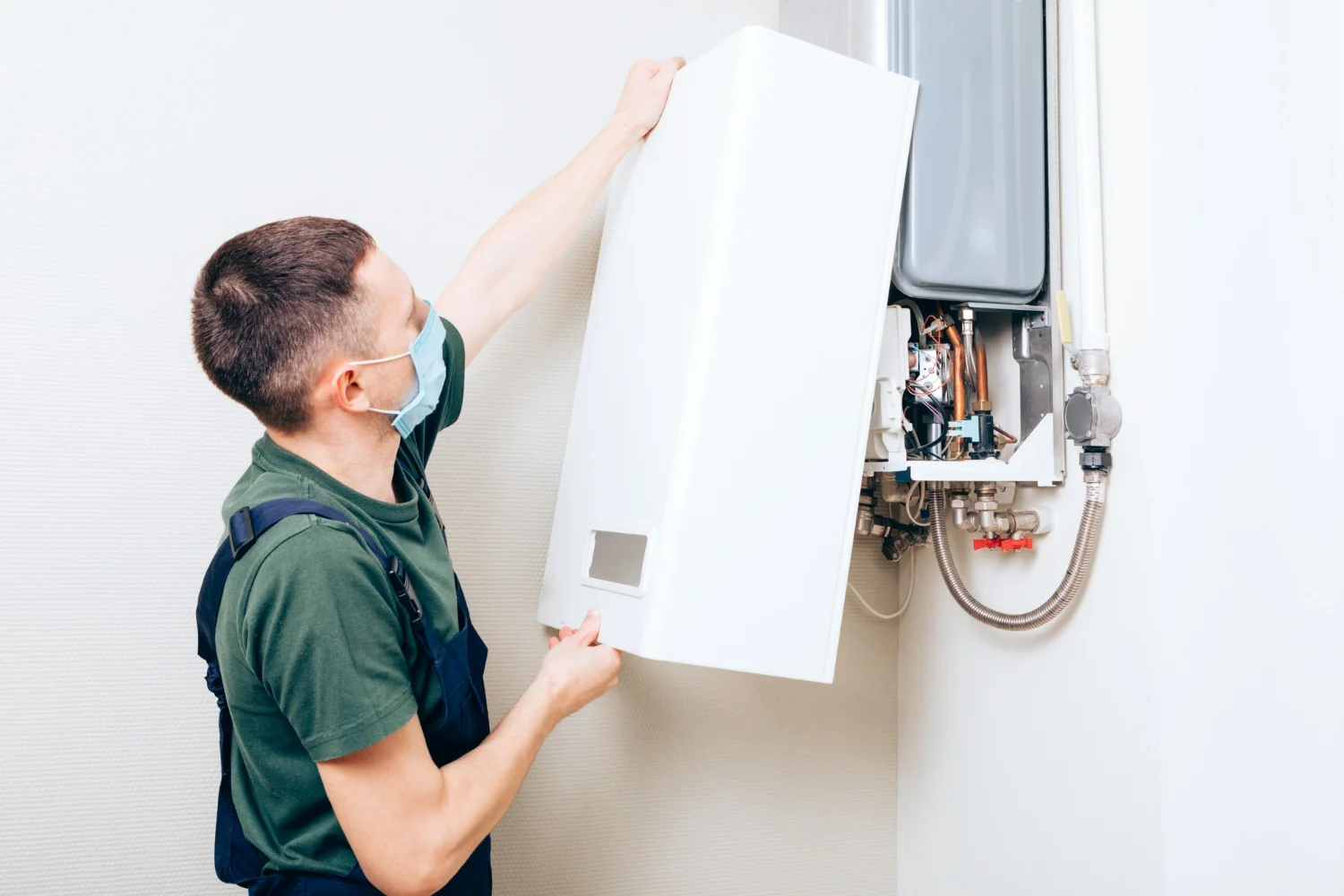
A professional heating survey looks at the whole property rather than only the existing boiler. The aim is to make sure the new system suits the home properly and delivers consistent heating and hot water performance.
A typical pre-installation survey may include:
- Boiler output calculations
- Radiator assessment
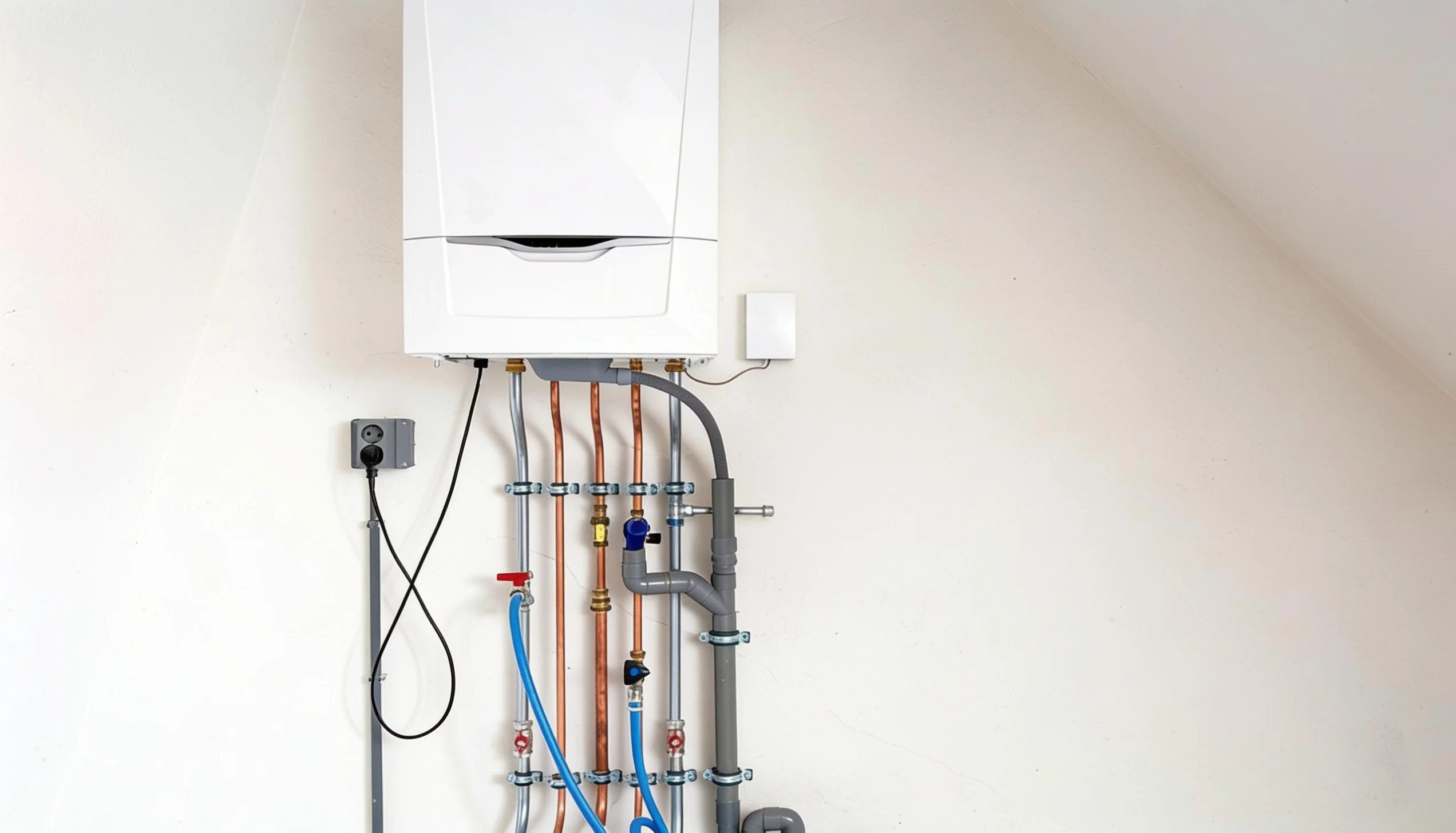
- Pipework inspection
- Water pressure checks
- Gas supply testing
- Flue positioning
- Hot water usage review
- Boiler location suitability
An experienced boiler fitter ashford homeowners trust will normally explain why each check matters before recommending a specific setup.
If you are planning a heating upgrade, contact our team for a detailed property assessment and tailored installation advice.
Why Are Boiler Measurements So Important?
Correct sizing is one of the most important parts of a successful installation. A boiler that is too small may struggle during winter, while an oversized system can waste energy and cycle on and off unnecessarily.
Installers usually calculate heating demand based on factors such as:
|
Property Factor |
Why It Matters |
|
Number of radiators |
Affects overall heating requirement |
|
Property size |
Larger homes need greater output |
|
Insulation quality |
Poor insulation increases heat loss |
|
Number of bathrooms |
Higher hot water demand |
|
Window type |
Older glazing can reduce efficiency |
|
Household size |
More occupants usually means higher usage |
The final recommendation should balance efficiency with long-term reliability.
Which fuel powers your boiler?
It just takes 2 minutes
And then you can book a free consultation
How Does Pipework Affect Boiler Performance?
Pipework is often overlooked during boiler replacement discussions, but older pipes can reduce system performance if left unchecked.
Problems sometimes found during surveys include:
- Corroded pipework
- Incorrect pipe sizing
- Sludge build-up
- Poor circulation
- Leaks or weak joints
Modern boilers operate differently from older systems and may require cleaner, more efficient circulation to achieve the best performance.
In some cases, upgrading sections of pipework during a combi boiler installation ashford project can improve reliability and heating balance across the property.
What Is Hot Water Demand and Why Does It Matter?
Hot water demand refers to how much hot water your household uses at peak times.
This is especially important when choosing between combi, system and regular boilers.
For example:
- A one-bathroom flat may comfortably run on a smaller combi boiler
- A family home with multiple showers may require higher output
- Simultaneous water use affects pressure and flow rate
An installer will usually ask questions about daily routines, including:
- How many people live in the property?
- Are multiple showers used at once?
- Is there a large bath?
- Do you regularly use hot water in several rooms together?
These details help avoid future issues such as poor shower pressure or fluctuating temperatures.
Should You Keep the Boiler in the Same Location?
Not always. Keeping the boiler in the same position may reduce labour costs, but relocation can sometimes improve practicality and system efficiency.
Possible reasons to move a boiler include:
- Easier servicing access
- Better flue positioning
- Freeing up kitchen space
- Improving pipework layout
- Reducing noise in living areas
A qualified boiler fitter ashford installers provide should explain both the benefits and costs of relocating the unit before work begins.
Considering a different boiler location during your upgrade? Speak to us today about the most practical setup for your property.
What Happens if Existing Radiators Are Too Small?
A new boiler can only perform properly if the radiators are capable of distributing heat effectively.
Older radiators sometimes struggle because:
- They are undersized
- Internal sludge restricts flow
- Valves no longer work efficiently
- Heat output no longer suits the property
During surveys, installers may recommend:
- Power flushing
- Replacing individual radiators
- Adding thermostatic radiator valves
- Upgrading circulation components
These improvements can help the whole heating system run more efficiently.
How Important Is Water Pressure?
Water pressure plays a major role in combi boiler performance. Because combi systems rely directly on mains pressure, poor incoming flow can affect shower strength and hot water consistency.
Installers normally test:
- Flow rate
- Static pressure
- Dynamic pressure
If pressure levels are unsuitable, alternative systems may be recommended instead of a combi setup.
This is why surveys are so important before committing to a specific boiler type.
Case Study: Upgrading an Older Semi-Detached Home
A common challenge in Ashford involves upgrading older semi-detached homes that still operate on ageing heating systems.
For example, a homeowner may request a straightforward combi replacement, only for the survey to reveal heavily sludged pipework and poor radiator circulation upstairs.
Rather than simply fitting the new unit onto the existing system, the installer may recommend:
- System cleaning
- Pipework improvements
- Radiator upgrades
- Smart thermostat installation
Although this adds work initially, it often improves heating balance and reduces the likelihood of future breakdowns.
A properly planned combi boiler installation ashford homeowners invest in should focus on whole-system performance rather than only the boiler itself.
What Questions Should You Ask Before Installation?
Homeowners often benefit from asking a few practical questions before work starts.
Is the boiler correctly sized for the property?
This helps avoid inefficiency or poor performance.
Will existing pipework support the new system?
Older systems may require upgrades.
What warranty is included?
Warranty length and servicing requirements can vary between manufacturers.
Will the system be flushed?
Cleaning the system helps protect the new boiler.
Are heating controls included?
Modern controls can improve efficiency and comfort.
Clear communication at this stage usually leads to a smoother installation process.
Can Good Preparation Reduce Future Repairs?
Yes. Many boiler issues develop because the wider heating system was not properly assessed during installation.
Problems linked to poor preparation can include:
- Uneven heating
- Low pressure
- Noisy pipework
- Reduced efficiency
- Component wear
- Repeated call-outs
A detailed survey helps identify these risks before installation begins.
For homeowners investing in long-term heating improvements, preparation is often just as valuable as the equipment itself.
If you are preparing for a heating upgrade, The Ashford Boiler Company can provide honest advice, detailed surveys and professional installation support tailored to your home.
A successful boiler installation starts long before the new unit arrives. Accurate measurements, healthy pipework and a realistic understanding of hot water demand all play a major role in how well the system performs over time.
Rather than rushing the process, a proper assessment helps ensure the heating setup matches the property and household lifestyle. The Ashford Boiler Company supports homeowners across Ashford with practical advice, detailed surveys and reliable installation planning designed around long-term performance and comfort.
Related articles
Which fuel powers your boiler?
At a glance
Many homeowners focus on boiler brand or price first, but the preparation stage is just as important. Measurements, pipework condition and hot water demand all influence how well the system will work once installed.
Understanding what an installer assesses before the work begins can help homeowners feel more confident when planning an upgrade.
What Does a Boiler Survey Actually Include?
A professional heating survey looks at the whole property rather than only the existing boiler. The aim is to make sure the new system suits the home properly and delivers consistent heating and hot water performance.
A typical pre-installation survey may include:
- Boiler output calculations
- Radiator assessment
- Pipework inspection
- Water pressure checks
- Gas supply testing
- Flue positioning
- Hot water usage review
- Boiler location suitability
An experienced boiler fitter ashford homeowners trust will normally explain why each check matters before recommending a specific setup.
If you are planning a heating upgrade, contact our team for a detailed property assessment and tailored installation advice.
Why Are Boiler Measurements So Important?
Correct sizing is one of the most important parts of a successful installation. A boiler that is too small may struggle during winter, while an oversized system can waste energy and cycle on and off unnecessarily.
Installers usually calculate heating demand based on factors such as:
|
Property Factor |
Why It Matters |
|
Number of radiators |
Affects overall heating requirement |
|
Property size |
Larger homes need greater output |
|
Insulation quality |
Poor insulation increases heat loss |
|
Number of bathrooms |
Higher hot water demand |
|
Window type |
Older glazing can reduce efficiency |
|
Household size |
More occupants usually means higher usage |
The final recommendation should balance efficiency with long-term reliability.
Which fuel powers your boiler?
It just takes 2 minutes
And then you can book a free consultation
How Does Pipework Affect Boiler Performance?
Pipework is often overlooked during boiler replacement discussions, but older pipes can reduce system performance if left unchecked.
Problems sometimes found during surveys include:
- Corroded pipework
- Incorrect pipe sizing
- Sludge build-up
- Poor circulation
- Leaks or weak joints
Modern boilers operate differently from older systems and may require cleaner, more efficient circulation to achieve the best performance.
In some cases, upgrading sections of pipework during a combi boiler installation ashford project can improve reliability and heating balance across the property.
What Is Hot Water Demand and Why Does It Matter?
Hot water demand refers to how much hot water your household uses at peak times.
This is especially important when choosing between combi, system and regular boilers.
For example:
- A one-bathroom flat may comfortably run on a smaller combi boiler
- A family home with multiple showers may require higher output
- Simultaneous water use affects pressure and flow rate
An installer will usually ask questions about daily routines, including:
- How many people live in the property?
- Are multiple showers used at once?
- Is there a large bath?
- Do you regularly use hot water in several rooms together?
These details help avoid future issues such as poor shower pressure or fluctuating temperatures.
Should You Keep the Boiler in the Same Location?
Not always. Keeping the boiler in the same position may reduce labour costs, but relocation can sometimes improve practicality and system efficiency.
Possible reasons to move a boiler include:
- Easier servicing access
- Better flue positioning
- Freeing up kitchen space
- Improving pipework layout
- Reducing noise in living areas
A qualified boiler fitter ashford installers provide should explain both the benefits and costs of relocating the unit before work begins.
Considering a different boiler location during your upgrade? Speak to us today about the most practical setup for your property.
What Happens if Existing Radiators Are Too Small?
A new boiler can only perform properly if the radiators are capable of distributing heat effectively.
Older radiators sometimes struggle because:
- They are undersized
- Internal sludge restricts flow
- Valves no longer work efficiently
- Heat output no longer suits the property
During surveys, installers may recommend:
- Power flushing
- Replacing individual radiators
- Adding thermostatic radiator valves
- Upgrading circulation components
These improvements can help the whole heating system run more efficiently.
How Important Is Water Pressure?
Water pressure plays a major role in combi boiler performance. Because combi systems rely directly on mains pressure, poor incoming flow can affect shower strength and hot water consistency.
Installers normally test:
- Flow rate
- Static pressure
- Dynamic pressure
If pressure levels are unsuitable, alternative systems may be recommended instead of a combi setup.
This is why surveys are so important before committing to a specific boiler type.
Case Study: Upgrading an Older Semi-Detached Home
A common challenge in Ashford involves upgrading older semi-detached homes that still operate on ageing heating systems.
For example, a homeowner may request a straightforward combi replacement, only for the survey to reveal heavily sludged pipework and poor radiator circulation upstairs.
Rather than simply fitting the new unit onto the existing system, the installer may recommend:
- System cleaning
- Pipework improvements
- Radiator upgrades
- Smart thermostat installation
Although this adds work initially, it often improves heating balance and reduces the likelihood of future breakdowns.
A properly planned combi boiler installation ashford homeowners invest in should focus on whole-system performance rather than only the boiler itself.
What Questions Should You Ask Before Installation?
Homeowners often benefit from asking a few practical questions before work starts.
Is the boiler correctly sized for the property?
This helps avoid inefficiency or poor performance.
Will existing pipework support the new system?
Older systems may require upgrades.
What warranty is included?
Warranty length and servicing requirements can vary between manufacturers.
Will the system be flushed?
Cleaning the system helps protect the new boiler.
Are heating controls included?
Modern controls can improve efficiency and comfort.
Clear communication at this stage usually leads to a smoother installation process.
Can Good Preparation Reduce Future Repairs?
Yes. Many boiler issues develop because the wider heating system was not properly assessed during installation.
Problems linked to poor preparation can include:
- Uneven heating
- Low pressure
- Noisy pipework
- Reduced efficiency
- Component wear
- Repeated call-outs
A detailed survey helps identify these risks before installation begins.
For homeowners investing in long-term heating improvements, preparation is often just as valuable as the equipment itself.
If you are preparing for a heating upgrade, The Ashford Boiler Company can provide honest advice, detailed surveys and professional installation support tailored to your home.
A successful boiler installation starts long before the new unit arrives. Accurate measurements, healthy pipework and a realistic understanding of hot water demand all play a major role in how well the system performs over time.
Rather than rushing the process, a proper assessment helps ensure the heating setup matches the property and household lifestyle. The Ashford Boiler Company supports homeowners across Ashford with practical advice, detailed surveys and reliable installation planning designed around long-term performance and comfort.