
Boiler Installation Costs When You Replace Under Pressure
A boiler breakdown is stressful at any time of year, but when heating and hot water stop unexpectedly, many homeowners feel pressured into making quick replacement decisions. In urgent situations, it is easy to focus only on restoring heat as quickly as possible without fully understanding the long-term financial impact.

Why you can trust our content
We understand that the boiler industry can be confusing, with plenty of outdated or misleading information. That’s why we rely only on trusted, proven sources to guide our advice and installations:
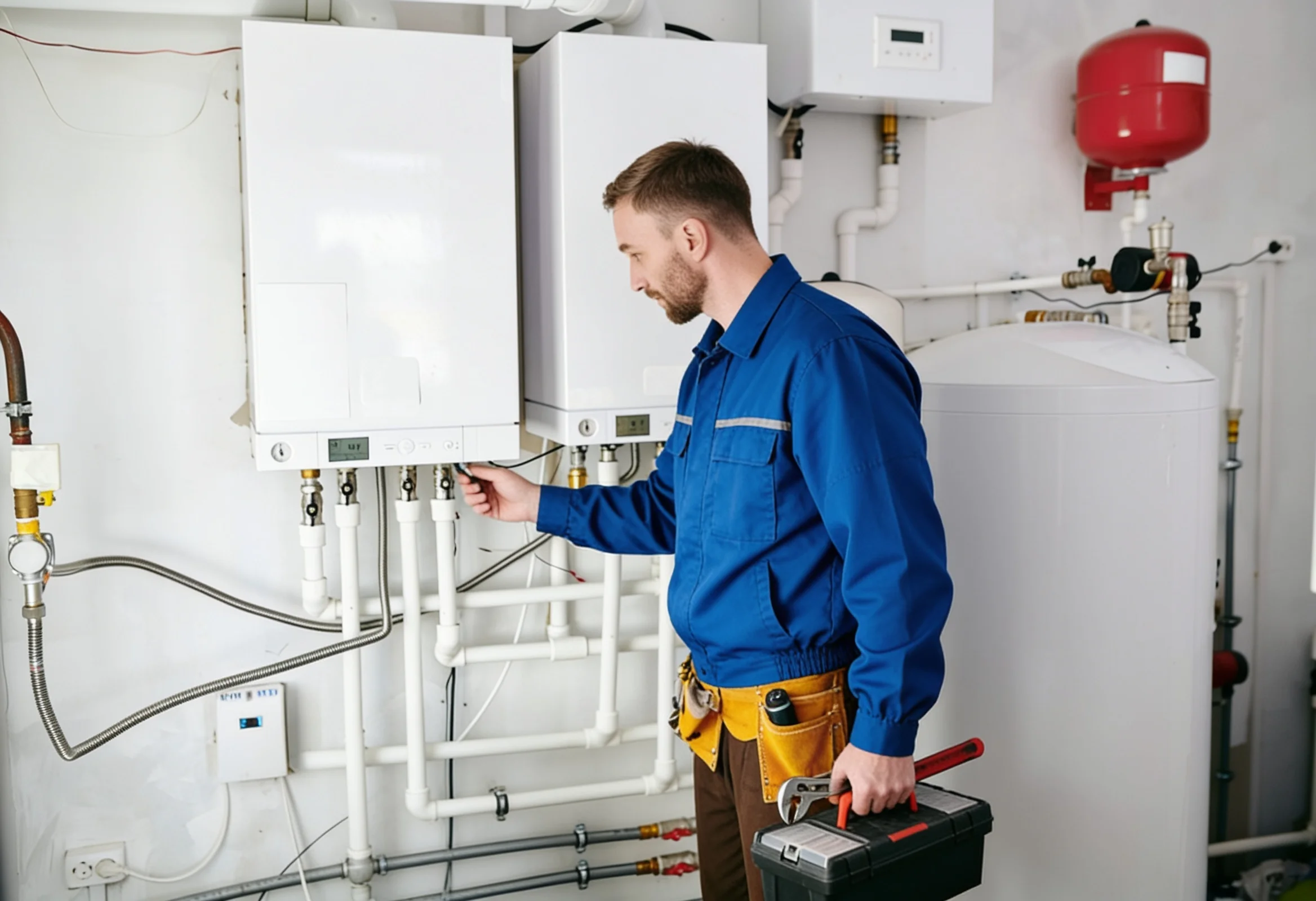
Replacing a boiler under pressure often leads to rushed choices around system type, installation timing, and budgeting. While emergency replacement is sometimes unavoidable, understanding what influences pricing can help homeowners make more informed decisions and avoid unnecessary costs.
Whether your boiler has failed completely or repeated repairs are becoming uneconomical, taking a structured approach can help balance speed, reliability, and long-term value.
If your current boiler has become unreliable, our team can help you assess suitable replacement options for your property.
What Affects Boiler Installation Costs?
Several factors influence overall boiler installation costs, and urgent replacements can sometimes increase pricing further due to time pressures and availability.
The final cost may depend on:
- Boiler type and size
- Property layout
- Existing pipework condition
- Flue location
- Heating controls
- System upgrades required
- Labour complexity
- Timescale for installation
A straightforward like-for-like swap is usually less expensive than changing the entire heating setup.
For example, replacing a combi boiler with another combi model may involve less work than converting from a conventional system to a combi arrangement.
Why Do Emergency Replacements Sometimes Cost More?
When a boiler fails suddenly, homeowners often need installation completed quickly, particularly during winter.
Urgent replacement work may involve:
|
Emergency Factor |
Possible Impact |
|
Limited installer availability |
Reduced appointment flexibility |
|
Immediate boiler sourcing |
Fewer model options |
|
Additional temporary work |
Higher labour requirements |
|
Existing system damage |
Extra repair work needed |
|
Winter demand |
Increased installation pressure |
Emergency situations can also reduce the amount of time homeowners spend comparing systems, warranties, and efficiency options.
This does not necessarily mean urgent replacements are poor decisions, but careful planning remains important wherever possible.
How Can Repeated Repairs Affect the Boiler Replacement Cost?
A boiler nearing the end of its lifespan often becomes increasingly expensive to maintain. Frequent callouts, replacement parts, and temporary fixes can gradually add up over time.
In some situations, homeowners continue paying for repairs because the individual costs appear manageable. However, the combined yearly spending may eventually exceed a realistic long-term solution.
The overall boiler replacement cost may feel significant initially, but modern systems can offer:
- Improved reliability
- Better efficiency
- Lower running costs
- Quieter operation
- More consistent heating
- Updated warranties
This is particularly relevant for older systems that struggle to heat larger family homes efficiently.
Should Homeowners Replace a Boiler Before It Fails Completely?
In many cases, planned replacement is less stressful than emergency installation.
A planned approach gives homeowners more time to:
- Compare boiler models
- Understand efficiency ratings
- Discuss property requirements
- Arrange installation dates
- Review warranty options
- Budget properly
It can also reduce the likelihood of losing heating during colder weather.
Many homeowners only begin considering replacement after multiple breakdowns occur within a short period. However, recurring faults are often a sign that wider system wear is developing.
Which fuel powers your boiler?
It just takes 2 minutes
And then you can book a free consultation
What Type of Boiler Is Best for an Ashford Property?
There is no single boiler type suitable for every property. The best option depends on household size, hot water demand, available space, and existing heating infrastructure.
Combi boilers
Popular in smaller and medium-sized homes because they provide hot water directly without a separate cylinder.
System boilers
Suitable for homes with higher hot water demand and multiple bathrooms.
Conventional boilers
Often found in older properties with traditional heating systems and water tanks.
Choosing the wrong boiler size can create performance issues. An undersized boiler may struggle during winter, while an oversized system may operate inefficiently.
This is why professional assessment is important before installation work begins.
Can Existing Heating Problems Increase Installation Costs?
Yes. During replacement work, installers sometimes discover wider heating system issues that also need attention.
Common examples include:
- Sludge build-up
- Corroded pipework
- Poor circulation
- Faulty radiators
- Outdated controls
- Inadequate flue arrangements
These issues may affect boiler performance if left unresolved after installation.
For example, fitting a modern high-efficiency boiler onto a heavily contaminated heating system without proper cleaning can reduce efficiency and place strain on the new appliance.
Although additional work may increase upfront costs, it often protects the long-term reliability of the installation.
What Happens During a Boiler Survey?
A proper survey helps installers understand the condition of the property and heating system before work begins.
The assessment may include:
- Checking current boiler condition
- Reviewing radiator performance
- Assessing water pressure
- Inspecting flue positioning
- Calculating heating demand
- Discussing household usage patterns
This process helps ensure the recommended boiler matches the property’s actual requirements rather than simply replacing the old unit with a similar model.
A Typical Urgent Replacement Scenario
A homeowner in Ashford experiences repeated boiler lockouts during winter. After several temporary repairs over two years, the boiler finally stops working completely during a cold spell.
Because the household has no heating or hot water, replacement becomes urgent.
During the survey, the engineer identifies:
- Poor circulation caused by sludge
- Ageing controls
- Declining efficiency
- Corrosion affecting pipe connections
The homeowner initially planned for a basic boiler swap, but wider system improvements were recommended to ensure reliable long-term performance.
Situations like this are common when boilers have received repeated short-term repairs instead of wider assessment.
How Can Homeowners Avoid Rushed Decisions?
Although some emergency situations cannot be avoided entirely, there are ways to reduce pressure before a complete failure occurs.
Practical steps include:
- Monitoring recurring faults carefully
- Booking annual servicing
- Asking engineers about boiler lifespan
- Researching replacement options early
- Understanding warranty coverage
- Planning household budgets ahead of time
Homeowners who prepare in advance often feel more confident when replacement eventually becomes necessary.
Even basic awareness of system condition can make future decisions far easier.
Is Boiler Efficiency Worth Considering?
Modern boilers are generally far more efficient than older systems installed many years ago.
Higher efficiency may help reduce:
- Energy usage
- Heating bills
- Carbon emissions
- Wear caused by overworking
Efficiency improvements are especially noticeable in homes where ageing boilers struggle to maintain consistent temperatures.
While upfront installation pricing matters, long-term running costs should also form part of the decision-making process.
What Should Homeowners Do Next?
If your boiler has become unreliable, planning ahead is usually more cost-effective than waiting for a complete failure. Repeated breakdowns, rising repair bills, and inconsistent heating often indicate that replacement discussions are becoming increasingly practical.
A professional survey can help clarify the condition of your current system, explain suitable options, and identify any wider heating issues that may affect installation work.
The Ashford Boiler Company supports homeowners with tailored heating advice, system surveys, and reliable installation solutions designed around the needs of the property and household.
To discuss replacement options or request a tailored quotation, contact The Ashford Boiler Company for professional guidance and support.
Related articles
Which fuel powers your boiler?
At a glance
Replacing a boiler under pressure often leads to rushed choices around system type, installation timing, and budgeting. While emergency replacement is sometimes unavoidable, understanding what influences pricing can help homeowners make more informed decisions and avoid unnecessary costs.
Whether your boiler has failed completely or repeated repairs are becoming uneconomical, taking a structured approach can help balance speed, reliability, and long-term value.
If your current boiler has become unreliable, our team can help you assess suitable replacement options for your property.
What Affects Boiler Installation Costs?
Several factors influence overall boiler installation costs, and urgent replacements can sometimes increase pricing further due to time pressures and availability.
The final cost may depend on:
- Boiler type and size
- Property layout
- Existing pipework condition
- Flue location
- Heating controls
- System upgrades required
- Labour complexity
- Timescale for installation
A straightforward like-for-like swap is usually less expensive than changing the entire heating setup.
For example, replacing a combi boiler with another combi model may involve less work than converting from a conventional system to a combi arrangement.
Why Do Emergency Replacements Sometimes Cost More?
When a boiler fails suddenly, homeowners often need installation completed quickly, particularly during winter.
Urgent replacement work may involve:
|
Emergency Factor |
Possible Impact |
|
Limited installer availability |
Reduced appointment flexibility |
|
Immediate boiler sourcing |
Fewer model options |
|
Additional temporary work |
Higher labour requirements |
|
Existing system damage |
Extra repair work needed |
|
Winter demand |
Increased installation pressure |
Emergency situations can also reduce the amount of time homeowners spend comparing systems, warranties, and efficiency options.
This does not necessarily mean urgent replacements are poor decisions, but careful planning remains important wherever possible.
How Can Repeated Repairs Affect the Boiler Replacement Cost?
A boiler nearing the end of its lifespan often becomes increasingly expensive to maintain. Frequent callouts, replacement parts, and temporary fixes can gradually add up over time.
In some situations, homeowners continue paying for repairs because the individual costs appear manageable. However, the combined yearly spending may eventually exceed a realistic long-term solution.
The overall boiler replacement cost may feel significant initially, but modern systems can offer:
- Improved reliability
- Better efficiency
- Lower running costs
- Quieter operation
- More consistent heating
- Updated warranties
This is particularly relevant for older systems that struggle to heat larger family homes efficiently.
Should Homeowners Replace a Boiler Before It Fails Completely?
In many cases, planned replacement is less stressful than emergency installation.
A planned approach gives homeowners more time to:
- Compare boiler models
- Understand efficiency ratings
- Discuss property requirements
- Arrange installation dates
- Review warranty options
- Budget properly
It can also reduce the likelihood of losing heating during colder weather.
Many homeowners only begin considering replacement after multiple breakdowns occur within a short period. However, recurring faults are often a sign that wider system wear is developing.
Which fuel powers your boiler?
It just takes 2 minutes
And then you can book a free consultation
What Type of Boiler Is Best for an Ashford Property?
There is no single boiler type suitable for every property. The best option depends on household size, hot water demand, available space, and existing heating infrastructure.
Combi boilers
Popular in smaller and medium-sized homes because they provide hot water directly without a separate cylinder.
System boilers
Suitable for homes with higher hot water demand and multiple bathrooms.
Conventional boilers
Often found in older properties with traditional heating systems and water tanks.
Choosing the wrong boiler size can create performance issues. An undersized boiler may struggle during winter, while an oversized system may operate inefficiently.
This is why professional assessment is important before installation work begins.
Can Existing Heating Problems Increase Installation Costs?
Yes. During replacement work, installers sometimes discover wider heating system issues that also need attention.
Common examples include:
- Sludge build-up
- Corroded pipework
- Poor circulation
- Faulty radiators
- Outdated controls
- Inadequate flue arrangements
These issues may affect boiler performance if left unresolved after installation.
For example, fitting a modern high-efficiency boiler onto a heavily contaminated heating system without proper cleaning can reduce efficiency and place strain on the new appliance.
Although additional work may increase upfront costs, it often protects the long-term reliability of the installation.
What Happens During a Boiler Survey?
A proper survey helps installers understand the condition of the property and heating system before work begins.
The assessment may include:
- Checking current boiler condition
- Reviewing radiator performance
- Assessing water pressure
- Inspecting flue positioning
- Calculating heating demand
- Discussing household usage patterns
This process helps ensure the recommended boiler matches the property’s actual requirements rather than simply replacing the old unit with a similar model.
A Typical Urgent Replacement Scenario
A homeowner in Ashford experiences repeated boiler lockouts during winter. After several temporary repairs over two years, the boiler finally stops working completely during a cold spell.
Because the household has no heating or hot water, replacement becomes urgent.
During the survey, the engineer identifies:
- Poor circulation caused by sludge
- Ageing controls
- Declining efficiency
- Corrosion affecting pipe connections
The homeowner initially planned for a basic boiler swap, but wider system improvements were recommended to ensure reliable long-term performance.
Situations like this are common when boilers have received repeated short-term repairs instead of wider assessment.
How Can Homeowners Avoid Rushed Decisions?
Although some emergency situations cannot be avoided entirely, there are ways to reduce pressure before a complete failure occurs.
Practical steps include:
- Monitoring recurring faults carefully
- Booking annual servicing
- Asking engineers about boiler lifespan
- Researching replacement options early
- Understanding warranty coverage
- Planning household budgets ahead of time
Homeowners who prepare in advance often feel more confident when replacement eventually becomes necessary.
Even basic awareness of system condition can make future decisions far easier.
Is Boiler Efficiency Worth Considering?
Modern boilers are generally far more efficient than older systems installed many years ago.
Higher efficiency may help reduce:
- Energy usage
- Heating bills
- Carbon emissions
- Wear caused by overworking
Efficiency improvements are especially noticeable in homes where ageing boilers struggle to maintain consistent temperatures.
While upfront installation pricing matters, long-term running costs should also form part of the decision-making process.
What Should Homeowners Do Next?
If your boiler has become unreliable, planning ahead is usually more cost-effective than waiting for a complete failure. Repeated breakdowns, rising repair bills, and inconsistent heating often indicate that replacement discussions are becoming increasingly practical.
A professional survey can help clarify the condition of your current system, explain suitable options, and identify any wider heating issues that may affect installation work.
The Ashford Boiler Company supports homeowners with tailored heating advice, system surveys, and reliable installation solutions designed around the needs of the property and household.
To discuss replacement options or request a tailored quotation, contact The Ashford Boiler Company for professional guidance and support.