
Combi Boiler Replacement in Ashford: Upgrading Before Repairs Stack Up
Most homeowners expect occasional boiler repairs over the lifespan of a heating system. However, there comes a point where repeated faults, rising repair bills, and declining efficiency begin to make replacement the more sensible long-term option.

Why you can trust our content
We understand that the boiler industry can be confusing, with plenty of outdated or misleading information. That’s why we rely only on trusted, proven sources to guide our advice and installations:
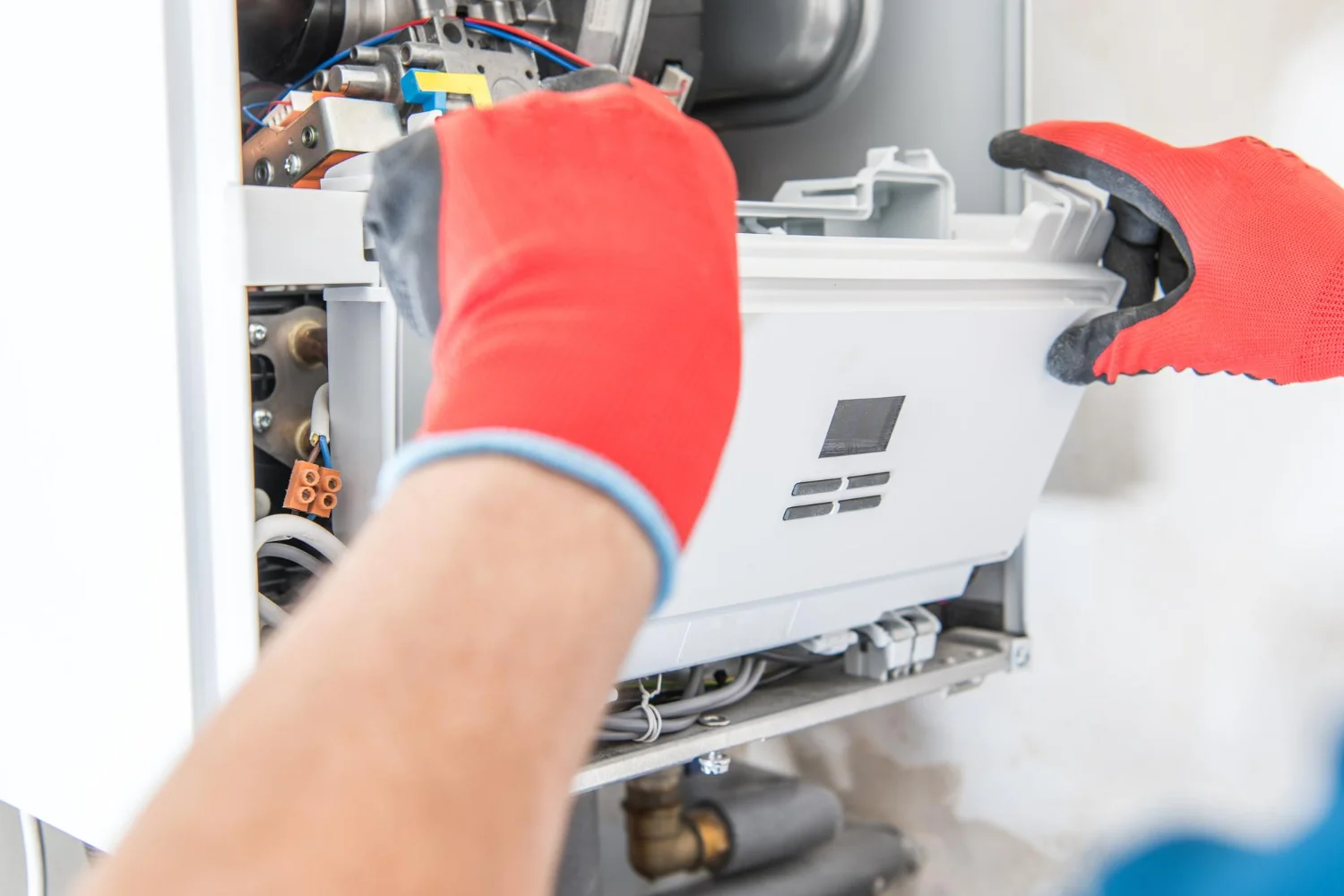
One repair alone may not justify installing a new boiler, but frequent breakdowns can quickly become frustrating and expensive. Older systems may also struggle to heat the home efficiently, particularly during colder months when demand is highest.
Understanding when to consider combi boiler replacement ashford homeowners can rely on helps avoid situations where repair costs continue to rise without solving the underlying problem.
If your current boiler is becoming unreliable and you would like professional guidance, contact our team at The Ashford Boiler Company.
When Does Repairing a Boiler Stop Making Sense?
There is no exact age where every boiler should automatically be replaced. Some systems continue working reliably for many years, while others become problematic much earlier.
However, replacement may be worth considering if:
- Repairs are becoming frequent
- Parts are difficult to source
- Heating performance has declined
- Energy bills are increasing
- The boiler regularly loses pressure
- Hot water becomes inconsistent
Repeated repair appointments can sometimes become more expensive over time than upgrading the system entirely.
How Do Repair Costs Build Up?
Many boiler faults seem manageable individually.
For example:
- A failed valve
- Pressure issues
- Ignition faults
- Pump replacements
While each repair may appear relatively affordable on its own, repeated problems across several years can quickly increase overall spending.
Homeowners often begin questioning whether continuing repairs still offers good value once faults become more regular.
Does Boiler Age Matter?
Yes, age is an important factor.
Older boilers may:
- Operate less efficiently
- Use outdated components
- Require obsolete parts
- Struggle to meet modern heating demands
As boilers age, repair reliability can also become less predictable.
Many homeowners begin exploring replacement options once systems move beyond 10-15 years old, particularly if faults become more frequent during winter.
Can a New Boiler Improve Efficiency?
In many cases, yes.
Modern combi boilers are generally designed to operate more efficiently than older systems.
Potential benefits may include:
- Reduced energy waste
- Improved heating response
- Better hot water performance
- Quieter operation
- Modern heating controls
Efficiency improvements can help offset part of the boiler replacement cost over time through lower energy consumption.
Which fuel powers your boiler?
It just takes 2 minutes
And then you can book a free consultation
When Does Repairing a Boiler Stop Making Sense?
There is no exact age where every boiler should automatically be replaced. Some systems continue working reliably for many years, while others become problematic much earlier.
However, replacement may be worth considering if:
- Repairs are becoming frequent
- Parts are difficult to source
- Heating performance has declined
- Energy bills are increasing
- The boiler regularly loses pressure
- Hot water becomes inconsistent
Repeated repair appointments can sometimes become more expensive over time than upgrading the system entirely.
How Do Repair Costs Build Up?
Many boiler faults seem manageable individually.
For example:
- A failed valve
- Pressure issues
- Ignition faults
- Pump replacements
While each repair may appear relatively affordable on its own, repeated problems across several years can quickly increase overall spending.
Homeowners often begin questioning whether continuing repairs still offers good value once faults become more regular.
Does Boiler Age Matter?
Yes, age is an important factor.
Older boilers may:
- Operate less efficiently
- Use outdated components
- Require obsolete parts
- Struggle to meet modern heating demands
As boilers age, repair reliability can also become less predictable.
Many homeowners begin exploring replacement options once systems move beyond 10-15 years old, particularly if faults become more frequent during winter.
Can a New Boiler Improve Efficiency?
In many cases, yes.
Modern combi boilers are generally designed to operate more efficiently than older systems.
Potential benefits may include:
- Reduced energy waste
- Improved heating response
- Better hot water performance
- Quieter operation
- Modern heating controls
Efficiency improvements can help offset part of the boiler replacement cost over time through lower energy consumption.
What Signs Suggest Replacement Might Be Better?
Frequent Winter Breakdowns
Repeated failures during colder months often indicate the system is struggling under higher demand.
Rising Repair Bills
If repairs are becoming more expensive each year, replacement may provide better long-term value.
Inconsistent Hot Water
Older boilers sometimes struggle to maintain stable hot water temperatures.
Difficulty Finding Parts
Manufacturers eventually stop producing components for older systems, which can make repairs slower and more costly.
How Is Boiler Replacement Planned?
A professional installer should begin with a property survey.
This helps assess:
- Heating demand
- Existing pipework
- Water pressure
- Boiler location
- System condition
Not every replacement requires major changes, but older heating systems occasionally need upgrades alongside the new boiler.
Should You Replace the Boiler Before It Fails Completely?
In many situations, yes.
Waiting for a total breakdown can create additional stress, especially during winter when emergency demand is high.
Planned replacement offers several advantages:
- More time to compare options
- Better installation scheduling
- Reduced emergency disruption
- Opportunity to review finance options
Many homeowners prefer replacing the system before reliability becomes a major concern.
What Can Affect Boiler Replacement Pricing?
The overall installation cost depends on several factors.
These can include:
- Boiler output size
- Property type
- Pipework condition
- Controls included
- Boiler location
- System cleaning requirements
Older properties in Ashford may occasionally require additional work to support modern heating systems safely and efficiently.
This is one reason why the boiler replacement cost can vary between homes.
How Long Does Boiler Replacement Usually Take?
Timescales vary depending on the complexity of the installation.
|
Installation Type |
Typical Timeframe |
|
Straight combi replacement |
1 day |
|
Boiler relocation |
2-3 days |
|
System conversion |
Several days |
|
Full heating upgrade |
Longer projects |
A professional installer should explain expected timescales clearly before work begins.
If you are unsure whether repair or replacement is the better option, speak to us today for practical, honest advice tailored to your heating system.
Should You Upgrade Heating Controls Too?
In many cases, yes.
Modern controls can improve system efficiency and heating management.
Upgrades may include:
- Smart thermostats
- Wireless controls
- Zoned heating systems
- Programmable timers
These additions can help homeowners manage heating more effectively while improving comfort.
A Typical Example From an Ashford Property
A homeowner in Ashford had experienced multiple repairs over two winters, including pressure problems, ignition faults, and inconsistent hot water performance.
Although each repair had temporarily restored the system, the boiler continued developing new issues.
Following a professional survey, the homeowner decided to replace the ageing combi boiler before another winter breakdown occurred. The new system included upgraded controls and a manufacturer-backed warranty, improving both reliability and heating efficiency.
The homeowner also gained greater confidence knowing future repair risks had been reduced significantly.
Is Warranty Cover Important?
Absolutely.
Modern boiler installations often include manufacturer-backed warranties that can provide long-term reassurance.
Before installation, ask about:
- Warranty length
- What is covered
- Annual servicing requirements
- Registration process
A strong warranty can help reduce future repair concerns after replacement.
How Can You Compare Replacement Quotes Properly?
Focus on more than the final price figure.
Compare:
- Boiler specification
- Scope of work
- Warranty length
- Controls included
- Aftercare support
- Installation quality
Clear quotations usually make it easier to understand the long-term value being offered.
Repeated boiler repairs can become both costly and inconvenient over time. Understanding when replacement offers better long-term value helps homeowners make more confident decisions before reliability problems escalate further.
At The Ashford Boiler Company, we provide honest guidance, clear quotations, and tailored recommendations based on the condition of your existing heating system and the needs of your property. Whether you are considering repairs or planning a replacement, our team is here to help.
To discuss your heating system or request a tailored quotation, contact The Ashford Boiler Company today.
Related articles



Which fuel powers your boiler?
At a glance
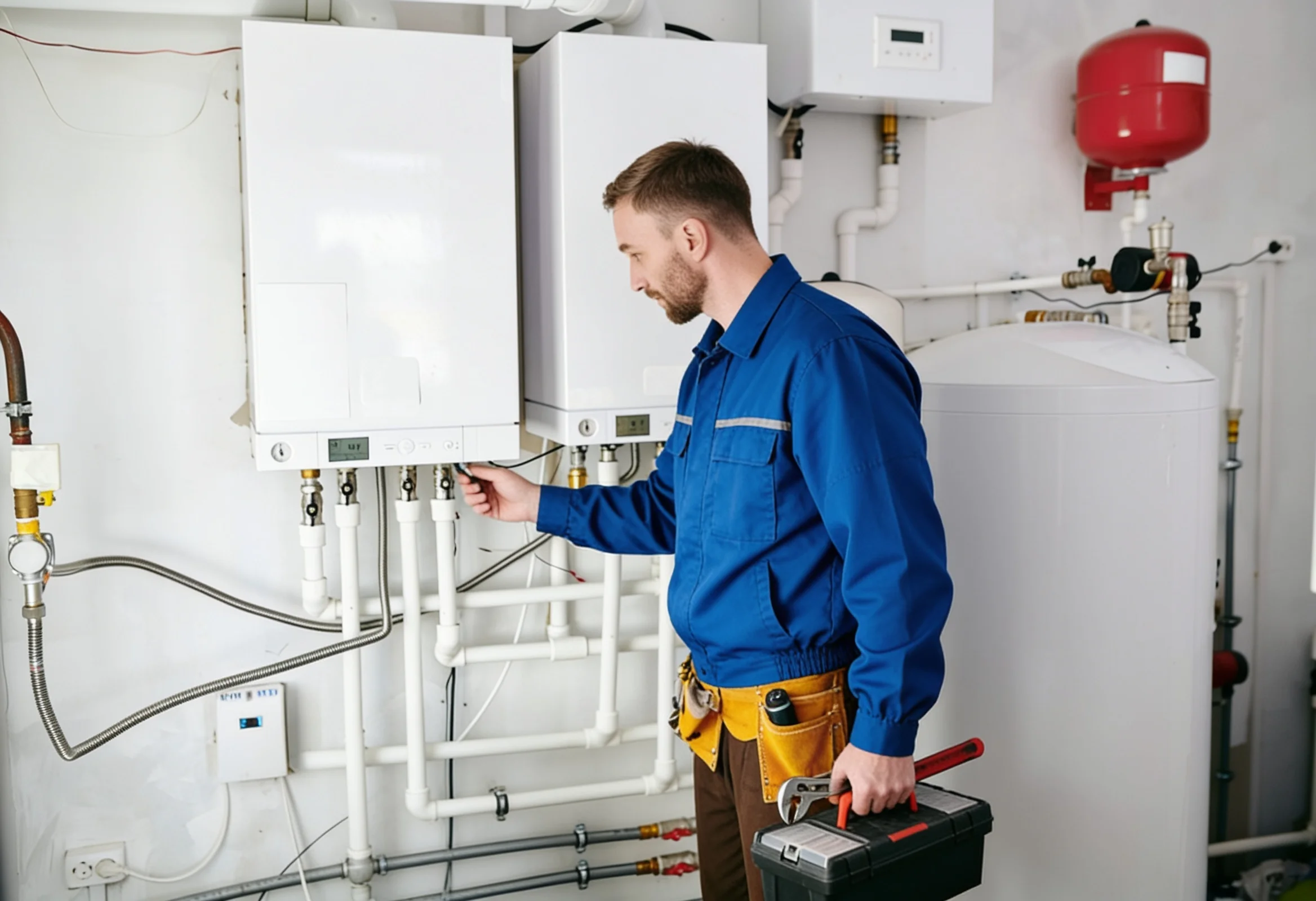
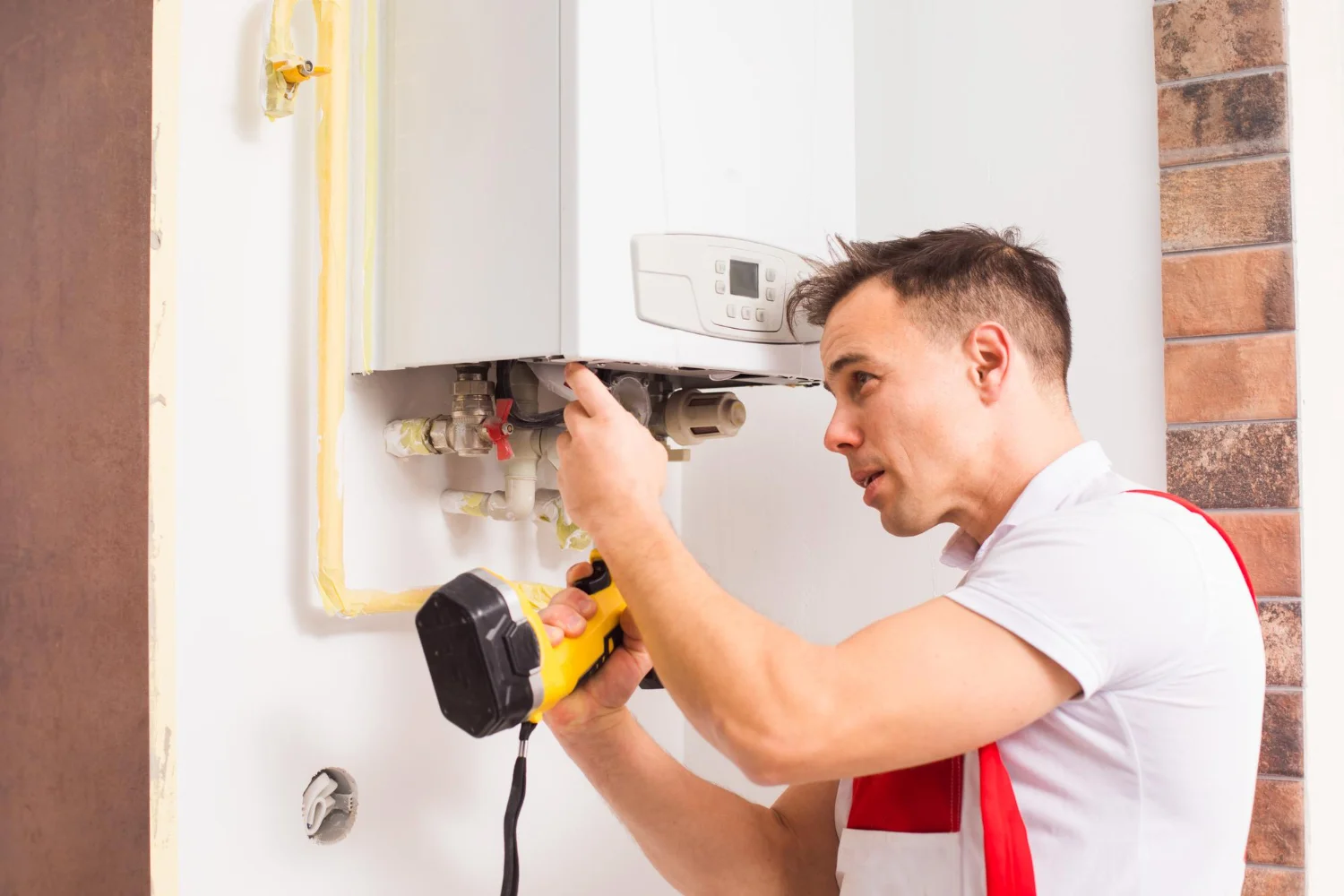
One repair alone may not justify installing a new boiler, but frequent breakdowns can quickly become frustrating and expensive. Older systems may also struggle to heat the home efficiently, particularly during colder months when demand is highest.
Understanding when to consider combi boiler replacement ashford homeowners can rely on helps avoid situations where repair costs continue to rise without solving the underlying problem.
If your current boiler is becoming unreliable and you would like professional guidance, contact our team at The Ashford Boiler Company.
When Does Repairing a Boiler Stop Making Sense?
There is no exact age where every boiler should automatically be replaced. Some systems continue working reliably for many years, while others become problematic much earlier.
However, replacement may be worth considering if:
- Repairs are becoming frequent
- Parts are difficult to source
- Heating performance has declined
- Energy bills are increasing
- The boiler regularly loses pressure
- Hot water becomes inconsistent
Repeated repair appointments can sometimes become more expensive over time than upgrading the system entirely.
How Do Repair Costs Build Up?
Many boiler faults seem manageable individually.
For example:
- A failed valve
- Pressure issues
- Ignition faults
- Pump replacements
While each repair may appear relatively affordable on its own, repeated problems across several years can quickly increase overall spending.
Homeowners often begin questioning whether continuing repairs still offers good value once faults become more regular.
Does Boiler Age Matter?
Yes, age is an important factor.
Older boilers may:
- Operate less efficiently
- Use outdated components
- Require obsolete parts
- Struggle to meet modern heating demands
As boilers age, repair reliability can also become less predictable.
Many homeowners begin exploring replacement options once systems move beyond 10-15 years old, particularly if faults become more frequent during winter.
Can a New Boiler Improve Efficiency?
In many cases, yes.
Modern combi boilers are generally designed to operate more efficiently than older systems.
Potential benefits may include:
- Reduced energy waste
- Improved heating response
- Better hot water performance
- Quieter operation
- Modern heating controls
Efficiency improvements can help offset part of the boiler replacement cost over time through lower energy consumption.
Which fuel powers your boiler?
It just takes 2 minutes
And then you can book a free consultation
When Does Repairing a Boiler Stop Making Sense?
There is no exact age where every boiler should automatically be replaced. Some systems continue working reliably for many years, while others become problematic much earlier.
However, replacement may be worth considering if:
- Repairs are becoming frequent
- Parts are difficult to source
- Heating performance has declined
- Energy bills are increasing
- The boiler regularly loses pressure
- Hot water becomes inconsistent
Repeated repair appointments can sometimes become more expensive over time than upgrading the system entirely.
How Do Repair Costs Build Up?
Many boiler faults seem manageable individually.
For example:
- A failed valve
- Pressure issues
- Ignition faults
- Pump replacements
While each repair may appear relatively affordable on its own, repeated problems across several years can quickly increase overall spending.
Homeowners often begin questioning whether continuing repairs still offers good value once faults become more regular.
Does Boiler Age Matter?
Yes, age is an important factor.
Older boilers may:
- Operate less efficiently
- Use outdated components
- Require obsolete parts
- Struggle to meet modern heating demands
As boilers age, repair reliability can also become less predictable.
Many homeowners begin exploring replacement options once systems move beyond 10-15 years old, particularly if faults become more frequent during winter.
Can a New Boiler Improve Efficiency?
In many cases, yes.
Modern combi boilers are generally designed to operate more efficiently than older systems.
Potential benefits may include:
- Reduced energy waste
- Improved heating response
- Better hot water performance
- Quieter operation
- Modern heating controls
Efficiency improvements can help offset part of the boiler replacement cost over time through lower energy consumption.
What Signs Suggest Replacement Might Be Better?
Frequent Winter Breakdowns
Repeated failures during colder months often indicate the system is struggling under higher demand.
Rising Repair Bills
If repairs are becoming more expensive each year, replacement may provide better long-term value.
Inconsistent Hot Water
Older boilers sometimes struggle to maintain stable hot water temperatures.
Difficulty Finding Parts
Manufacturers eventually stop producing components for older systems, which can make repairs slower and more costly.
How Is Boiler Replacement Planned?
A professional installer should begin with a property survey.
This helps assess:
- Heating demand
- Existing pipework
- Water pressure
- Boiler location
- System condition
Not every replacement requires major changes, but older heating systems occasionally need upgrades alongside the new boiler.
Should You Replace the Boiler Before It Fails Completely?
In many situations, yes.
Waiting for a total breakdown can create additional stress, especially during winter when emergency demand is high.
Planned replacement offers several advantages:
- More time to compare options
- Better installation scheduling
- Reduced emergency disruption
- Opportunity to review finance options
Many homeowners prefer replacing the system before reliability becomes a major concern.
What Can Affect Boiler Replacement Pricing?
The overall installation cost depends on several factors.
These can include:
- Boiler output size
- Property type
- Pipework condition
- Controls included
- Boiler location
- System cleaning requirements
Older properties in Ashford may occasionally require additional work to support modern heating systems safely and efficiently.
This is one reason why the boiler replacement cost can vary between homes.
How Long Does Boiler Replacement Usually Take?
Timescales vary depending on the complexity of the installation.
|
Installation Type |
Typical Timeframe |
|
Straight combi replacement |
1 day |
|
Boiler relocation |
2-3 days |
|
System conversion |
Several days |
|
Full heating upgrade |
Longer projects |
A professional installer should explain expected timescales clearly before work begins.
If you are unsure whether repair or replacement is the better option, speak to us today for practical, honest advice tailored to your heating system.
Should You Upgrade Heating Controls Too?
In many cases, yes.
Modern controls can improve system efficiency and heating management.
Upgrades may include:
- Smart thermostats
- Wireless controls
- Zoned heating systems
- Programmable timers
These additions can help homeowners manage heating more effectively while improving comfort.
A Typical Example From an Ashford Property
A homeowner in Ashford had experienced multiple repairs over two winters, including pressure problems, ignition faults, and inconsistent hot water performance.
Although each repair had temporarily restored the system, the boiler continued developing new issues.
Following a professional survey, the homeowner decided to replace the ageing combi boiler before another winter breakdown occurred. The new system included upgraded controls and a manufacturer-backed warranty, improving both reliability and heating efficiency.
The homeowner also gained greater confidence knowing future repair risks had been reduced significantly.
Is Warranty Cover Important?
Absolutely.
Modern boiler installations often include manufacturer-backed warranties that can provide long-term reassurance.
Before installation, ask about:
- Warranty length
- What is covered
- Annual servicing requirements
- Registration process
A strong warranty can help reduce future repair concerns after replacement.
How Can You Compare Replacement Quotes Properly?
Focus on more than the final price figure.
Compare:
- Boiler specification
- Scope of work
- Warranty length
- Controls included
- Aftercare support
- Installation quality
Clear quotations usually make it easier to understand the long-term value being offered.
Repeated boiler repairs can become both costly and inconvenient over time. Understanding when replacement offers better long-term value helps homeowners make more confident decisions before reliability problems escalate further.
At The Ashford Boiler Company, we provide honest guidance, clear quotations, and tailored recommendations based on the condition of your existing heating system and the needs of your property. Whether you are considering repairs or planning a replacement, our team is here to help.
To discuss your heating system or request a tailored quotation, contact The Ashford Boiler Company today.