
Is Your Ashford Home Ready for a New Boiler? Key Signs to Check
A boiler rarely fails without warning. In many homes, the signs build up slowly – weaker hot water, strange noises, rising energy bills, more frequent breakdowns, or radiators taking longer to heat. The difficulty is knowing whether these problems point to a simple boiler repair or whether your home is getting close to needing a…

Why you can trust our content
We understand that the boiler industry can be confusing, with plenty of outdated or misleading information. That’s why we rely only on trusted, proven sources to guide our advice and installations:
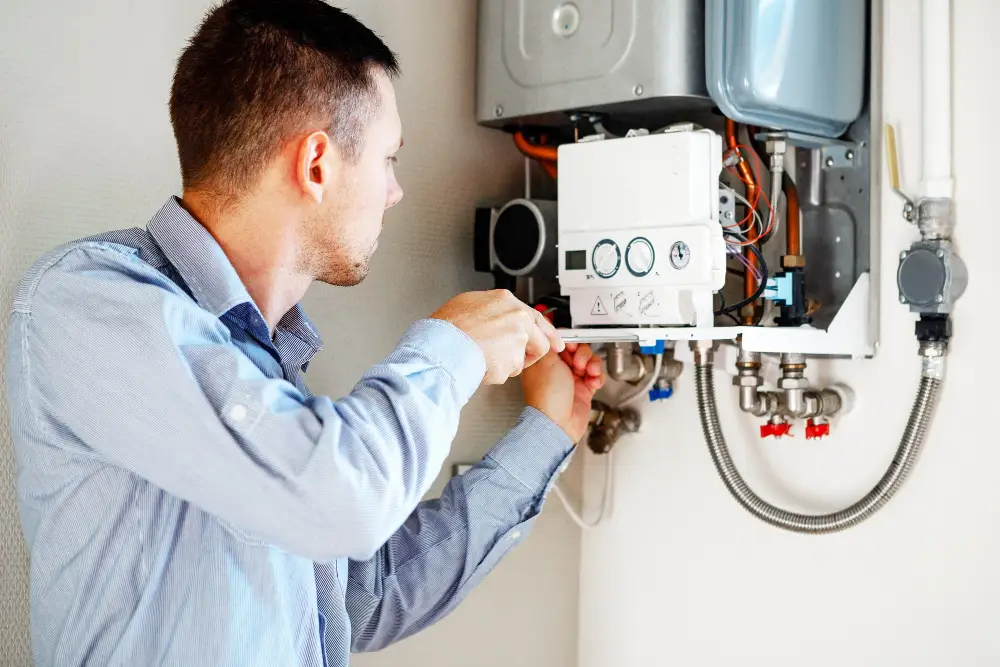
A boiler rarely fails without warning. In many homes, the signs build up slowly – weaker hot water, strange noises, rising energy bills, more frequent breakdowns, or radiators taking longer to heat. The difficulty is knowing whether these problems point to a simple boiler repair or whether your home is getting close to needing a replacement.
For homeowners considering boiler installation in Ashford, the best starting point is not choosing a brand or comparing prices. It is understanding whether your current boiler is still safe, efficient and suitable for the way your household uses heating and hot water.
This guide explains the key signs to check before deciding what to do next, so you can make a calm, informed decision rather than waiting for a complete breakdown.
How old is your current boiler?
Boiler age is one of the first things to look at. Many boilers can last around 10 to 15 years if they have been installed correctly and serviced regularly, but age alone does not tell the full story.
An older boiler may still be working, but it could be less efficient than a modern A-rated model. It may also be harder to repair if parts are becoming less available. If your boiler is over 10 years old and you are already noticing performance issues, it is worth getting professional advice before spending money on repeated repairs.
A newer boiler with one fault may only need a boiler repair. An older boiler with several recurring faults may be telling you that replacement is becoming the more sensible long-term option.
What warning signs should Ashford homeowners look for?
Some boiler problems are obvious. Others are easier to dismiss until they become more serious. If you notice any of the following, your boiler should be checked by a qualified heating engineer:
- Hot water runs cold or fluctuates during use
- Radiators take much longer than normal to warm up
- The boiler regularly loses pressure
- You hear banging, whistling, gurgling or vibrating noises
- Energy bills rise even though your usage has not changed
- The boiler needs resetting often
- You keep paying for callouts or replacement parts
- The flame is not burning as it should
- There are signs of leaks, staining or corrosion around the unit
A single issue does not always mean you need a new boiler. However, several issues happening together can suggest the system is becoming unreliable.
Is it a repair issue or a replacement issue?
This is where many homeowners get stuck. A repair can be the right decision when the fault is isolated, affordable and unlikely to return. Replacement becomes more likely when the boiler is inefficient, unreliable or no longer suitable for the property.
| Situation | Repair may be suitable | Replacement may be better |
| Boiler age | Under 8-10 years | Over 10-15 years |
| Fault frequency | One-off issue | Repeated breakdowns |
| Parts availability | Parts easy to source | Parts expensive or obsolete |
| Energy efficiency | Still performing well | Bills rising noticeably |
| Hot water performance | Minor fault | No longer meets household demand |
| Safety concerns | No major risk found | Engineer advises replacement |
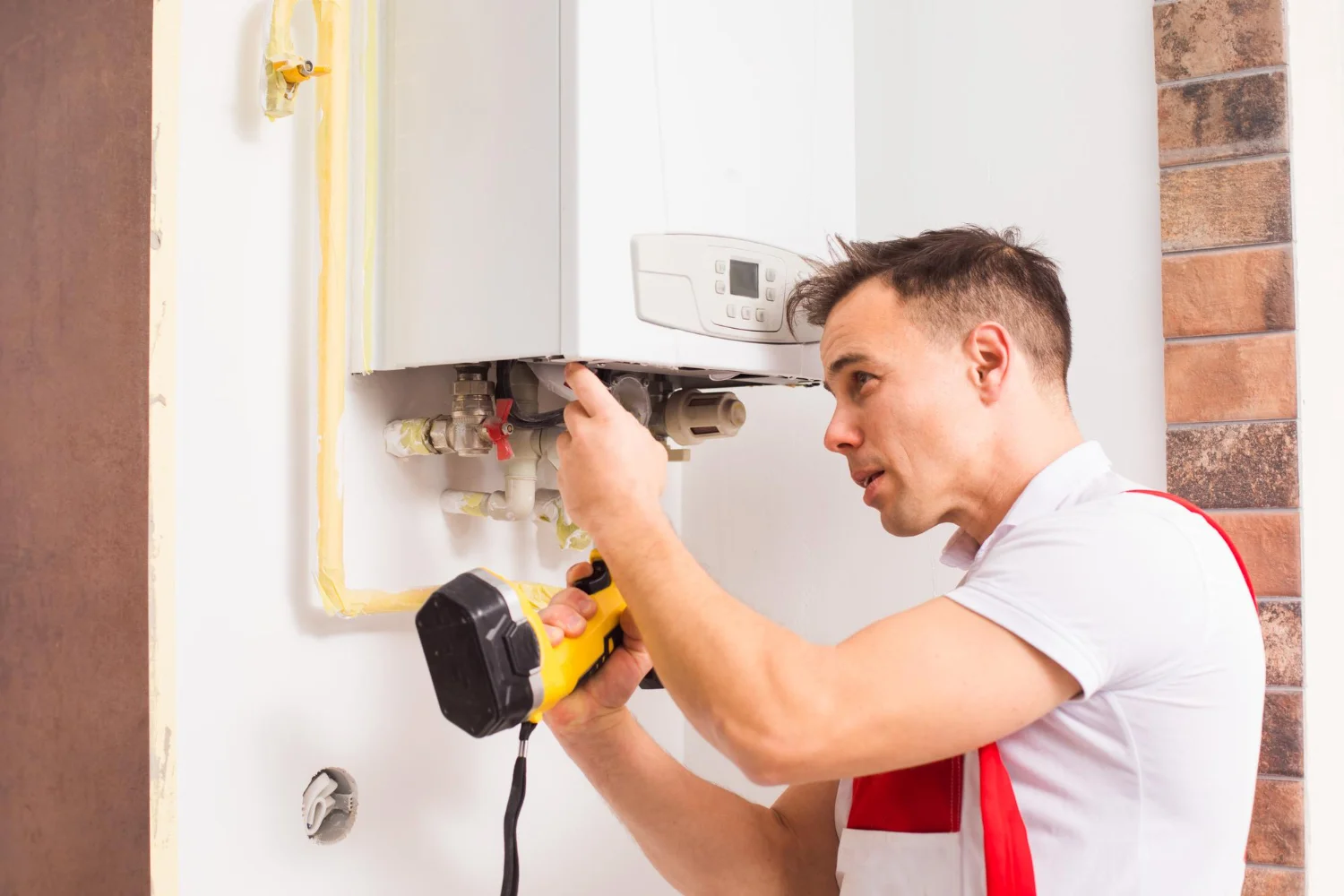
A professional inspection helps you avoid guessing. In some cases, a boiler repair can keep your system running safely. In others, ongoing repairs simply delay the cost of replacement.
Which fuel powers your boiler?
It just takes 2 minutes
And then you can book a free consultation
Are your energy bills becoming harder to explain?
Rising energy bills can be caused by tariff changes, usage patterns or poor insulation, so they do not automatically mean your boiler is failing. However, if your bills have increased while your heating habits have stayed similar, your boiler may be working harder than it should.
Older boilers often lose efficiency over time. They may need to run for longer to achieve the same room temperature. They may also struggle to heat water quickly, especially in busier households.
If your home has changed since the boiler was first installed – for example, you have added an extension, changed the number of occupants, upgraded bathrooms or altered radiators – your current boiler may no longer match your needs. In that situation, getting advice on boiler installation Ashford can help you understand whether a newer system would be more efficient and better suited to the property.
Does your boiler still meet your household’s hot water needs?
A boiler that was suitable years ago may not be right for your home today. This is especially common when families grow, routines change, or bathrooms are upgraded.
You may notice:
- The shower runs cold when another tap is used
- The boiler struggles during busy morning routines
- Hot water takes too long to recover
- Radiators heat unevenly
- Some rooms feel colder than others
These issues can sometimes be linked to controls, radiators, system balance or pipework. However, if the boiler is undersized, ageing or repeatedly under strain, replacing it may give better comfort and reliability.
For example, a small combi boiler may have worked well in a modest home with one bathroom. If the same property now has higher hot water demand, the system may feel increasingly limited.
Could poor performance be caused by the wider heating system?
Not every heating problem starts with the boiler itself. Sludge in radiators, poor water quality, old controls, incorrect system balancing, weak pumps or unsuitable pipework can all affect performance.
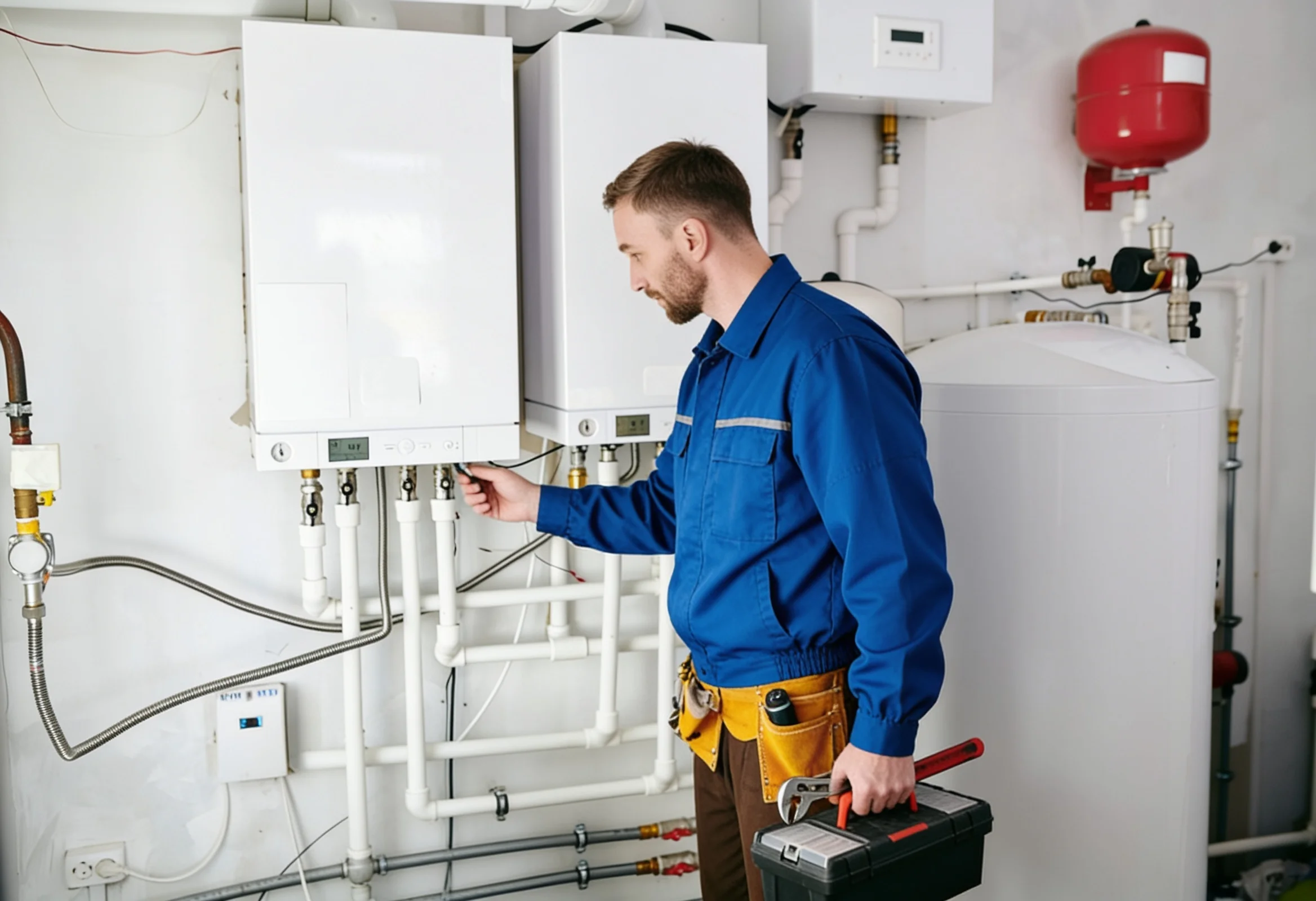
That is why a proper assessment matters before any decision is made. A good engineer will look beyond the boiler casing and consider the whole heating system.
They may check:
- Boiler age and condition
- Pressure behaviour
- Error codes
- Flue position and ventilation
- Radiator performance
- Hot water flow rate
- Existing controls and thermostats
- Whether the boiler output suits the property
This is especially useful before arranging boiler installation in Ashford, as it helps ensure the new boiler is specified correctly from the start.
When should you stop repairing and start planning?
Repairs can make sense when they restore reliable performance at a reasonable cost. However, there is a point where repairing becomes false economy.
You may be reaching that point if:
- You have had more than one breakdown in the same year
- Repair costs are becoming a regular expense
- Your engineer warns that major components are wearing out
- The boiler is out of warranty
- You are worried it may fail during winter
- You are planning to stay in the property long term
The decision does not need to be rushed unless there is a safety concern or a complete breakdown. In many cases, the best approach is to get the boiler assessed, understand the likely repair cost, and then compare that against the cost and benefits of replacement.
Example scenario: an older Ashford family home
A homeowner in Ashford may have a 12-year-old combi boiler that still works, but the hot water fluctuates, pressure drops every few weeks, and the boiler has needed two callouts in the last year.
In this situation, a one-off boiler repair may solve the immediate issue, but it may not deal with the underlying age and reliability concerns. If the household is also using more hot water than before, replacement may provide better long-term value.
A professional engineer would assess the current boiler, check the wider system, and explain whether repair or replacement is the most sensible route.
What should happen before choosing a new boiler?
Before choosing a model, installer or quote, make sure the following questions are answered:
- What is wrong with the current boiler?
- Is the fault repairable at a sensible cost?
- How old is the boiler?
- Is it still efficient?
- Does it suit the property’s heating and hot water demand?
- Are there any wider system issues?
- What warranty would a new boiler include?
- Would upgraded controls improve efficiency?
This avoids choosing a boiler based only on price. A suitable boiler should match your home, your usage and your long-term comfort needs.
Should I wait until my boiler breaks down before replacing it?
Waiting can leave you without heating or hot water at the worst time. If your boiler is showing warning signs, it is usually better to plan ahead and make a measured decision.
Expert Assessment: Is Boiler Repair or Replacement Right for You?
If your boiler is becoming noisy, unreliable, inefficient or expensive to maintain, it is worth getting expert advice before the problem becomes urgent. Sometimes a repair is all that is needed. Other times, replacing the boiler is the more sensible long-term decision.
The Ashford Boiler Company can assess your current system, explain your options clearly and help you decide whether repair or replacement is right for your home.
Related articles



Which fuel powers your boiler?
At a glance
A boiler rarely fails without warning. In many homes, the signs build up slowly – weaker hot water, strange noises, rising energy bills, more frequent breakdowns, or radiators taking longer to heat. The difficulty is knowing whether these problems point to a simple boiler repair or whether your home is getting close to needing a replacement.
For homeowners considering boiler installation in Ashford, the best starting point is not choosing a brand or comparing prices. It is understanding whether your current boiler is still safe, efficient and suitable for the way your household uses heating and hot water.
This guide explains the key signs to check before deciding what to do next, so you can make a calm, informed decision rather than waiting for a complete breakdown.
How old is your current boiler?
Boiler age is one of the first things to look at. Many boilers can last around 10 to 15 years if they have been installed correctly and serviced regularly, but age alone does not tell the full story.
An older boiler may still be working, but it could be less efficient than a modern A-rated model. It may also be harder to repair if parts are becoming less available. If your boiler is over 10 years old and you are already noticing performance issues, it is worth getting professional advice before spending money on repeated repairs.
A newer boiler with one fault may only need a boiler repair. An older boiler with several recurring faults may be telling you that replacement is becoming the more sensible long-term option.
What warning signs should Ashford homeowners look for?
Some boiler problems are obvious. Others are easier to dismiss until they become more serious. If you notice any of the following, your boiler should be checked by a qualified heating engineer:
- Hot water runs cold or fluctuates during use
- Radiators take much longer than normal to warm up
- The boiler regularly loses pressure
- You hear banging, whistling, gurgling or vibrating noises
- Energy bills rise even though your usage has not changed
- The boiler needs resetting often
- You keep paying for callouts or replacement parts
- The flame is not burning as it should
- There are signs of leaks, staining or corrosion around the unit
A single issue does not always mean you need a new boiler. However, several issues happening together can suggest the system is becoming unreliable.
Is it a repair issue or a replacement issue?
This is where many homeowners get stuck. A repair can be the right decision when the fault is isolated, affordable and unlikely to return. Replacement becomes more likely when the boiler is inefficient, unreliable or no longer suitable for the property.
| Situation | Repair may be suitable | Replacement may be better |
| Boiler age | Under 8-10 years | Over 10-15 years |
| Fault frequency | One-off issue | Repeated breakdowns |
| Parts availability | Parts easy to source | Parts expensive or obsolete |
| Energy efficiency | Still performing well | Bills rising noticeably |
| Hot water performance | Minor fault | No longer meets household demand |
| Safety concerns | No major risk found | Engineer advises replacement |
A professional inspection helps you avoid guessing. In some cases, a boiler repair can keep your system running safely. In others, ongoing repairs simply delay the cost of replacement.
Which fuel powers your boiler?
It just takes 2 minutes
And then you can book a free consultation
Are your energy bills becoming harder to explain?
Rising energy bills can be caused by tariff changes, usage patterns or poor insulation, so they do not automatically mean your boiler is failing. However, if your bills have increased while your heating habits have stayed similar, your boiler may be working harder than it should.
Older boilers often lose efficiency over time. They may need to run for longer to achieve the same room temperature. They may also struggle to heat water quickly, especially in busier households.
If your home has changed since the boiler was first installed – for example, you have added an extension, changed the number of occupants, upgraded bathrooms or altered radiators – your current boiler may no longer match your needs. In that situation, getting advice on boiler installation Ashford can help you understand whether a newer system would be more efficient and better suited to the property.
Does your boiler still meet your household’s hot water needs?
A boiler that was suitable years ago may not be right for your home today. This is especially common when families grow, routines change, or bathrooms are upgraded.
You may notice:
- The shower runs cold when another tap is used
- The boiler struggles during busy morning routines
- Hot water takes too long to recover
- Radiators heat unevenly
- Some rooms feel colder than others
These issues can sometimes be linked to controls, radiators, system balance or pipework. However, if the boiler is undersized, ageing or repeatedly under strain, replacing it may give better comfort and reliability.
For example, a small combi boiler may have worked well in a modest home with one bathroom. If the same property now has higher hot water demand, the system may feel increasingly limited.
Could poor performance be caused by the wider heating system?
Not every heating problem starts with the boiler itself. Sludge in radiators, poor water quality, old controls, incorrect system balancing, weak pumps or unsuitable pipework can all affect performance.
That is why a proper assessment matters before any decision is made. A good engineer will look beyond the boiler casing and consider the whole heating system.
They may check:
- Boiler age and condition
- Pressure behaviour
- Error codes
- Flue position and ventilation
- Radiator performance
- Hot water flow rate
- Existing controls and thermostats
- Whether the boiler output suits the property
This is especially useful before arranging boiler installation in Ashford, as it helps ensure the new boiler is specified correctly from the start.
When should you stop repairing and start planning?
Repairs can make sense when they restore reliable performance at a reasonable cost. However, there is a point where repairing becomes false economy.
You may be reaching that point if:
- You have had more than one breakdown in the same year
- Repair costs are becoming a regular expense
- Your engineer warns that major components are wearing out
- The boiler is out of warranty
- You are worried it may fail during winter
- You are planning to stay in the property long term
The decision does not need to be rushed unless there is a safety concern or a complete breakdown. In many cases, the best approach is to get the boiler assessed, understand the likely repair cost, and then compare that against the cost and benefits of replacement.
Example scenario: an older Ashford family home
A homeowner in Ashford may have a 12-year-old combi boiler that still works, but the hot water fluctuates, pressure drops every few weeks, and the boiler has needed two callouts in the last year.
In this situation, a one-off boiler repair may solve the immediate issue, but it may not deal with the underlying age and reliability concerns. If the household is also using more hot water than before, replacement may provide better long-term value.
A professional engineer would assess the current boiler, check the wider system, and explain whether repair or replacement is the most sensible route.
What should happen before choosing a new boiler?
Before choosing a model, installer or quote, make sure the following questions are answered:
- What is wrong with the current boiler?
- Is the fault repairable at a sensible cost?
- How old is the boiler?
- Is it still efficient?
- Does it suit the property’s heating and hot water demand?
- Are there any wider system issues?
- What warranty would a new boiler include?
- Would upgraded controls improve efficiency?
This avoids choosing a boiler based only on price. A suitable boiler should match your home, your usage and your long-term comfort needs.
Should I wait until my boiler breaks down before replacing it?
Waiting can leave you without heating or hot water at the worst time. If your boiler is showing warning signs, it is usually better to plan ahead and make a measured decision.
Expert Assessment: Is Boiler Repair or Replacement Right for You?
If your boiler is becoming noisy, unreliable, inefficient or expensive to maintain, it is worth getting expert advice before the problem becomes urgent. Sometimes a repair is all that is needed. Other times, replacing the boiler is the more sensible long-term decision.
The Ashford Boiler Company can assess your current system, explain your options clearly and help you decide whether repair or replacement is right for your home.