
Broken Down Boiler? Common Boiler Faults That Heating Engineers Fix
Boiler acting up? From no hot water to strange noises, heating engineers tackle a range of common issues. Learn what to look out for and how professional repairs can get your home warm again fast.

Why you can trust our content
We understand that the boiler industry can be confusing, with plenty of outdated or misleading information. That’s why we rely only on trusted, proven sources to guide our advice and installations:
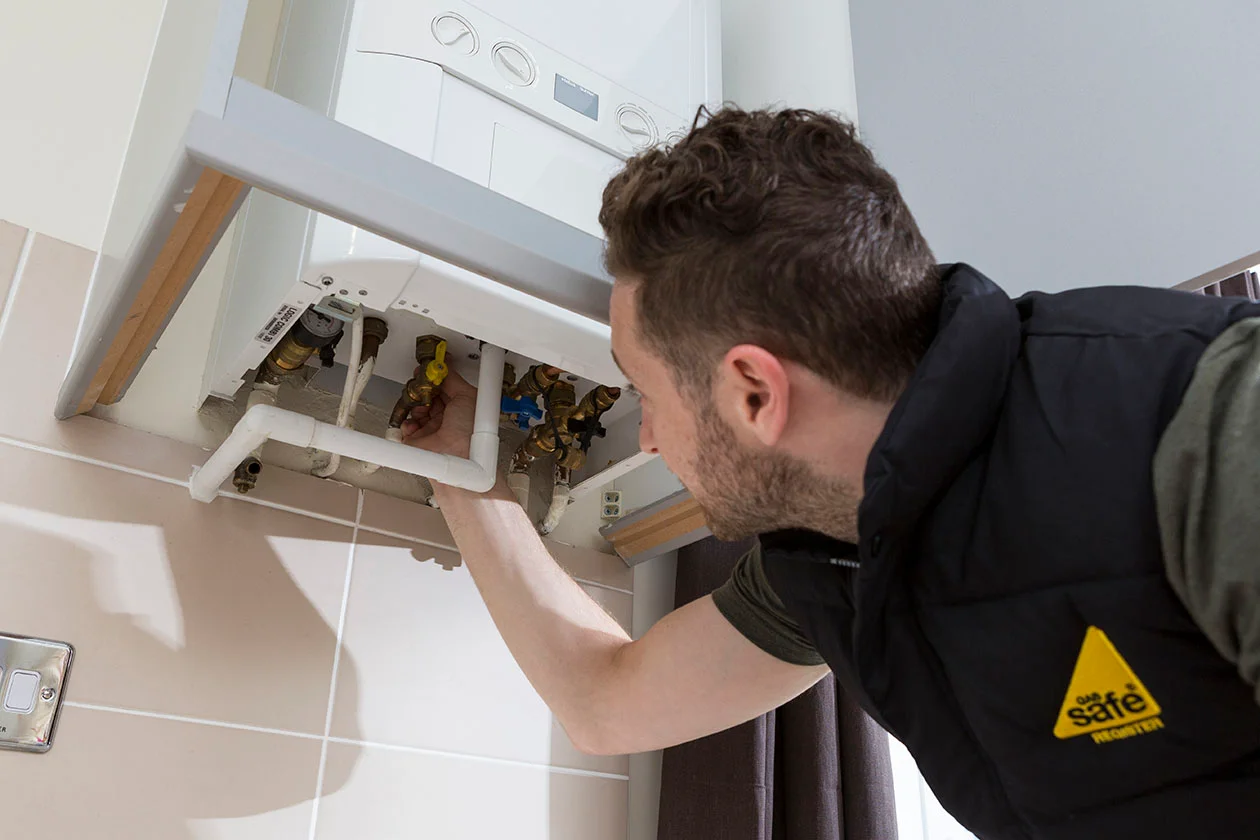
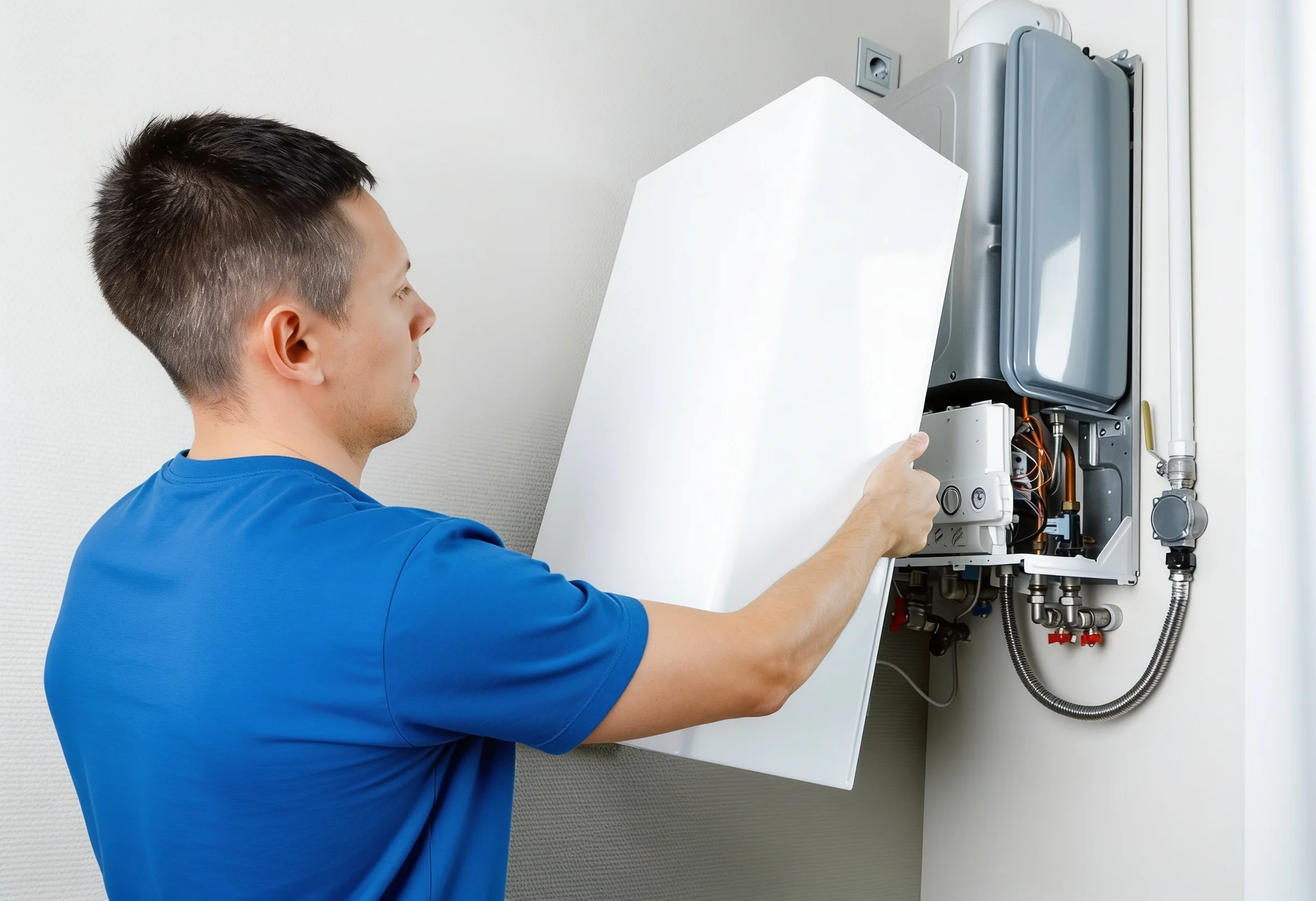
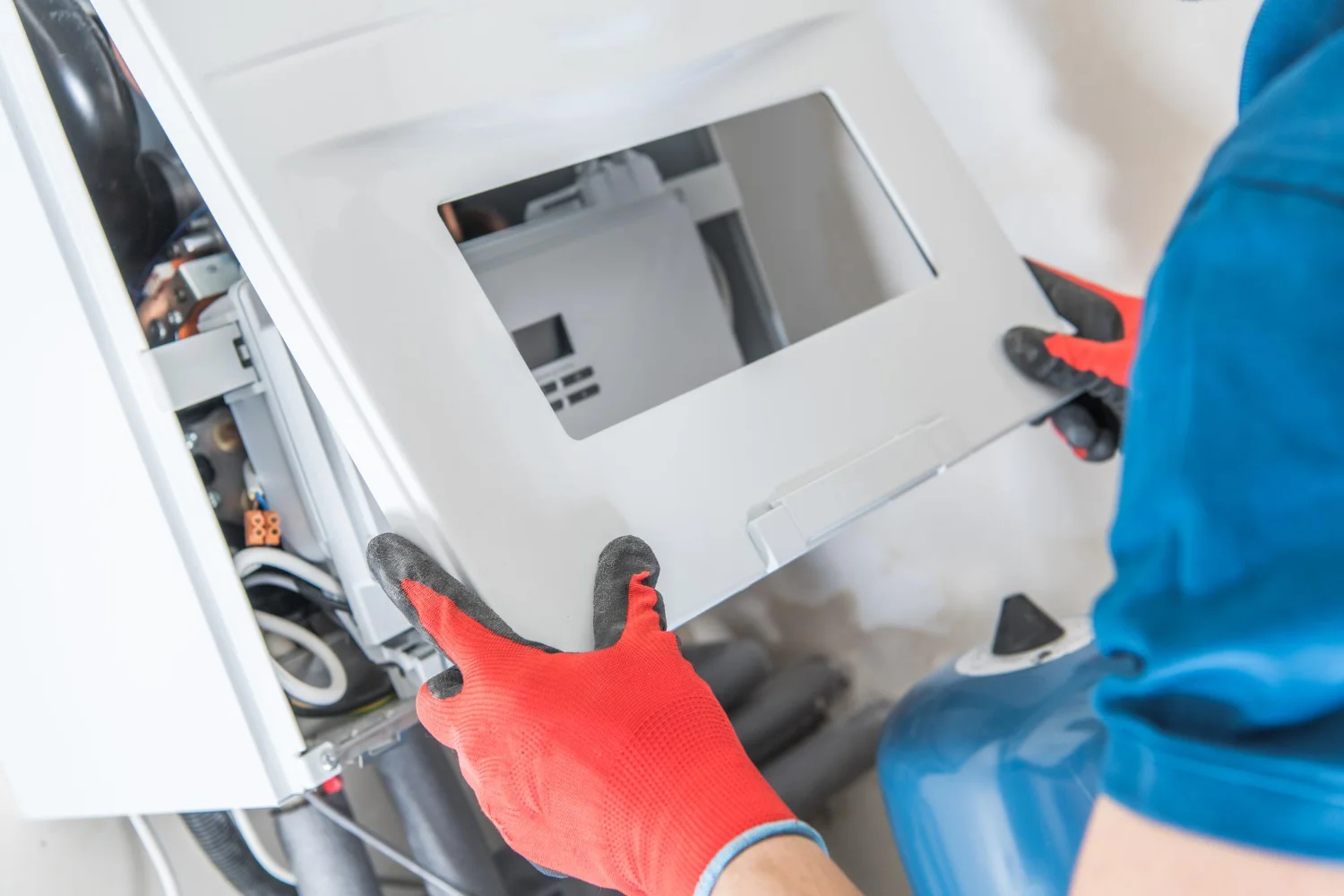
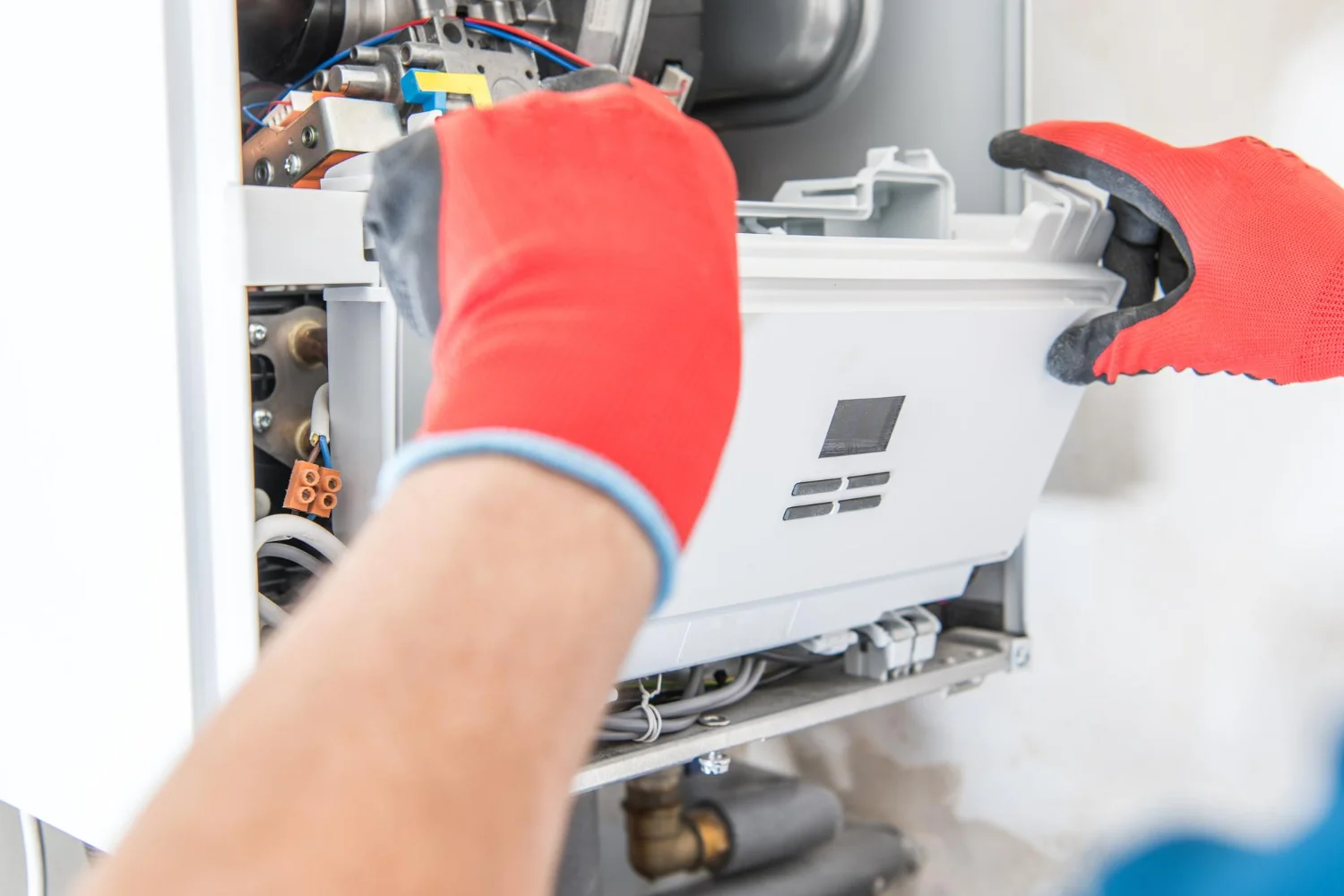
A reliable boiler keeps your home warm and comfortable, especially during the chilly months of winter. But even the best boilers can encounter problems. Fortunately, most issues can be resolved by a qualified boiler engineer. Below are some of the most common boiler faults and how they’re typically addressed.
No Heating or Hot Water
One of the most common complaints is a lack of heating or hot water. This can be very frustrating and inconvenient, especially if you’re rushing before work. This issue can have several causes:
- A faulty thermostat.
- Low pressure in the boiler.
- Problems with the motorised valve or diverter valve.
- Airlocks or blockages in the system.
An experienced engineer will diagnose the root cause and carry out repairs, such as replacing faulty parts or repressurising the system. Some solutions are quicker and cheaper than others – but you should have hot water again in no time.
Low Boiler Pressure
You may see a fault code on your boiler letting you know that there is a low pressure issue. Low pressure can prevent your boiler from operating efficiently. This issue is often caused by:
- Leaks in the system.
- Bleeding radiators.
- Faulty pressure relief valves.
The first step is to check the entire system for leaks or damaged components. Once any issues causing a loss of pressure are resolved, then your engineer will ensure the system is properly pressurised again. T
Boiler Leaks
Leaks are a serious issue that can lead to water damage and reduced boiler efficiency. You may see water pooling around the boiler or damp spots on the nearby wall. Additionally, unusual noises such as hissing or gurgling may suggest internal leaks or trapped air, which necessitates prompt inspection.
Common causes include:
- Corroded or damaged seals.
- Faulty heat exchangers.
- Loose joints or connections.
It’s essential to locate the source of the leak, and replace any damaged parts or weak joints. After a final check to ensure the system is safe to use, the boiler will be ready to use again. Occasionally, leaks are a sign that an ageing boiler needs replacing. Your engineer will discuss this with you and provide a quote for a new boiler before progressing further.
Strange Noises
Boilers can produce various noises without there being an underlying issue, but unusual sounds like alarming banging, whistling or gurgling might indicate problems that require further investigation. Possible causes include:
- Air trapped in the system.
- Limescale build-up in the heat exchanger (commonly known as “kettling”).
- Loose or worn-out components.
A power flush of the system will remove limescale and sludge and stop these issues, or faulty parts could be replaced to restore quiet operation.
Pilot Light Out
Older boilers with pilot lights may encounter issues where the light keeps going out. This can result from:
- A broken thermocouple.
- A draught blowing out the flame.
- A build-up of debris.
A gas engineer will clean the pilot light assembly, replace the thermocouple if necessary, and check for other potential issues.
Radiators Not Heating Up
If your radiators remain cold or only partially heat up, the problem might lie within your boiler or the central heating system. The issue could be due to:
- Air trapped in the radiators.
- Sludge build-up restricting water flow.
- Balancing issues within the system.
Power-flushing the system to remove sludge, or balance the system to ensure even heat distribution.
Which fuel powers your boiler?
It just takes 2 minutes
And then you can book a free consultation
Inconsistent Room Temperature
A malfunctioning thermostat can lead to inconsistent temperatures or prevent your boiler from switching on. If you find that rooms are hotter or colder than they should be, the issue might be due to:
- Incorrect settings.
- Dead batteries (for wireless models).
- Faulty wiring or sensors.
The thermostat might require a recalibration or replacement to restore proper control over your heating system.
Frozen Condensate Pipe
In winter, the condensate pipe can freeze, causing the boiler to shut down. Signs include error codes or gurgling noises. A gas engineer will safely thaw the pipe and may insulate it to prevent future freezing.
Boiler Switching On and Off
Short cycling (when a boiler repeatedly turns on and off) can waste energy and reduce the system’s lifespan. Causes include:
- A faulty thermostat.
- Overheating due to limescale build-up.
- Incorrect boiler sizing for your property.
Boiler Error Codes on the Display
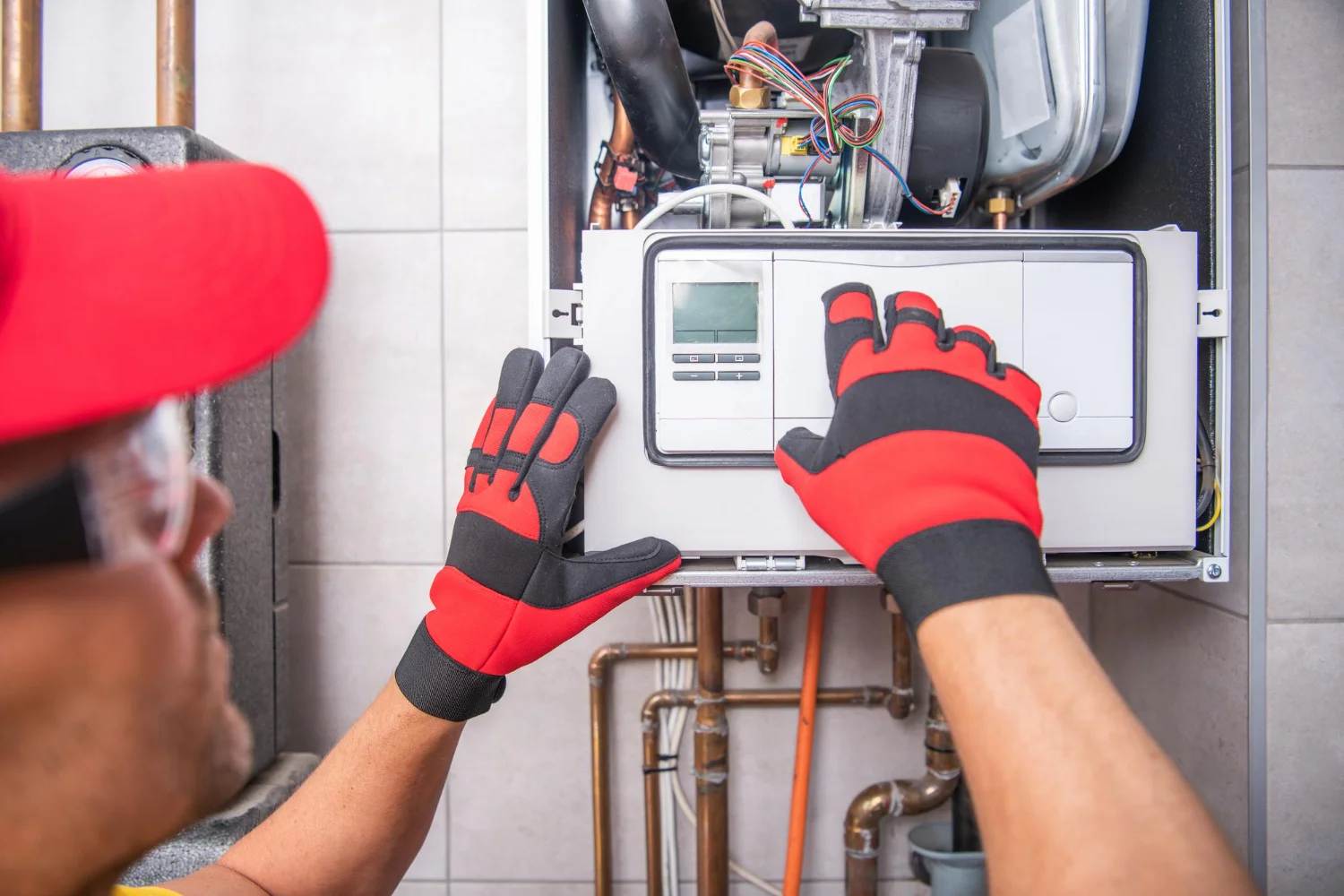
Modern boilers often display error codes when something goes wrong. The manual will inform you what the codes mean, but rectifying the fault might not be straightforward. These error codes help identify issues, such as:
- Ignition problems.
- Fan faults.
- Sensor failures.
- Low water pressure
A gas engineer will interpret the error code, troubleshoot the problem, and repair or replace the affected components. Some error codes are more serious than others.
When to Call a Boiler Engineer
While some minor boiler issues can be resolved by homeowners, such as checking the thermostat settings or bleeding individual radiators, most faults require the expertise of a qualified gas engineer. Attempting to fix complex problems yourself can be dangerous and may void your boiler’s warranty.
Boiler faults are an inevitable part of homeownership, but with the help of a skilled gas engineer, most issues can be quickly and efficiently resolved. If you notice any of the common problems mentioned above, don’t hesitate to seek professional assistance from the team here at The Ashford Boiler Company. Regular maintenance and prompt repairs will keep your boiler running smoothly, ensuring your home stays warm and safe throughout the year.
Related articles
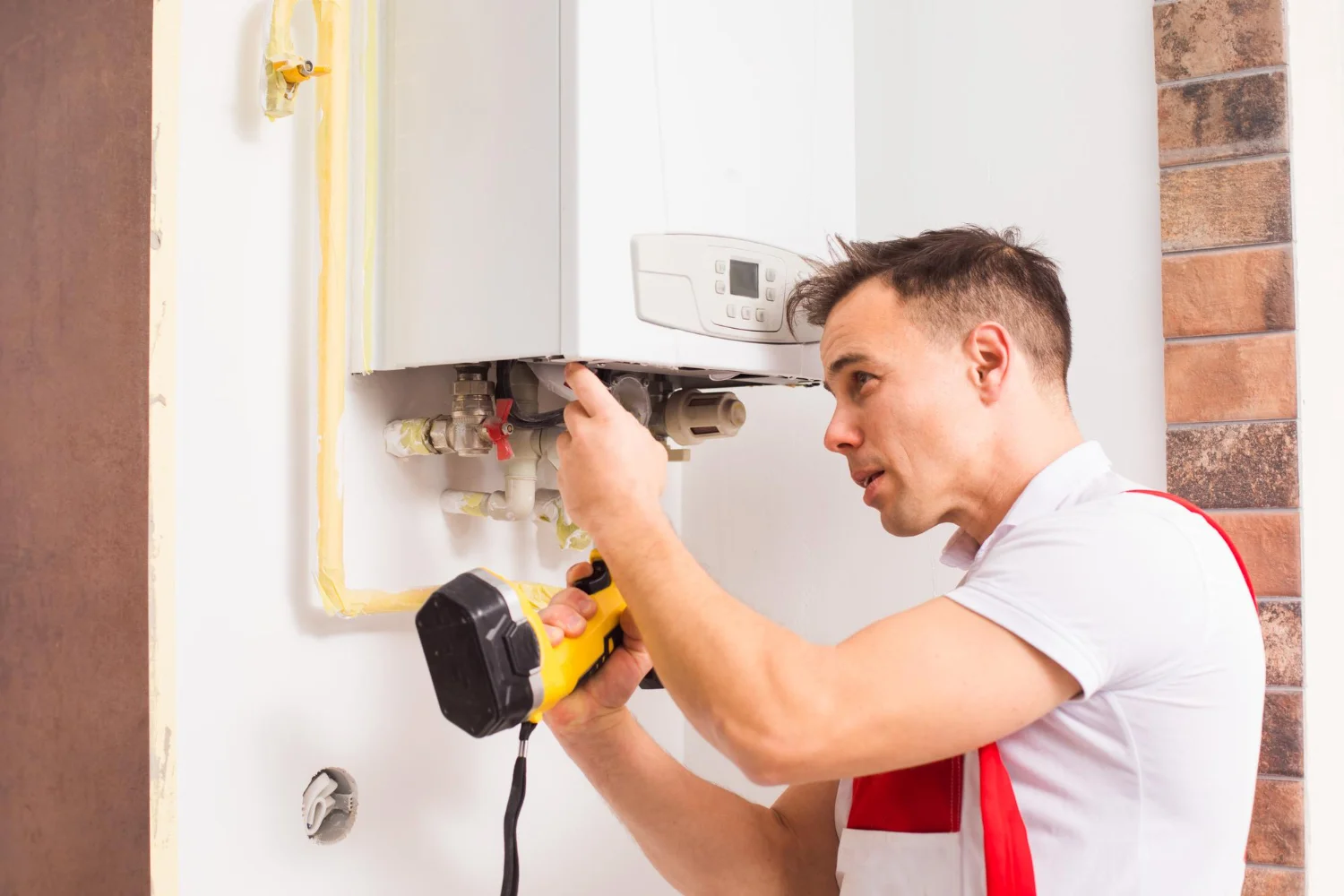
Which fuel powers your boiler?
Quick Overview of Common Boiler Faults & Fixes
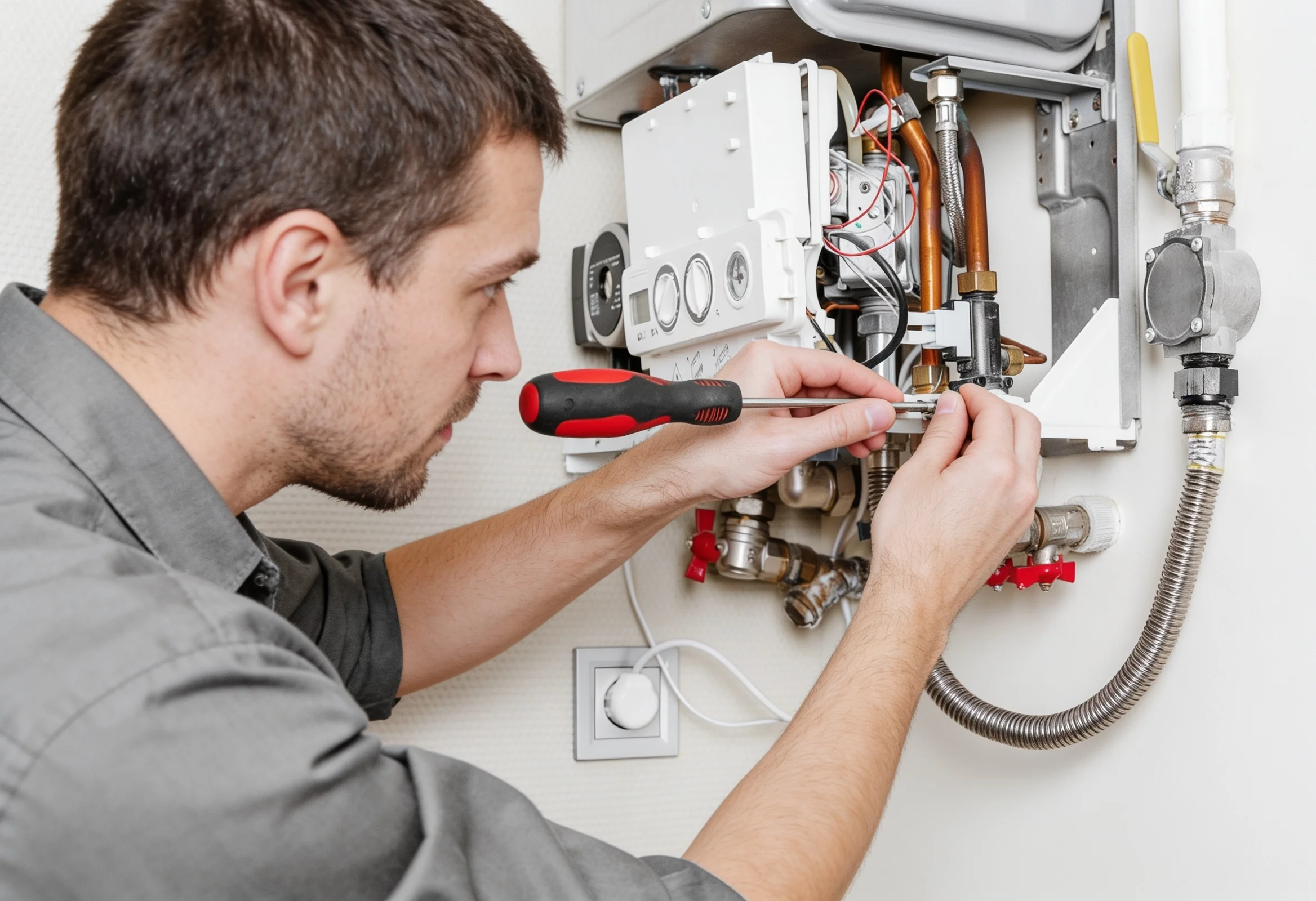
A reliable boiler keeps your home warm and comfortable, especially during the chilly months of winter. But even the best boilers can encounter problems. Fortunately, most issues can be resolved by a qualified boiler engineer. Below are some of the most common boiler faults and how they’re typically addressed.
No Heating or Hot Water
One of the most common complaints is a lack of heating or hot water. This can be very frustrating and inconvenient, especially if you’re rushing before work. This issue can have several causes:
- A faulty thermostat.
- Low pressure in the boiler.
- Problems with the motorised valve or diverter valve.
- Airlocks or blockages in the system.
An experienced engineer will diagnose the root cause and carry out repairs, such as replacing faulty parts or repressurising the system. Some solutions are quicker and cheaper than others – but you should have hot water again in no time.
Low Boiler Pressure
You may see a fault code on your boiler letting you know that there is a low pressure issue. Low pressure can prevent your boiler from operating efficiently. This issue is often caused by:
- Leaks in the system.
- Bleeding radiators.
- Faulty pressure relief valves.
The first step is to check the entire system for leaks or damaged components. Once any issues causing a loss of pressure are resolved, then your engineer will ensure the system is properly pressurised again. T
Boiler Leaks
Leaks are a serious issue that can lead to water damage and reduced boiler efficiency. You may see water pooling around the boiler or damp spots on the nearby wall. Additionally, unusual noises such as hissing or gurgling may suggest internal leaks or trapped air, which necessitates prompt inspection.
Common causes include:
- Corroded or damaged seals.
- Faulty heat exchangers.
- Loose joints or connections.
It’s essential to locate the source of the leak, and replace any damaged parts or weak joints. After a final check to ensure the system is safe to use, the boiler will be ready to use again. Occasionally, leaks are a sign that an ageing boiler needs replacing. Your engineer will discuss this with you and provide a quote for a new boiler before progressing further.
Strange Noises
Boilers can produce various noises without there being an underlying issue, but unusual sounds like alarming banging, whistling or gurgling might indicate problems that require further investigation. Possible causes include:
- Air trapped in the system.
- Limescale build-up in the heat exchanger (commonly known as “kettling”).
- Loose or worn-out components.
A power flush of the system will remove limescale and sludge and stop these issues, or faulty parts could be replaced to restore quiet operation.
Pilot Light Out
Older boilers with pilot lights may encounter issues where the light keeps going out. This can result from:
- A broken thermocouple.
- A draught blowing out the flame.
- A build-up of debris.
A gas engineer will clean the pilot light assembly, replace the thermocouple if necessary, and check for other potential issues.
Radiators Not Heating Up
If your radiators remain cold or only partially heat up, the problem might lie within your boiler or the central heating system. The issue could be due to:
- Air trapped in the radiators.
- Sludge build-up restricting water flow.
- Balancing issues within the system.
Power-flushing the system to remove sludge, or balance the system to ensure even heat distribution.
Which fuel powers your boiler?
It just takes 2 minutes
And then you can book a free consultation
Inconsistent Room Temperature
A malfunctioning thermostat can lead to inconsistent temperatures or prevent your boiler from switching on. If you find that rooms are hotter or colder than they should be, the issue might be due to:
- Incorrect settings.
- Dead batteries (for wireless models).
- Faulty wiring or sensors.
The thermostat might require a recalibration or replacement to restore proper control over your heating system.
Frozen Condensate Pipe
In winter, the condensate pipe can freeze, causing the boiler to shut down. Signs include error codes or gurgling noises. A gas engineer will safely thaw the pipe and may insulate it to prevent future freezing.
Boiler Switching On and Off
Short cycling (when a boiler repeatedly turns on and off) can waste energy and reduce the system’s lifespan. Causes include:
- A faulty thermostat.
- Overheating due to limescale build-up.
- Incorrect boiler sizing for your property.
Boiler Error Codes on the Display
Modern boilers often display error codes when something goes wrong. The manual will inform you what the codes mean, but rectifying the fault might not be straightforward. These error codes help identify issues, such as:
- Ignition problems.
- Fan faults.
- Sensor failures.
- Low water pressure
A gas engineer will interpret the error code, troubleshoot the problem, and repair or replace the affected components. Some error codes are more serious than others.
When to Call a Boiler Engineer
While some minor boiler issues can be resolved by homeowners, such as checking the thermostat settings or bleeding individual radiators, most faults require the expertise of a qualified gas engineer. Attempting to fix complex problems yourself can be dangerous and may void your boiler’s warranty.
Boiler faults are an inevitable part of homeownership, but with the help of a skilled gas engineer, most issues can be quickly and efficiently resolved. If you notice any of the common problems mentioned above, don’t hesitate to seek professional assistance from the team here at The Ashford Boiler Company. Regular maintenance and prompt repairs will keep your boiler running smoothly, ensuring your home stays warm and safe throughout the year.